Choose a knife that fits your hand, tasks, steel, budget, and care.
If you cook even a few nights a week, the right blade will change your life. In this guide on How to Choose the Right Kitchen Knife, I’ll show you what matters, what does not, and how to match a knife to your grip, your food, and your maintenance style. I’ve tested and sharpened hundreds of knives for home cooks and pros. Let me help you buy with confidence, not guesswork.

What Makes a Good Kitchen Knife
To learn How to Choose the Right Kitchen Knife, start with three pillars: safety, performance, and upkeep. A safe knife locks in your hand and tracks straight. A high performer cuts clean, fast, and with less force. Good upkeep means it sharpens well and resists damage.
Key traits to look for:
- Edge holds long but is easy to bring back on a stone.
- Blade does not wedge or twist in food.
- Handle suits your hand; no hot spots or pain points.
- Balance supports a pinch grip near the bolster or heel.
My rule from years on the line: the best knife feels like an old friend within five minutes. If you fight it, it is the wrong tool.
Knife Types You Actually Need
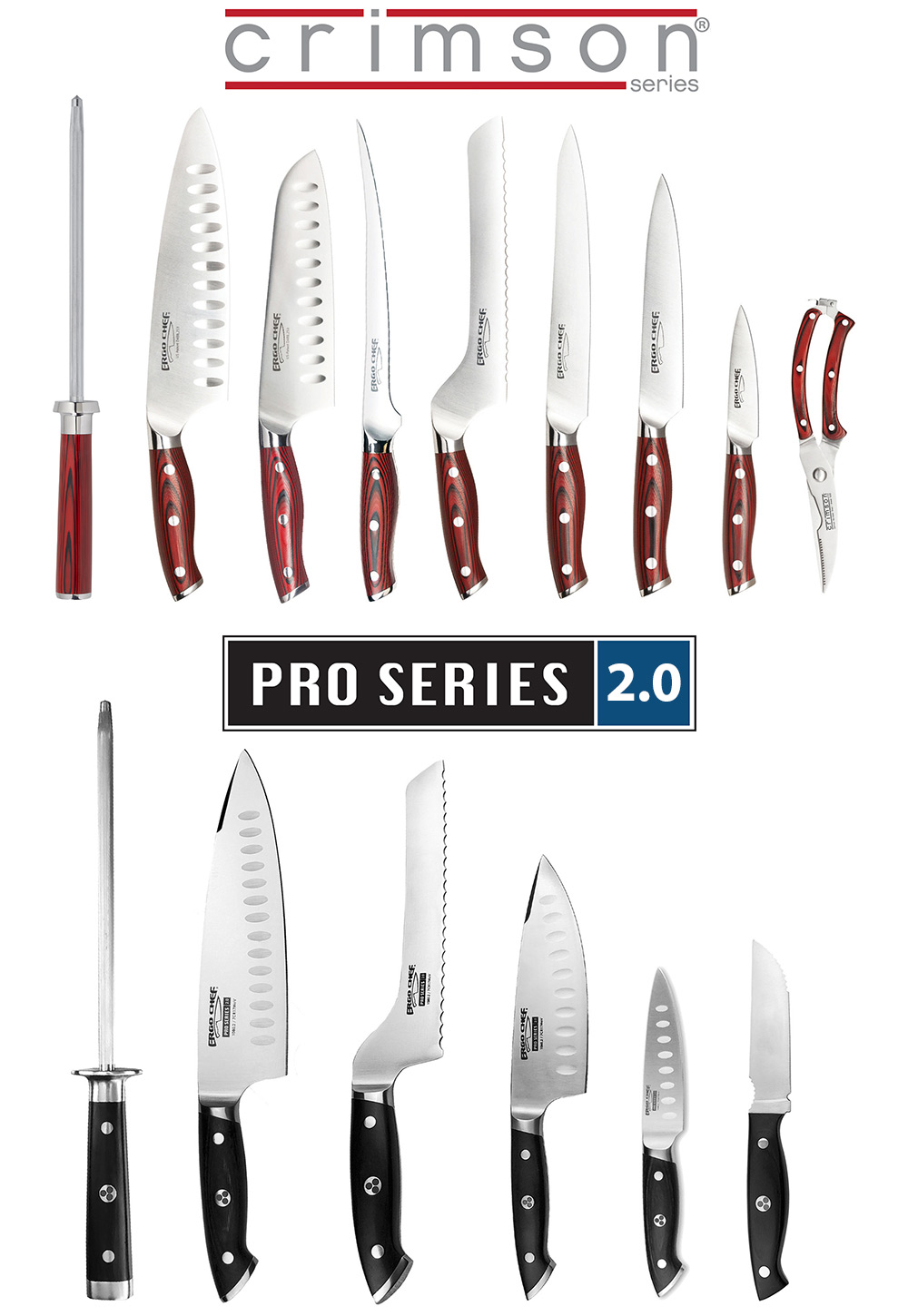
How to Choose the Right Kitchen Knife starts with picking the right types, not a big block set. You can do 90% of tasks with one main knife and one helper.
Core picks:
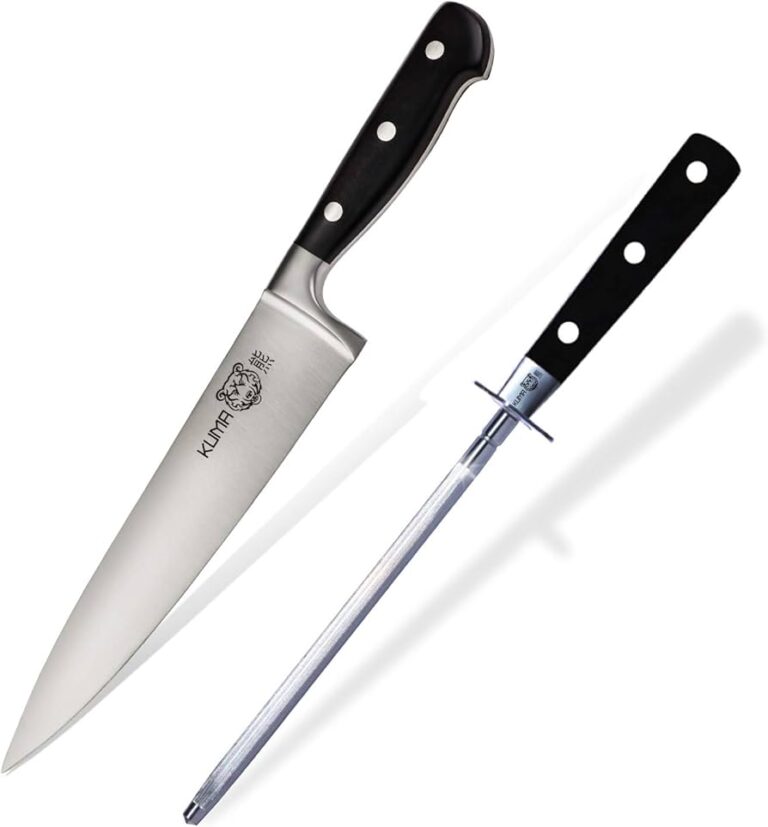
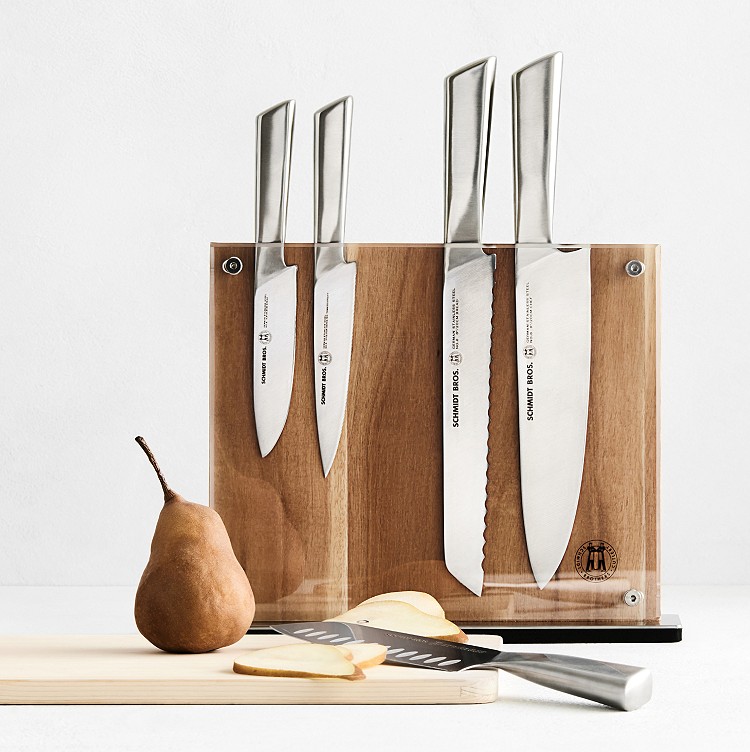
- Chef’s knife or gyuto for most slicing, dicing, and chopping.
- Paring knife for in-hand work like peeling or trimming.
- Bread or serrated knife for crusty loaves and soft cakes.
Optional add-ons:
- Santoku for a shorter, flatter profile and tight boards.
- Boning or fillet knife for meat and fish.
- Nakiri for fast vegetable prep with straight cuts.
Start with one great chef’s knife. Add others only if your cooking needs demand it.

Steel, Hardness, and Edge Retention
Metals shape how to Choose the Right Kitchen Knife for your care routine. Steel choice affects edge life, chip risk, and how fast you can sharpen.
Common options:
- German-style stainless like X50CrMoV15. Tough, easy to sharpen, less edge life. Typical 56–58 HRC.
- Japanese stainless like VG-10, AUS-10. Better edge retention, moderate toughness. Around 59–61 HRC.
- Powder steels like SG2/R2 or SRS-15. Long edge life, can be brittle, sharper peak. Often 62–64 HRC.
- High carbon (non-stainless) like White or Blue paper steel. Takes a keen edge fast, can patina or rust.
Trade-off rule: harder steel holds longer but may chip if abused. Softer steel is forgiving but needs more honing. Match steel to your habits.
Blade Shapes, Grinds, and Edge Angles
Geometry decides how to Choose the Right Kitchen Knife for your cutting style. The way a blade meets food defines feel and speed.
Shapes and grinds:
- German profile with more curve for rocking cuts.
- Japanese gyuto with a flatter midsection for push and pull cuts.
- Flat grind or convex grind for food release and less wedging.
- Micro-bevels can add durability at the very edge.
Typical angles:
- 12–15 degrees per side for many Japanese knives.
- 18–22 degrees per side for many German knives.
If you mainly rock, pick a curved belly. If you push-cut, choose a flatter profile. Look for thin behind the edge for easy, clean cuts.
Handle, Balance, and Ergonomics
Ergonomics drive How to Choose the Right Kitchen Knife for comfort and control. A knife should vanish in your hand, not demand effort.
What to test in hand:
- Pinch grip at the blade and handle juncture. No sharp edges or thumb pain.
- Balance near the pinch point. Tip should not dive or drag.
- Handle shape. Western (contoured) or Japanese wa (octagonal, D, or oval). Both can be great.
From my workbench: hot spots show up fast when you chop carrots for five minutes. If you feel pressure at the pinky or thumb web, try another handle.

Size, Weight, and Profile Matching
Fit is key in How to Choose the Right Kitchen Knife for your space and board. Pick size and weight that match your tasks.
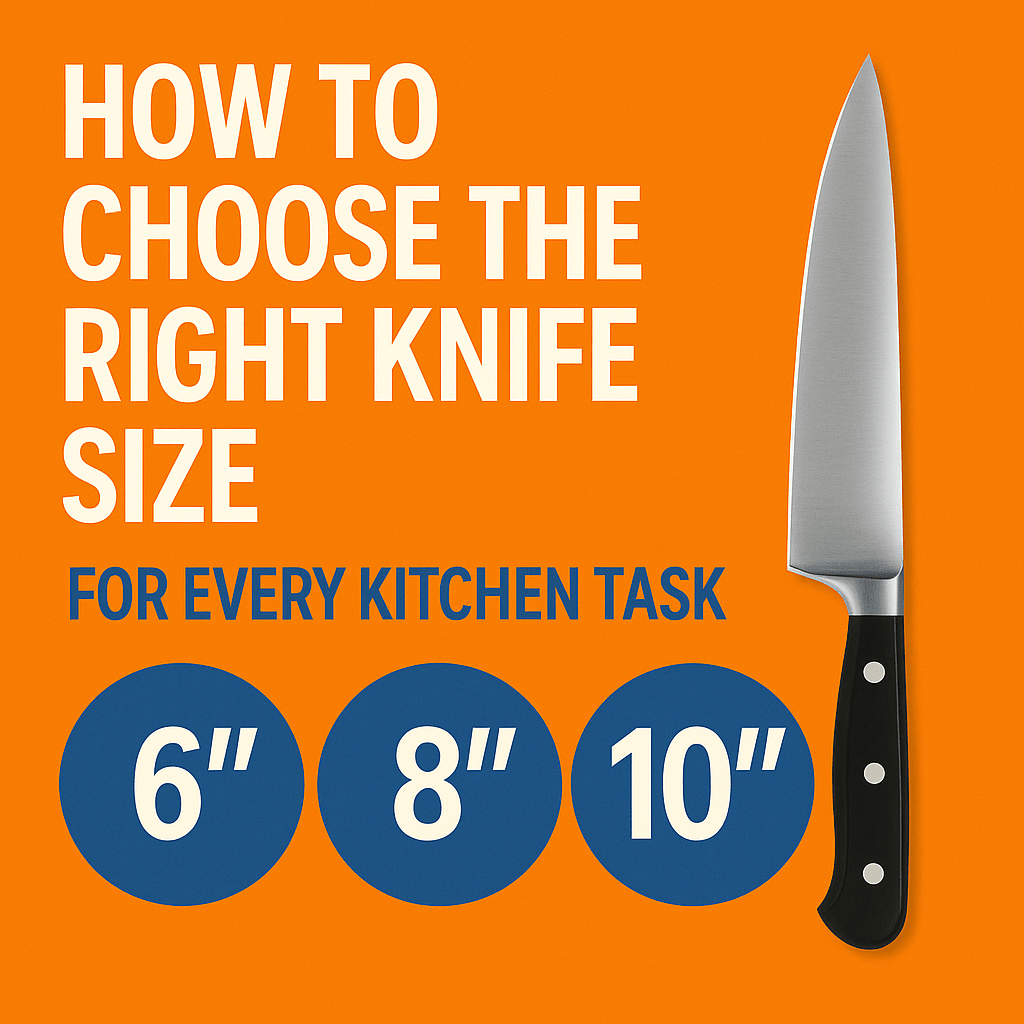
- 8-inch chef’s knife suits most home cooks and boards.
- 210 mm gyuto is the same class; 240 mm gives reach for big prep.
- Lighter knives move fast and feel nimble.
- Heavier knives add momentum and can split dense foods.
For small hands or short boards, a 7-inch or santoku can shine. Always check clearance for your knuckles on your board.

Western vs Japanese Knives: Which Suits You
This choice colors How to Choose the Right Kitchen Knife for your habits. Both styles can be great. It comes down to edge style, steel, and care.
Western style:
- Softer steel, more curve, thicker spines, full bolsters are common.
- Tough and forgiving. Great if you want low-fuss tools.
Japanese style:
- Harder steel, thinner grinds, flatter profiles, often no full bolster.
- Very sharp and precise. Needs kinder boards and gentler technique.
If you love a razor edge and light feel, go Japanese. If you want durable and easy care, go Western.
Budget Tiers and Smart Buying Strategy
Money choices shape How to Choose the Right Kitchen Knife without regret. Spend where it matters, not on blocks and extras.
Tiered plan:
- Under $50: entry stainless. Works, but expect more honing. Learn your grip and care.
- $50–$150: solid German-style stainless or basic Japanese stainless. Great value for most cooks.
- $150–$300: better heat treats and grinds. Noticeable jump in glide and food release.
- $300+: premium steels and artisan grinds. Diminishing returns but joy to use.
Buy one good main knife first. Add a $15–$25 honing rod and a mid-grit stone before buying a second fancy blade.

Try-Before-You-Buy: Simple In-Store Tests
Hands-on checks make How to Choose the Right Kitchen Knife clear and quick. You can learn a lot in five minutes.
Do these:
- Pinch grip and close your eyes. Raise and lower the knife. Feel for balance and twist.
- Paper test. It should slice printer paper without snag.
- Tomato test if allowed. A light push should break skin cleanly.
- Rock on the heel and push-cut mid-blade on a board. No chatter or steering.
If the shop will not allow tests, ask about returns. At home, test on carrots, onions, and tomatoes. Those three reveal a lot.
Care, Sharpening, and Maintenance Basics
Maintenance choices define How to Choose the Right Kitchen Knife for a long life. A sharp knife is safer and more fun.
Core habits:
- Use soft boards like end-grain wood or soft plastic. Never glass or stone.
- Hand wash. Dry at once. Do not soak. No dishwashers.
- Hone lightly every few sessions to realign the edge.
- Sharpen on whetstones. A 1000/3000 or 1000/6000 combo covers most needs.
From my bench notes: a quick 5-minute touch-up on a mid-grit stone beats waiting months for a pro. Little and often wins.
Safety, Storage, and Longevity
Safe storage helps in How to Choose the Right Kitchen Knife and keeps edges true. The edge you protect is the edge you keep.
Smart steps:
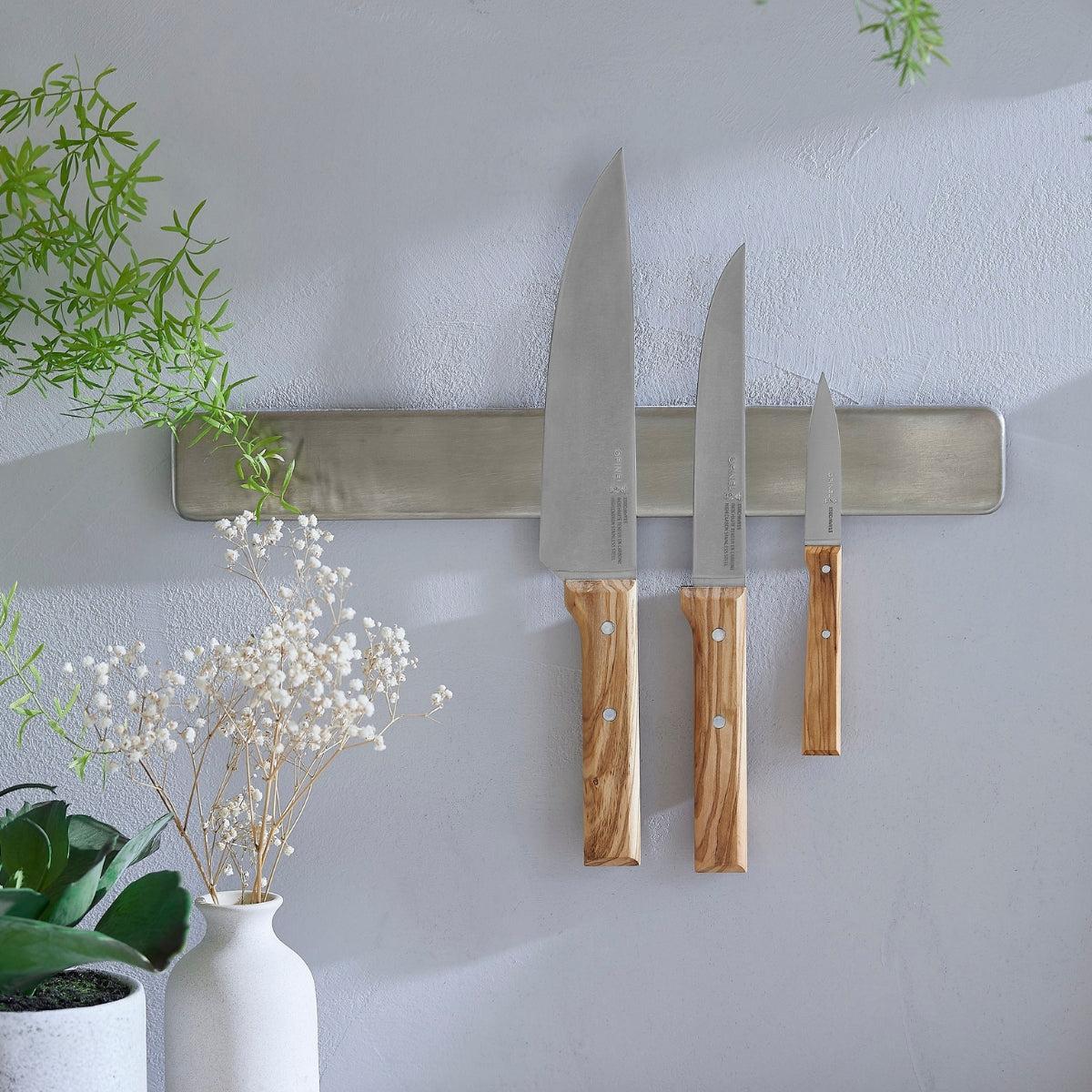
- Store in a wood block, in-drawer sheath, or on a gentle magnetic strip.
- Use a guard when traveling or sharing a drawer.
- Keep fingers safe with a claw grip and a steady board.
Never scrape the board with the edge. Use the spine. That simple habit saves sharpness.
Common Mistakes to Avoid
Avoid these traps to master How to Choose the Right Kitchen Knife without cost or pain.
Frequent missteps:
- Buying a big set. Most pieces sit unused.
- Choosing by looks only. Patterned steel does not slice onions better.
- Ignoring board quality. Hard boards kill edges fast.
- Skipping sharpening. Honing is not sharpening.
- Using the wrong tool. Do not pry bones with a thin gyuto.
I have chipped a hard blade on a glass board once. Once was enough.
A Quick Decision Framework and Checklist
Use this map to nail How to Choose the Right Kitchen Knife on your next buy. It turns a wall of steel into a clear choice.
Pick your path:
- Cooking style: rocker or push-cutter.
- Size and weight: 8-inch or 210 mm to start.
- Steel and care: tough stainless for low-fuss, harder steel for sharper edge.
- Handle: Western or wa, no hot spots.
- Budget: invest in one main knife and a stone.
Rapid checklist:
- Cuts straight with no steering
- Slices paper and tomato with ease
- Feels balanced in a pinch grip
- Clears knuckles on your board
- You want to cook more when you hold it
If a knife checks these boxes, it is the right one for you.
Frequently Asked Questions
What size chef’s knife should I buy?
An 8-inch chef’s knife fits most hands and boards. If you prep large batches or big produce, try a 240 mm gyuto.
Stainless or carbon steel, which is better?
Stainless needs less care and resists rust. Carbon takes a sharper edge faster but needs prompt drying.
How often should I sharpen my knife?
Hone lightly every few cooking sessions. Sharpen on stones when honing no longer brings back bite, often every 2–8 weeks at home.
Do I need a full tang and bolster?
A full tang can add balance and strength, but it is not required for quality. Many great Japanese knives have partial tangs and no full bolster.
What cutting board is best for my knife?
End-grain wood or soft plastic is best for edge life. Avoid glass, bamboo that is too hard, and marble.
Conclusion
Choosing a knife is about fit, feel, and care, not hype. You now know How to Choose the Right Kitchen Knife by matching blade type, steel, geometry, and handle to your style and space. Test the grip, watch the cut, and pick the knife that makes you smile.
Take action this week: try three knives, slice three foods, and trust your hand. If this guide helped, share it with a friend, subscribe for more kitchen skills, or drop a question in the comments.