Stretch dough, top lightly, and bake hot on a stone or steel.
I have tested pizza at home for years, from weeknight pies to long-fermented doughs. This guide shows How to Cook Homemade Pizza with clear steps, pro tips, and easy wins. You will learn the tools, the dough science, the bake, and smart fixes. If you want a sure path to better pizza, read on.
Why Make Pizza at Home
Homemade pizza tastes fresh, costs less, and fits your style. You pick the flour, oil, sauce, and cheese. You control salt and bake time. You also learn a skill that gets better each week.
In my kitchen, the biggest jump came from heat and patience. A hot steel and a calm hand changed my crust. You can do the same with simple gear.
How to Cook Homemade Pizza is not hard. Yet a few key steps matter a lot. We will cover each one with care.
Tools and Ingredients You Need
You can start simple and still get great results. These are my go-to items.
- Pizza steel or stone holds heat for crisp crust.
- Sheet pan or cast iron works if you do not have a stone.
- Digital scale gives you exact flour and water.
- Instant yeast or active dry yeast makes dough rise.
- Bread flour or 00 flour builds chew and spring.
- Salt adds flavor and controls yeast.
- Olive oil adds taste and tender bite.
- Crushed tomatoes or simple sauce for a bright base.
- Low-moisture mozzarella for melt and less water.
- Semolina or fine cornmeal to help with launch.
- Pizza peel or flat sheet to move dough.
- Infrared thermometer helps read stone or steel temp.
Keep water cool if your room is warm. This helps the dough proof slow and even.
Dough Fundamentals: Flour, Water, Yeast, Salt
Dough sets the tone for the whole pie. Small changes shift the result.
- Flour: Bread flour gives chew. 00 flour gives a soft, light bite. All-purpose works too.
- Hydration: 60 to 70 percent water is a sweet spot for home ovens. Wetter dough gives more open crumb.
- Yeast: Use 0.2 to 0.5 percent instant yeast by weight for slow, cold proof. Less yeast, more time, better taste.
- Salt: Use 2 to 2.5 percent by flour weight. Salt boosts flavor and tempers yeast.
- Oil: One to two percent oil adds tender bite and browning.
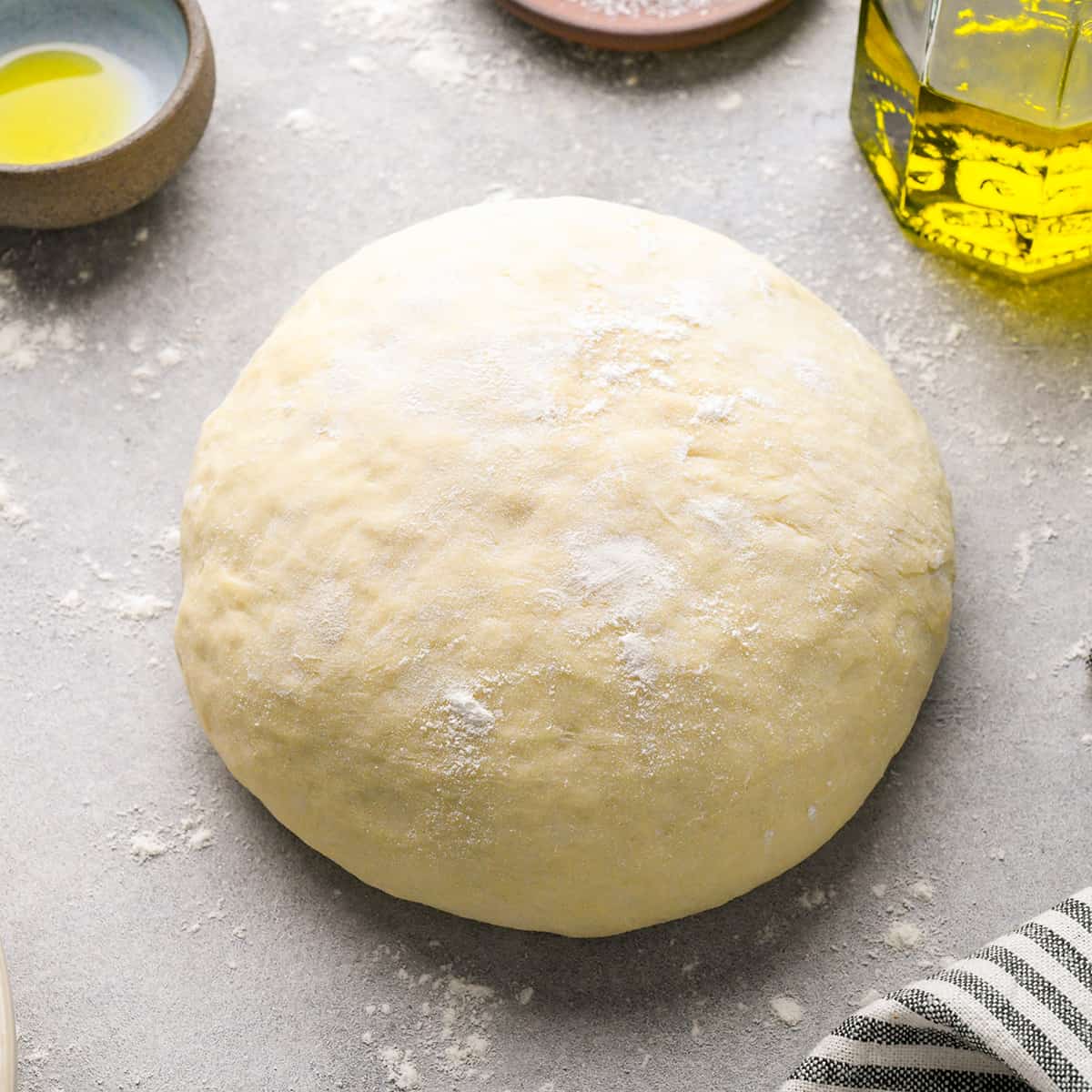
Cold proof the dough. Put it in the fridge for 24 to 72 hours. This builds flavor and makes shaping easy. Food science backs this. Enzymes break starch. Sugar builds. The crust browns more and tastes deep.
:max_bytes(150000):strip_icc()/Simply-Recipes-Homemade-Pizza-Dough-Lead-Shot-2d-ee202758ce084fc4a88917816df9fc07.jpg)
Step-by-Step: How to Cook Homemade Pizza at Home
This method is simple and repeatable. It fits most ovens.
-
Mix the dough
- 500 g bread flour
- 325 to 350 g water (65 to 70 percent)
- 10 g salt
- 2 to 5 g instant yeast
- 10 g olive oil (optional)
Mix dry. Add water and oil. Stir till shaggy. Rest 10 minutes. Knead 3 to 5 minutes or do three stretch-and-folds over 30 minutes.
-
Bulk and ball
Let it rise at room temp for 1 hour. Divide into two 300 to 350 g balls. Lightly oil containers. Add balls. -
Cold proof
Chill 24 to 72 hours. This is where the magic happens. Longer equals more flavor. -
Preheat the oven
Place steel or stone on top rack. Heat to the max, 500 to 550°F, for at least 45 to 60 minutes. If broiler is safe to use with the door closed, use it to preheat the steel for the last 10 minutes. -
Prep sauce and cheese
Blend 1 can crushed tomatoes with 1 teaspoon salt and a pinch of sugar. No need to cook. Pat dry mozzarella slices. Grate if using a block. -
Shape
Flour the counter and your hands. Press dough from center out. Leave a thicker rim. Do not press the edge. Lift and stretch over knuckles. Aim for 11 to 12 inches. -
Top light
Dust peel with semolina. Move the skin onto the peel. Add 2 to 3 tablespoons sauce. Add cheese to cover but not smother. Add few toppings. Less is more. -
Bake
Launch onto steel or stone. Bake 5 to 8 minutes. Turn once for even color. For extra char, switch to broil for the last 60 to 90 seconds if safe. -
Finish and rest
Move to a rack. Brush the rim with a drop of olive oil. Add basil or chili flakes. Rest 2 minutes. Slice.
This is How to Cook Homemade Pizza with a strong base. Keep notes on time, temp, and feel. The next pie will be even better.

Sauce, Cheese, and Toppings Strategy
Great pizza is balance. Acid, fat, salt, and heat all play a role.
- Sauce: Uncooked crushed tomatoes keep a bright flavor. Add a little salt. Taste and adjust.
- Cheese: Low-moisture mozzarella melts clean. Fresh mozzarella is great too. Dry it with a towel first.
- Salt and oil: Season your rim with a tiny brush of oil. It browns well.
- Toppings: Use less than you think. Wet veg should be sliced thin and patted dry. Pre-cook sausage or mushrooms to drive off water.
I test new combos one at a time. A good start is cheese only. Then add one topping next time. You will learn how each item changes bake time and water.
Baking Methods: Steel, Stone, Pan, and Grill
Home ovens vary. You can still nail the bake.
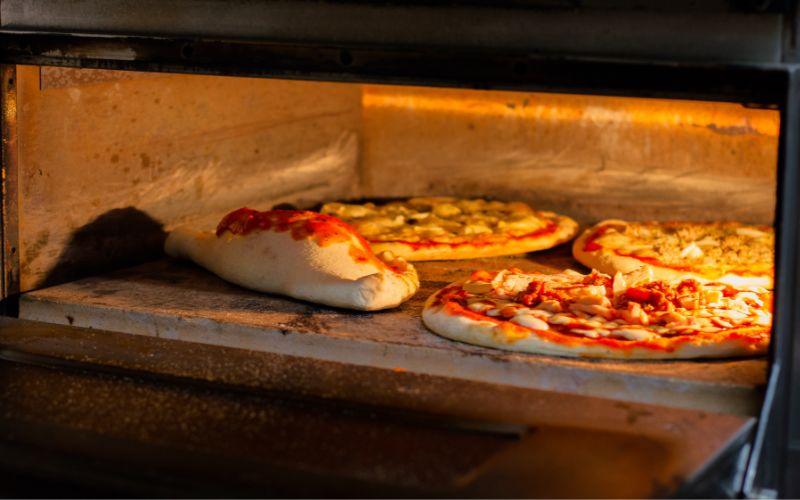
- Pizza steel: Fast heat transfer. Best crisp. Great for New York style. My top pick.
- Baking stone: Works well. Needs more preheat. Watch for thermal shock.
- Cast iron or sheet pan: Good for pan pizza. Oil the pan for a fried edge.
- Grill: Runs hot. Preheat with stone. Close the lid. Mind flare-ups.
- Air fryer: Works for small pies. Keep the dough thin and toppings light.
No matter the method, hot surface plus short bake equals better spring. This is a core rule in How to Cook Homemade Pizza.

Time and Temperature Guide
You want fast browning and full melt. These ranges work at home.
- Steel at 550°F: 5 to 7 minutes.
- Stone at 500°F: 7 to 10 minutes.
- Pan at 450°F: 12 to 18 minutes.
- Grill at high heat: 5 to 8 minutes with the lid closed.
If the top is pale and the bottom is done, move the rack higher or use broil at the end. If the top burns and the bottom is light, move the rack down. Track your setup. Small tweaks make big gains in How to Cook Homemade Pizza.
Troubleshooting and Mistakes to Avoid
I have burned, sogged, and torn many pies. Here is what I learned.
- Soggy center: Too much sauce or wet cheese. Use less. Dry the cheese.
- Pale crust: Not hot enough. Preheat longer. Use a steel if you can.
- Stuck launch: Too much time on the peel. Dust the peel and move fast.
- Tough crust: Overworked or too dry dough. Let it rest. Use higher hydration.
- Dense rim: Pressed the edge flat. Keep your fingers off the rim area.
- Burned bottom: Steel too close to broiler or too much sugar in the dough. Lower the rack.
When you ask How to Cook Homemade Pizza without stress, this list saves the day.
:max_bytes(150000):strip_icc()/guide-to-homemade-pizza-FT-MAG0322-5269d2b72b9b4d69aa3634c5d182b11b.jpg)
Styles and Variations
You can change one or two things and get a new style.
- Neapolitan-ish: 00 flour, 62 to 65 percent water, no oil, hot bake. Soft and light.
- New York: Bread flour, 65 percent water, small oil and sugar, steel at 550°F. Foldable slice.
- Detroit: 75 percent water. Pan with oil. Brick cheese if you have it. Sauce on top.
- Chicago deep dish: Pressed dough, more oil, low-moisture cheese, chunky sauce. Longer bake.
- Gluten-free: Use a 1:1 gluten-free blend with xanthan. Press into an oiled pan. Par-bake 5 minutes.
- Vegan: Try plant mozzarella and cashew cream. Roast veg first.
How to Cook Homemade Pizza covers all these with the same basics: good dough, hot deck, light toppings.
Food Safety, Storage, and Reheating
Stay safe and keep flavor.
- Do not leave cooked pizza out for more than 2 hours. Chill leftovers fast.
- Store slices in a sealed box with paper towels between layers.
- Reheat on a skillet over medium heat, lid on, 3 to 5 minutes. Or bake at 400°F for 6 to 8 minutes. Air fryer works in 3 to 4 minutes at 375°F.
Food safety guidance supports quick cooling and reheating to a hot, steaming state. Dry heat brings back the crisp.
Nutrition and Lighter Swaps
Pizza can be rich. You can make smart swaps.
- Use part-skim mozzarella and less cheese.
- Add a salad top like arugula and lemon after the bake.
- Try half whole-wheat flour at 60 to 65 percent water. Let it proof longer for a softer bite.
- Load on roasted veg and lean protein.
When people ask How to Cook Homemade Pizza that fits a plan, these tweaks help. Keep joy on the plate and balance the rest of your day.
Frequently Asked Questions of How to Cook Homemade Pizza
What oven temperature is best for homemade pizza?
Most home ovens do best between 500 and 550°F. Preheat a stone or steel for at least 45 minutes for a crisp base.
Do I need to cook the pizza sauce first?
No. A simple uncooked sauce tastes bright and fresh. Use crushed tomatoes, salt, and a touch of olive oil.
How long should I cold proof the dough?
Aim for 24 to 72 hours in the fridge. Longer cold proof gives better flavor and easier shaping.
Can I make pizza without a stone or steel?
Yes. Use a heavy sheet pan or cast iron. Preheat the pan and bake on the top rack.
Why does my pizza stick to the peel?
Too much time on the peel or damp spots cause sticking. Dust the peel and launch within 30 to 60 seconds after topping.
How do I avoid soggy pizza with fresh mozzarella?
Slice and pat it dry with paper towels. Use less and space it out so steam can escape.
What is the right flour for pizza at home?
Bread flour is a safe pick for chew and rise. 00 flour is great for soft, light pies at high heat.
Conclusion
You now know How to Cook Homemade Pizza with skill and calm. Start with a simple dough, a hot deck, and light toppings. Track what you do and change one thing at a time.
Make your first pie this week. Then try a long cold proof or a new bake setup. Share your results and keep learning.
If you found this guide useful, subscribe for new recipes and tips, or leave a comment with your best slice story.