Cook simple whole foods with smart heat, light oil, and balanced portions.
If you want real energy, clear focus, and a happier gut, the kitchen is your best tool. I’ve spent years teaching home cooks How to Cook Food for a Healthy Lifestyle, from busy parents to athletes. Here you’ll learn the exact methods, tools, and small habits that make healthy meals fast, tasty, and easy to repeat.
What Healthy Cooking Really Means
Healthy cooking means using whole foods, smart heat, and balance. It keeps nutrients, tastes great, and fits your day. It also helps you eat the right amount without stress.
Think in three parts: quality, method, and portions. Quality means whole foods like vegetables, fruits, beans, whole grains, fish, lean meats, nuts, and seeds. Method means gentle heat, less charring, and less added sugar and salt. Portions keep you full yet light so you can move well and sleep well.
When you ask How to Cook Food for a Healthy Lifestyle, start simple. Choose fiber-rich carbs, lean protein, and healthy fats. Add color and crunch, and use herbs and acids to lift flavor.

Pantry and Kitchen Setup for Success
A good setup saves time and stress. You cook more when tools and staples are ready. Clear space also helps you focus and enjoy the process.
Core tools I use and love:
- Chef’s knife and small paring knife sharp enough to glide
- Cutting board with grip so it stays put
- 10–12 inch skillet, medium pot, sheet pan, and a small saucepan
- Instant-read thermometer for safe temps
- Steamer basket, microplane, and tongs
Stock smart staples:
- Whole grains like oats, brown rice, quinoa
- Canned beans, tomatoes, and tuna or salmon
- Spices like cumin, paprika, chili, cinnamon
- Shelf-stable acids like vinegar and lemon juice
- Extra-virgin olive oil and avocado oil for cooking
- Nuts, seeds, and nut butter for quick protein and crunch
How to Cook Food for a Healthy Lifestyle starts with what you keep on hand. If your pantry is set, good choices are easy.

Smart Shopping and Prep
Make a short list and stick to the outer aisles for fresh food. Read labels for short lists and low added sugar and sodium. Plan 2–3 meals, not seven, and repeat wins.
Meal prep that fits real life:
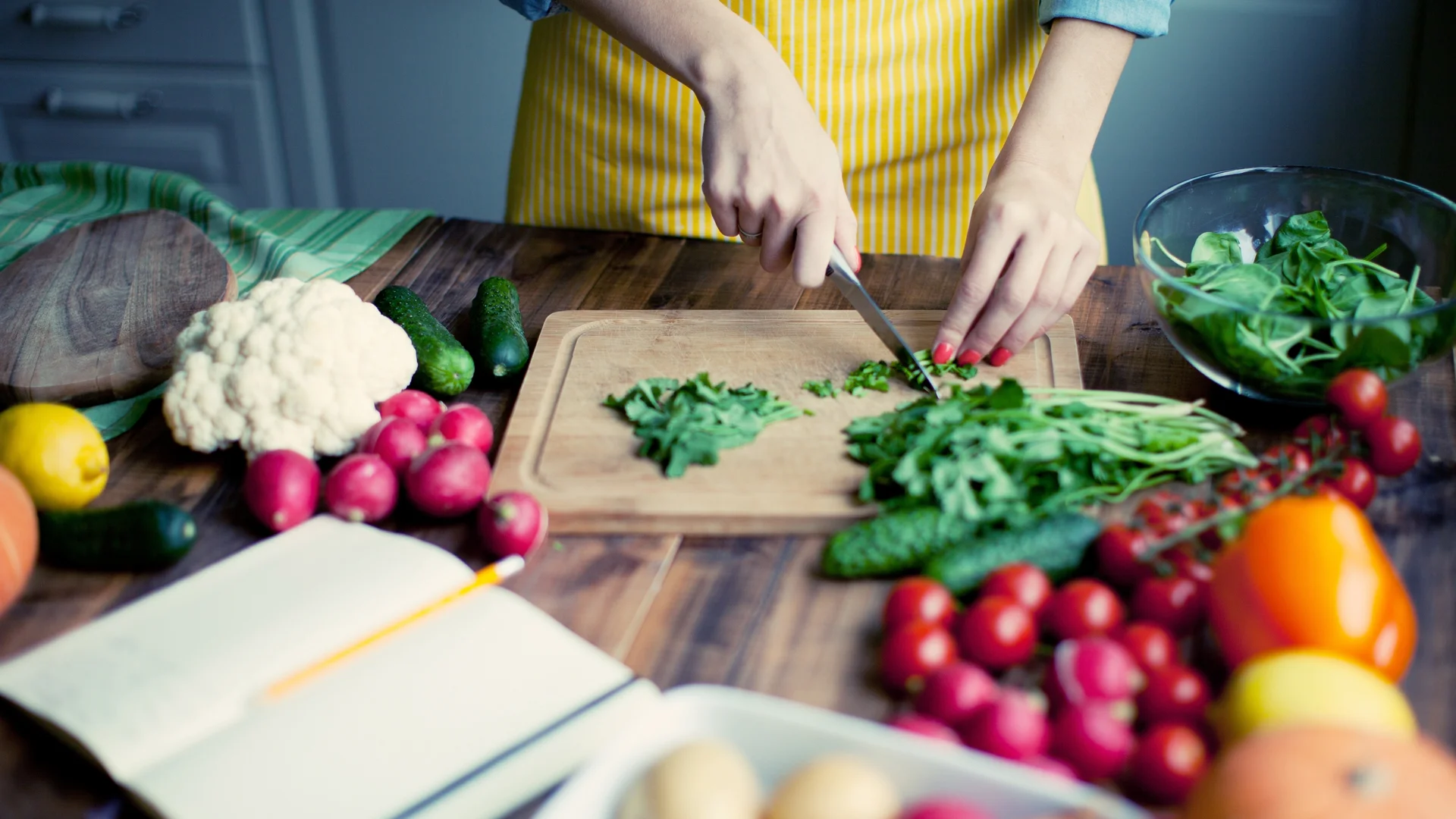
- Wash and chop veggies once. Store in clear boxes.
- Cook a base grain and a protein on Sunday.
- Make one sauce like pesto or yogurt dill.
- Pre-portion snacks like nuts and fruit.
To practice How to Cook Food for a Healthy Lifestyle, prep parts, not whole meals. This keeps food fresh and mix-and-match fun.
:max_bytes(150000):strip_icc()/10-v3-1a165c89a1b24e0895b95cbe167221ab.jpg)
Healthier Cooking Methods Explained
Choose methods that use less oil, keep moisture, and protect nutrients. Use higher heat for browning, yet avoid heavy char.
Top methods I teach:
- Steaming keeps vitamins and a bright bite in greens.
- Sautéing with a teaspoon of oil builds flavor fast.
- Roasting at 400–425°F caramelizes veggies and fish.
- Grilling adds smoke notes. Avoid deep char lines.
- Pressure cooking locks in moisture for beans and stews.
- Air frying makes crisp sides with much less oil.
Mind oil smoke points. Olive oil is great for low to medium heat. Avocado oil and canola work better for higher heat. This is a core part of How to Cook Food for a Healthy Lifestyle.

Building Balanced Plates
Use the simple plate method. Half non-starchy veggies, a quarter protein, a quarter whole grain or starchy veg. Add a thumb of healthy fat.
Fast checks I use at the table:
- Color check: three colors or more on the plate
- Fiber check: include beans, veg, fruit, or whole grains
- Protein check: palm-size portion most meals
- Flavor check: acid, herbs, or heat for pop
This is How to Cook Food for a Healthy Lifestyle without tracking every gram. The plate does the math for you.
Flavor Without Excess Salt, Sugar, or Fat
You do not need a salt shaker to get bold taste. Build layers with herbs, spices, and acids. Use umami to round out lean meals.
My go-to moves:
- Add acid: lemon, lime, or vinegar wakes up any dish
- Use fresh herbs at the end to keep aroma bright
- Toast spices in a dry pan for 30 seconds
- Add umami: tomato paste, mushrooms, miso, or soy
- Use citrus zest for a punch without extra juice
When you ask How to Cook Food for a Healthy Lifestyle, think flavor first. Big taste helps new habits stick.

Everyday Recipes and Templates
Templates save time and work with what you have. Swap parts to fit taste, budget, and season.
Try these simple frames:
- Breakfast bowl: oats or yogurt + fruit + nuts + seeds
- Power salad: leafy greens + beans or chicken + grain + vinaigrette
- Sheet pan dinner: veg mix + salmon or tofu + spice rub
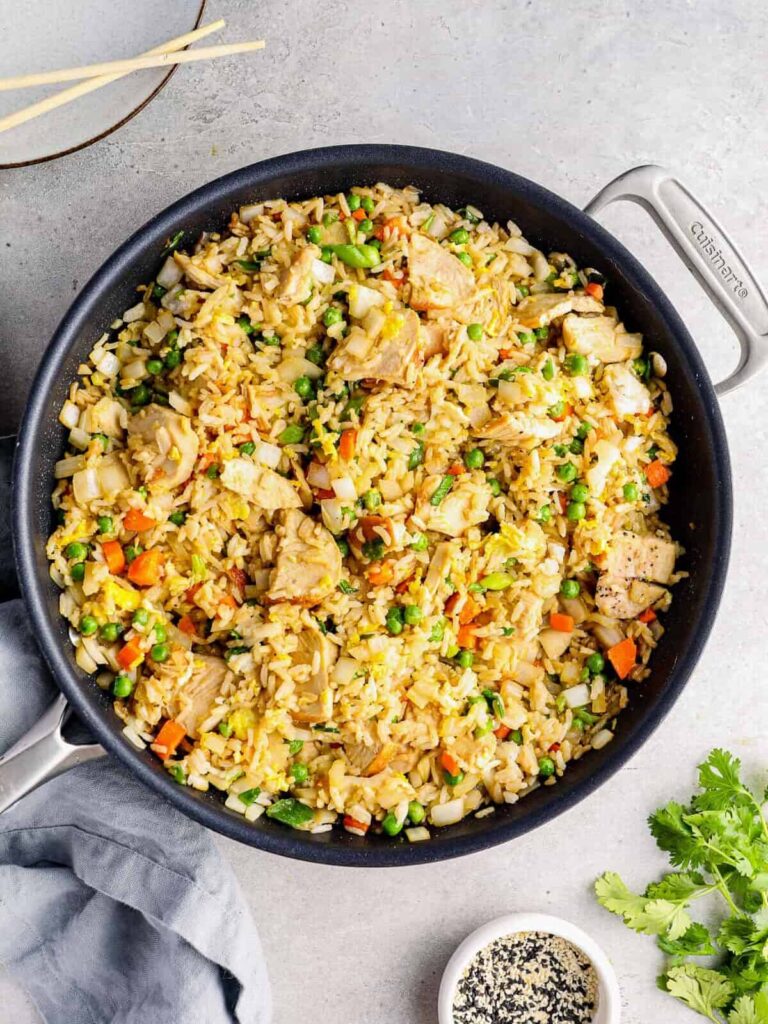
- Stir-fry: veggies + lean protein + garlic ginger sauce + rice
- Soup base: onion, carrot, celery + broth + beans or barley
These patterns show How to Cook Food for a Healthy Lifestyle on any day. You can scale up for family or meal prep.
Special Diets and Cultural Flexibility
You can eat healthy in any food culture. Use your family flavors and swap in better bases. Keep the spirit, trim the excess.
Simple swaps I’ve used with clients:
- Mediterranean: extra-virgin olive oil, nuts, fish, herbs
- Latin: beans, corn, peppers, cilantro, lime for bright plates
- Asian-inspired: tofu, edamame, mushrooms, ginger, sesame
- Gluten-free: rice, quinoa, buckwheat, corn tortillas
- Dairy-light: yogurt and kefir in place of heavy cream
How to Cook Food for a Healthy Lifestyle is not one way. It is a set of choices that travel across plates and places.
Food Safety and Healthy Cooking
Great meals must also be safe. Keep raw and cooked foods apart. Chill leftovers fast and reheat to safe temps.
Key tips I rely on:
- Wash hands and boards before and after raw meat
- Use a clean knife for ready-to-eat foods
- Cook poultry to 165°F, ground meat to 160°F, fish to 145°F
- Cool leftovers within two hours and eat within three to four days
Safety supports How to Cook Food for a Healthy Lifestyle, since one bad night can set you back.
Common Mistakes and How to Fix Them
I have made all the classic errors. I drowned veggies in oil, overcooked chicken, and forgot salt until the end. You can dodge these with a few small shifts.
Fixes that work:
- Measure oil with a teaspoon, not a pour
- Salt in layers and taste as you cook
- Pull meat off heat early; rest to finish cooking
- Roast veggies in a single layer for crisp edges
- Watch hidden sugar in sauces and dressings
These lessons shape How to Cook Food for a Healthy Lifestyle in daily life. Small tweaks lead to big wins.
Tracking Progress and Staying Motivated
Track the things that matter. How you feel after meals is a top sign. Energy, sleep, and mood tell the truth.
Keep it light:
- Pick one habit per week, like two veggies at lunch
- Log meals with photos for a fast visual check
- Celebrate small wins and move on from misses
When you practice How to Cook Food for a Healthy Lifestyle, focus on the process. Results will come.
Frequently Asked Questions of How to Cook Food for a Healthy Lifestyle
What is the fastest way to start eating healthier at home?
Pick one meal to upgrade, like breakfast. Use a simple template, such as oats, fruit, and nuts.
How much oil should I use when sautéing?
Start with one teaspoon per serving. Add a splash of water if food sticks.
Do I need special tools to cook healthy?
No. A sharp knife, one skillet, one pot, and a sheet pan are enough. Add tools as you cook more.
How can I make vegetables taste better?
Roast at high heat for caramelized edges. Finish with lemon, herbs, and a pinch of salt.
Is meal prep worth it if I’m busy?
Yes. Prep parts, not full meals, in 60 minutes a week. It saves time and reduces stress.
Conclusion
Healthy cooking is a skill you can learn today. Choose whole foods, use smart heat, season with care, and build balanced plates. Your body, mind, and schedule will thank you.
Start with one change this week. Try one new veggie, one sheet pan meal, or one homemade sauce. If this guide helped, subscribe for more tips, share it with a friend, or leave a comment on what you’ll cook next.