Proof dough, heat oil to 350°F, fry until golden, glaze while warm.
If you want bakery donuts at home, you can do it. I’ve spent years testing sweet doughs in pro kitchens and tiny apartments. This guide on How to Cook Donuts shows every step, with clear tips, safety notes, and flavor ideas that work. Read on to learn How to Cook Donuts with confidence, from mixing to that first warm bite.

What You Need: Ingredients and Tools
Before you learn How to Cook Donuts, set up your space. Keep tools ready. Measure first. Work clean and calm.
Key ingredients for yeast donuts:
- All-purpose flour for structure and chew
- Milk, eggs, butter, and sugar for a soft crumb
- Instant or active dry yeast for lift
- Salt for balance
- Neutral oil for frying
Key ingredients for cake donuts:
- Cake flour or all-purpose flour
- Baking powder and baking soda
- Sugar, eggs, buttermilk, and butter
- Warm spices like nutmeg or cinnamon
Helpful tools:
- Digital scale for accurate dough
- Stand mixer with dough hook or a sturdy bowl and spoon
- Oil thermometer or clip-on candy thermometer
- Bench scraper, rolling pin, and donut cutter
- Dutch oven or heavy pot, wire rack, and sheet pan
- Spider or slotted spoon, and parchment squares
Good tools make How to Cook Donuts easier and safer. A thermometer is the one tool I never skip.
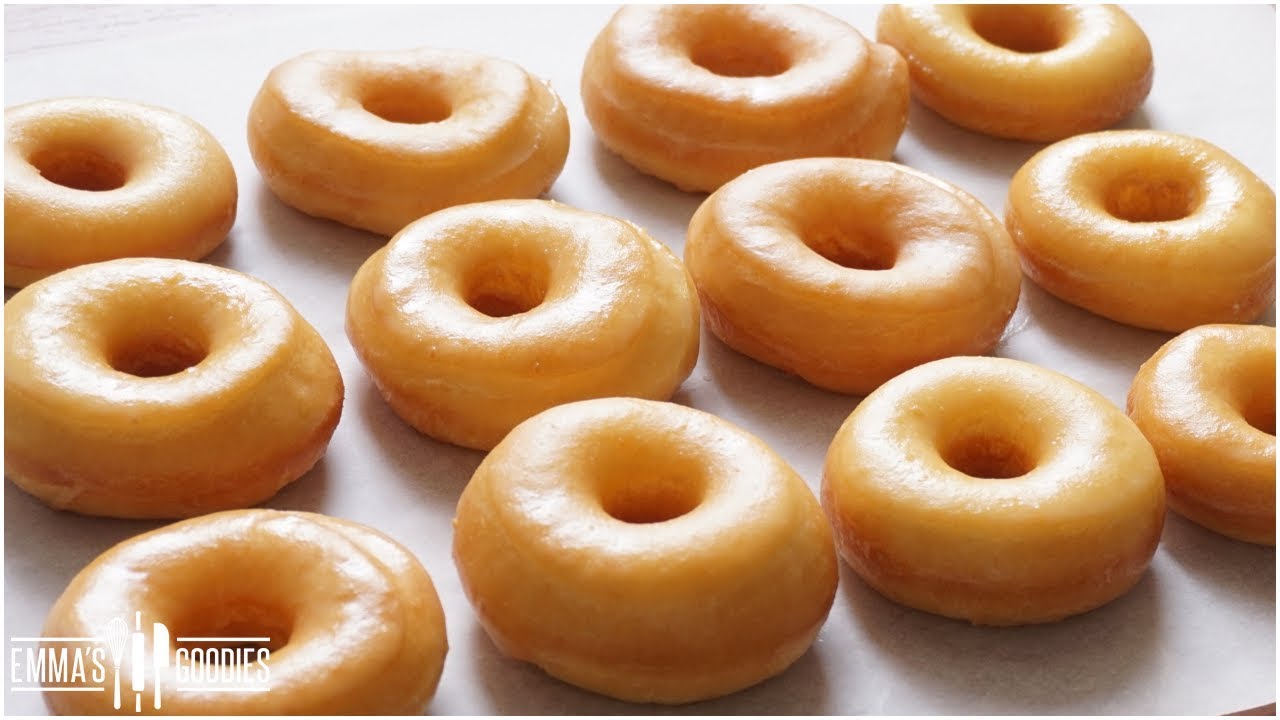
Yeast vs Cake: Pick Your Style
Both are great. They just shine in different ways.
Yeast donuts:
- Light, airy, and stretchy
- Need time to rise
- Best for classic glazed rings and filled donuts
Cake donuts:
- Tender, tight crumb, and a little crisp edge
- Quick to mix and fry
- Great for cinnamon sugar and old-fashioned styles
When you plan How to Cook Donuts, choose the style that fits your time. If you want clouds, go yeast. If you want fast, go cake.
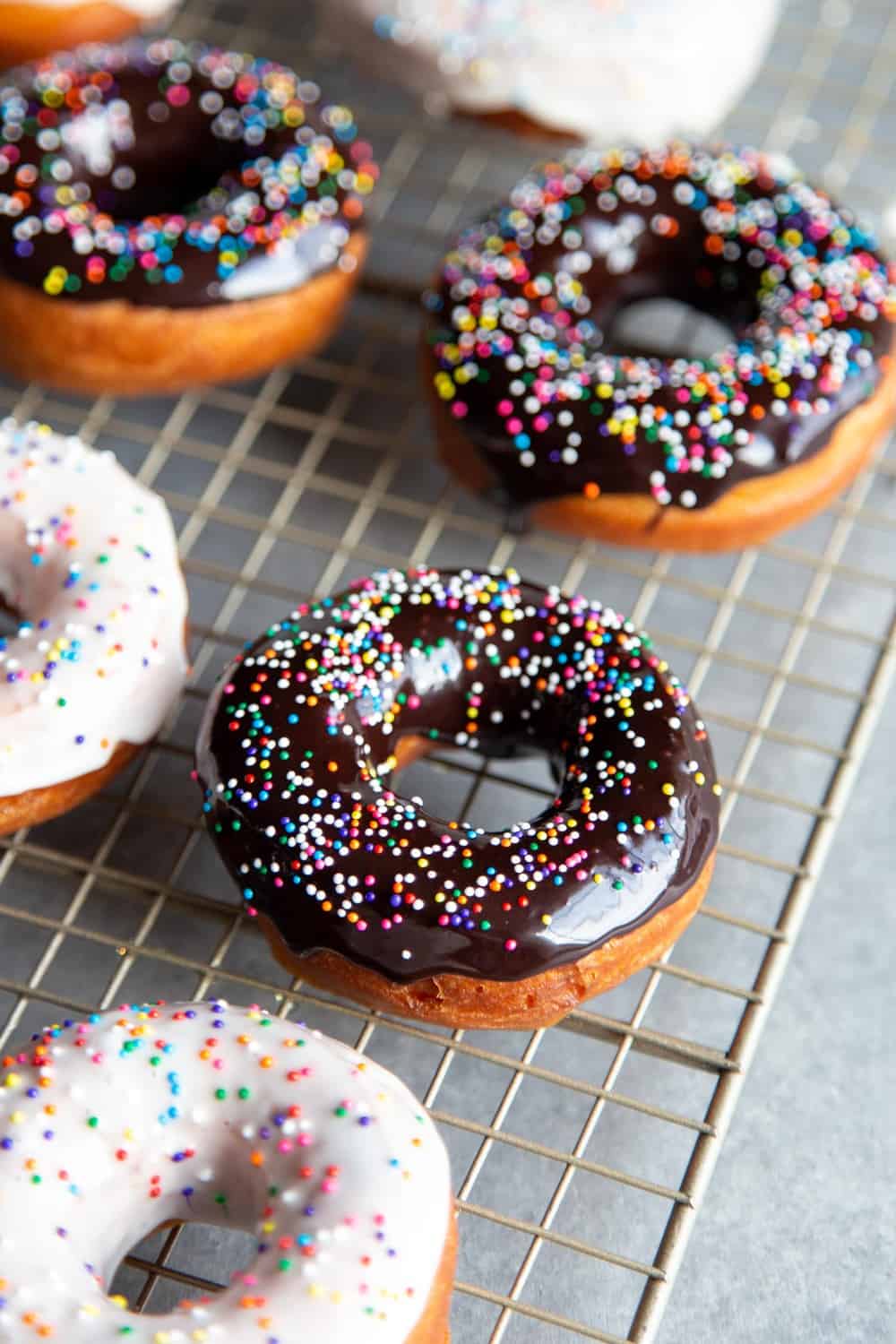
Classic Yeast Donuts: How to Cook Donuts Step-by-Step
This method is my base recipe. It gives a soft, airy bite and a glossy glaze.
Ingredients:
- 1 cup (240 ml) warm milk, 105–110°F
- 2 1/4 tsp (7 g) instant yeast
- 1/3 cup (65 g) sugar
- 2 large eggs, room temp
- 6 tbsp (85 g) unsalted butter, soft
- 1 tsp fine salt
- 3 1/4 cups (390 g) all-purpose flour, plus a little for dusting
- Oil for frying, about 2–3 quarts
Steps:
- Mix the dough. In a bowl, whisk warm milk, yeast, and sugar. Add eggs, butter, salt, and most of the flour. Mix until shaggy. Knead by mixer on low for 8 minutes, or by hand for 10 minutes. Add just enough flour to make a soft, slightly tacky dough.
- First rise. Place in a greased bowl. Cover. Let rise until doubled, 60–90 minutes, in a warm spot.
- Shape. Roll to about 1/2 inch thick. Cut rings or rounds. Place on parchment squares.
- Proof. Cover and let rise until puffy, 30–45 minutes. A finger dent should spring back slowly.
- Heat oil. Bring oil to 350°F in a heavy pot. Keep the heat steady.
- Fry. Lower donuts in gently, two or three at a time. Fry 1 to 1 1/2 minutes per side, until deep golden. The center should reach about 190–200°F if you check.
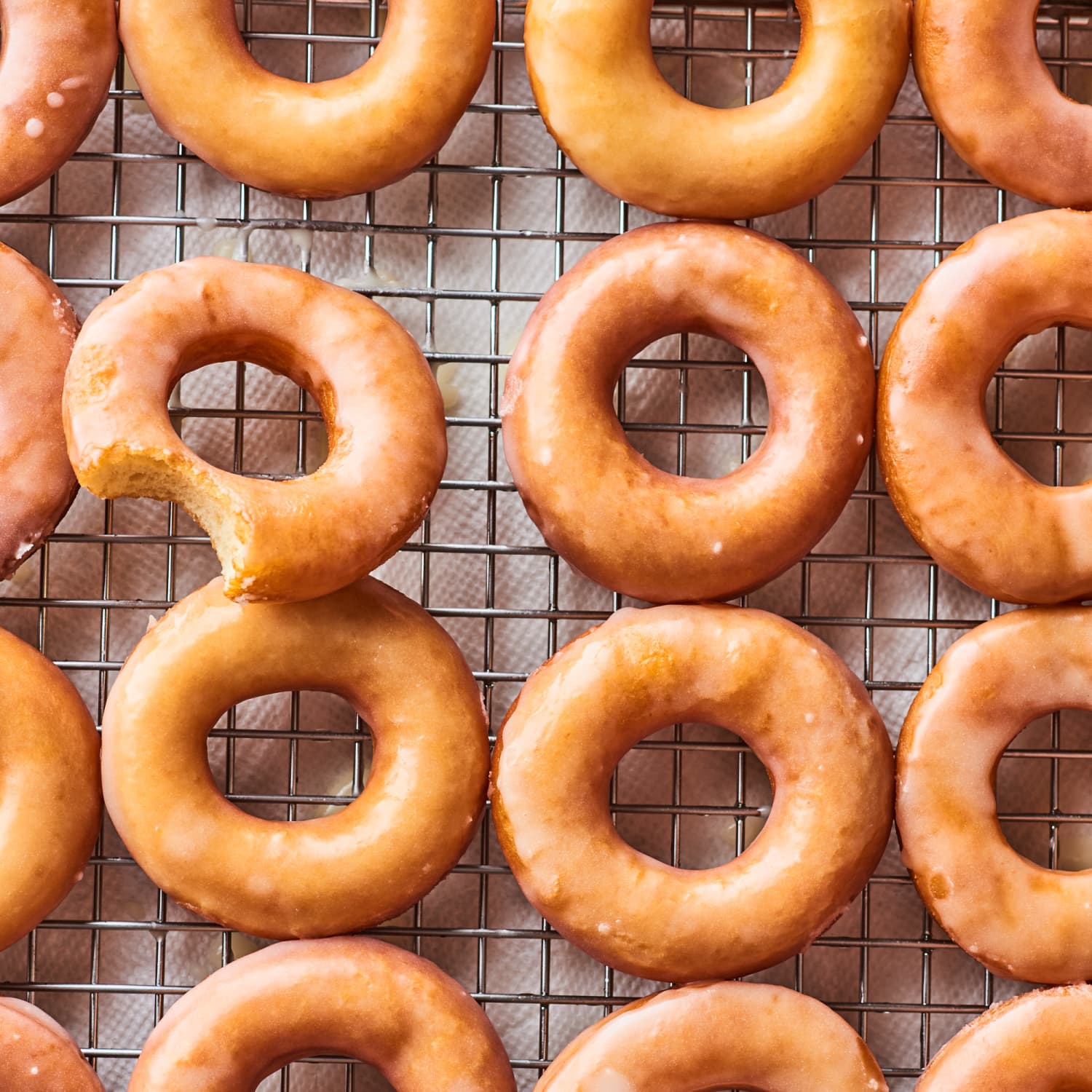
- Drain and glaze. Set on a rack. Glaze while still warm.
Pro tips from many batches:
- Oil control is key to How to Cook Donuts that are not greasy. Too cool oil makes soggy donuts.
- If dough fights you, rest it for 5 minutes. Gluten relaxes. Rolling gets easy.
- Cut neat holes. Clean cuts help even rise.
- Work in small batches so oil temp stays steady.
Mistakes to avoid:
- Adding too much flour. Soft dough fries light. Stiff dough fries dense.
- Proofing too long. Overproofed donuts collapse in oil.
- Crowding the pot. The oil drops in temp and donuts drink oil.
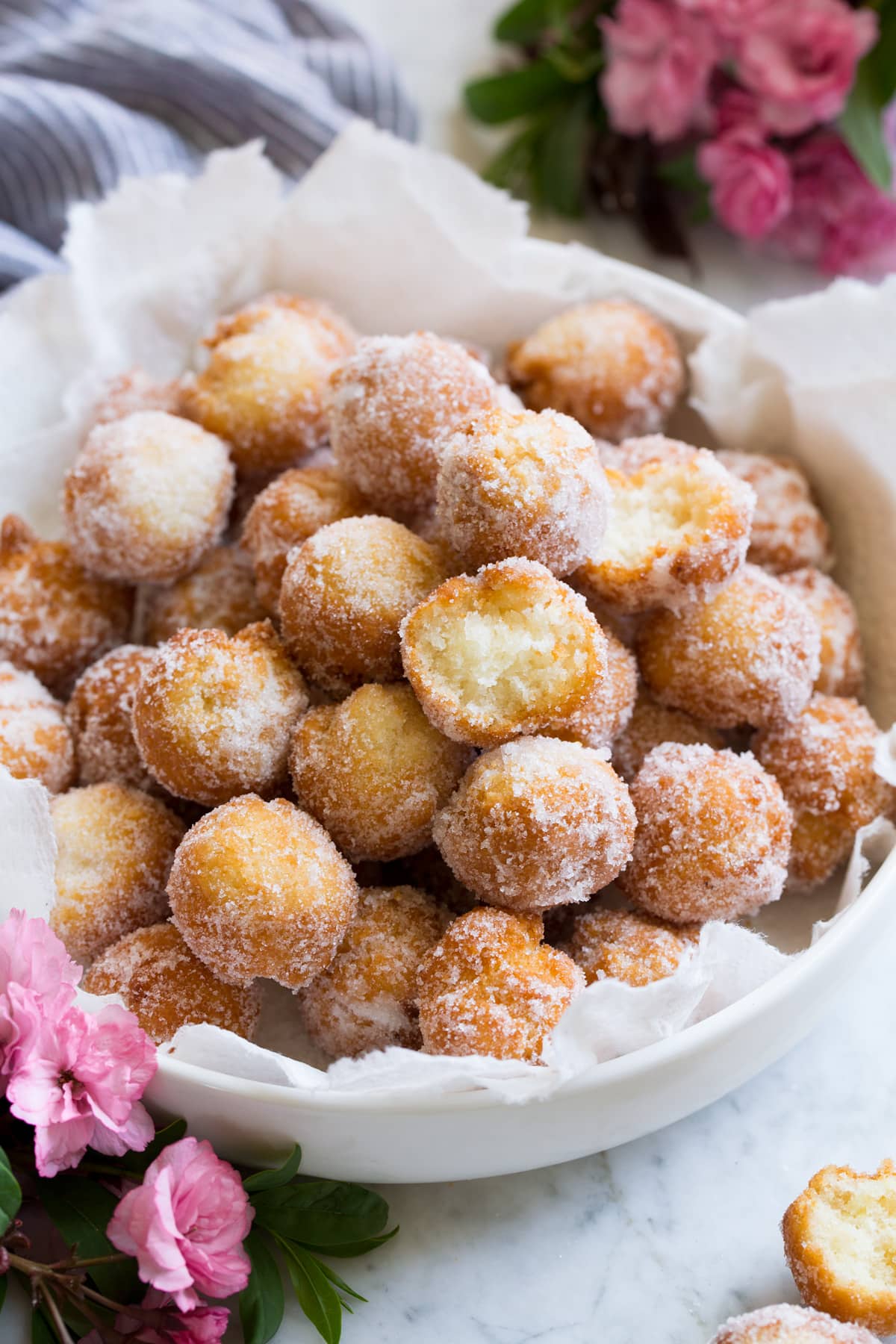
Source: cookingclassy.com
Cake Donuts: Fast, Tender, and So Good
If you want How to Cook Donuts on a weekday, cake donuts are your friend.
Ingredients:
- 2 1/2 cups (300 g) cake flour
- 1 cup (200 g) sugar
- 2 tsp baking powder
- 1/2 tsp baking soda
- 1 tsp fine salt
- 1 tsp ground nutmeg
- 2 large eggs
- 3/4 cup (180 ml) buttermilk
- 1/4 cup (60 g) sour cream
- 4 tbsp (56 g) melted butter
- 1 tsp vanilla
Steps:
- Mix dry. Whisk flour, sugar, baking powder, baking soda, salt, and nutmeg.
- Mix wet. Whisk eggs, buttermilk, sour cream, butter, and vanilla.
- Combine. Fold wet into dry. The dough is thick. Rest 10–15 minutes.
- Shape. Dust the bench. Pat or roll to 1/2 inch. Cut rings or drop spoonfuls for “drop” donuts.
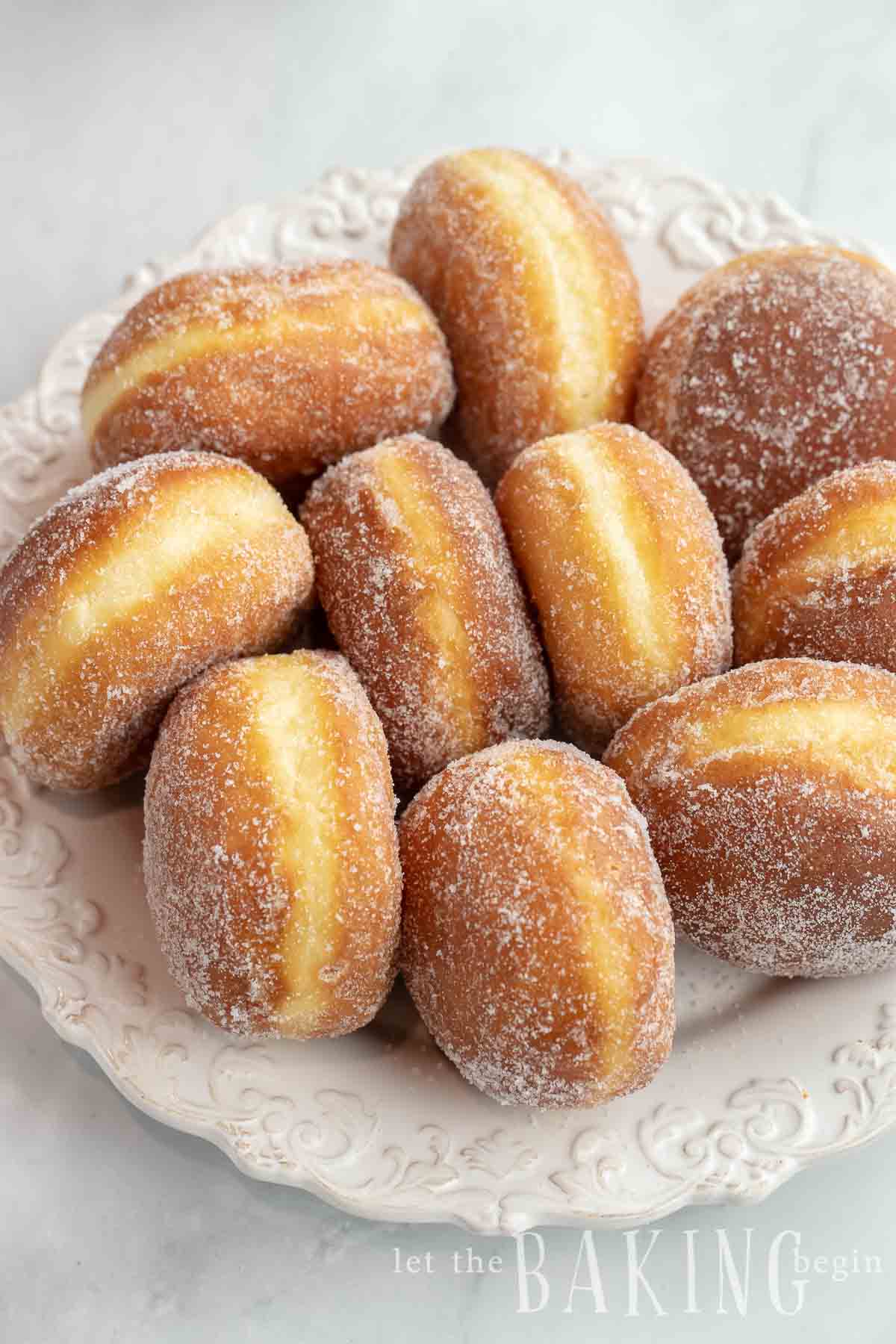
- Fry. Heat oil to 360°F. Fry 1 to 1 1/2 minutes per side. Drain and coat in cinnamon sugar or glaze.
Tips:
- Keep the dough cool. Warm dough gets sticky and drinks oil.
- Do not overmix. That keeps the crumb tender and light.
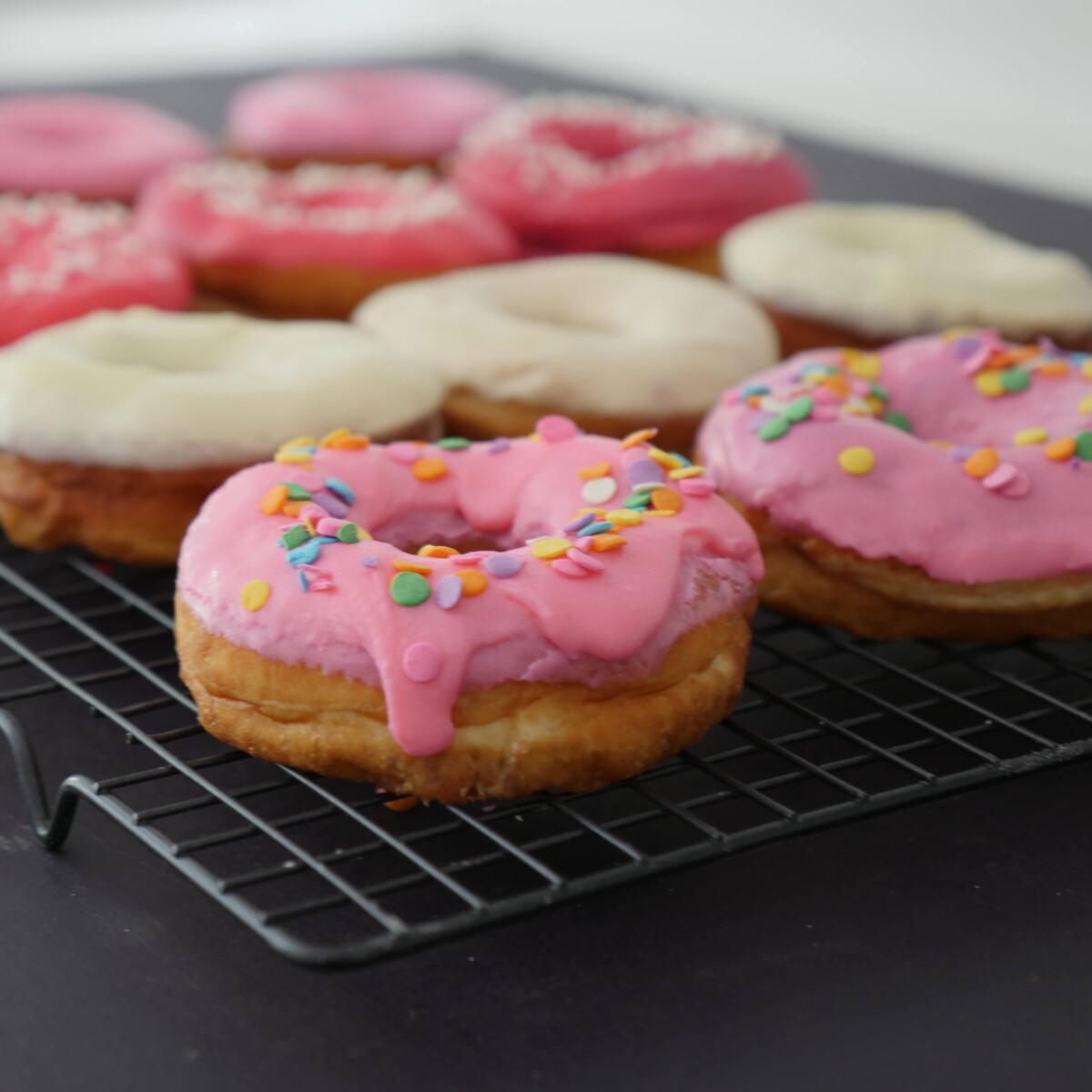
Source: howtocookthat.net
Baked Donuts and Air Fryer Options
You can cook donuts without deep frying. The texture changes, but the process is simple.
Baked donuts:
- Use a nonstick donut pan.
- Make a cake-style batter. Pipe it in.
- Bake at 350°F for 10–12 minutes. Cool 5 minutes. Glaze.
- Expect a soft, cupcake-like crumb.
Air fryer donuts:
- Brush shaped donuts with a thin coat of oil.
- Air fry at 350°F for 4–6 minutes, turning once.
- They brown fast. Watch the first batch.
- Great for biscuit-dough tests and small kitchens.
These options are handy when you plan How to Cook Donuts with less oil and mess. The taste is still great, but the bite is less crisp.
Oil, Heat, and Frying Safety
Oil choice:
- Use neutral oils with high smoke points. Peanut, canola, or refined sunflower work well.
- Avoid olive oil. It burns low and adds strong flavor.
Heat control:
- Target 350°F for yeast donuts and 360°F for cake donuts.
- Check the oil between batches. Bring it back to temp before the next fry.
- A steady 350°F is the heart of How to Cook Donuts that are light, not greasy.
Safety steps:
- Dry dough means less splatter. Shake off extra flour.
- Use a spider to lower and lift donuts. Keep kids and pets clear.
- Never leave hot oil alone. Keep a lid nearby. If a fire starts, cover and cut heat. Do not use water.
Reuse and disposal:
- Cool oil. Strain through a fine mesh.
- Store in a dark, cool place for up to 3 uses if it still smells clean.
- Dispose by sealing in a container. Do not pour down the sink.

Source: youtube.com
Glazes, Fillings, and Toppings
Simple glaze (vanilla):
- 1 1/2 cups (180 g) powdered sugar
- 2–3 tbsp milk
- 1 tsp vanilla
- Pinch of salt
- Whisk smooth. Dip warm donuts. Set on a rack.
Chocolate glaze:
- 1 1/2 cups powdered sugar
- 2 tbsp cocoa powder
- 2–3 tbsp milk
- 1 tsp vanilla
- 1 tbsp corn syrup for shine
Maple glaze:
- 1 cup powdered sugar
- 3–4 tbsp real maple syrup
- Pinch of salt
- Thin with milk as needed
Cinnamon sugar:
- 1/2 cup sugar
- 1–2 tsp cinnamon
- Toss donuts while warm
Fillings:
- Jam or jelly for quick fills
- Pastry cream or vanilla diplomat cream
- Whipped cream cheese for a tangy note
Flavor play is the fun side of How to Cook Donuts. Keep glazes thin for neat coats. Dip while warm for a smooth set.
:max_bytes(150000):strip_icc()/Simply-Recipes_Donuts_LEAD_2-7dd819912994412481d53d00f11d02ed.jpg)
Troubleshooting: Common Issues and Fixes
Dense donuts:
- Too much flour or not enough rise. Use a softer dough and proof to puffy.
Greasy donuts:
- Oil too cool or dough underproofed. Keep 350°F and proof right.
Raw centers, dark outside:
- Oil too hot or donuts too thick. Lower heat and roll to 1/2 inch.
Pale color:
- Oil too cool or short fry time. Hold temp steady and fry a bit longer.
Cracked glaze:
- Donuts too hot or glaze too thick. Let donuts cool 5 minutes. Thin glaze with a splash of milk.
Misshapen rings:
- Dough stuck to the bench or rough cuts. Dust lightly. Use clean, sharp cuts.
These fixes come from many trial runs while learning How to Cook Donuts at scale and at home.
Make-Ahead, Storage, and Food Safety
Make-ahead:
- Mix dough the night before. Chill after the first rise. Shape cold. Proof a bit longer the next day.
- Freeze cut, unproofed donuts on a tray. Bag and keep for up to 1 month. Thaw in the fridge. Proof, then fry.
Storage:
- Best on day one. Store plain donuts in an airtight box at room temp for 1–2 days.
- Glazed donuts hold for a day. Sugar-coated hold best.
- Freeze plain donuts up to 2 months. Reheat at 300°F for 5–8 minutes.
Food safety notes:
- Cream or custard-filled donuts should be kept cold. Eat within 24 hours.
- Let fried donuts cool out of the danger zone fast. Do not stack while hot.
- Use pasteurized eggs in glazes when possible. Keep your workspace clean.
Smart storage is part of How to Cook Donuts that taste great after day one.
Nutrition and Lighter Swaps
A classic glazed yeast donut is about 250–300 calories. Cake donuts can be higher due to density. Size and toppings change the count a lot.
Lighter ideas:
- Make mini donuts. Small bites add joy with fewer calories.
- Try baked or air fryer methods for less oil.
- Use a thinner glaze or a dusting of sugar instead.
Balance is key. How to Cook Donuts is also how to enjoy them mindfully. Share a warm batch with friends.
Frequently Asked Questions
Can I make donuts without a deep fryer?
Yes. Use a heavy pot on the stove with a thermometer. Or try a donut pan or air fryer for less oil.
Can I use instant yeast instead of active dry?
Yes. Instant yeast mixes right into the flour. If you use active dry, bloom it in warm milk first.
Why are my donuts greasy?
The oil is too cool or the dough is underproofed. Hold 350°F and let the shaped donuts get puffy before frying.
Which flour is best for donuts?
All-purpose flour works for yeast donuts. Cake flour makes tender cake donuts with a fine crumb.
How long should donut dough rise?
The first rise takes 60–90 minutes at warm room temp. The shaped proof is 30–45 minutes until the dough looks airy.
What oil should I use?
Use neutral oils with high smoke points like peanut or canola. They fry clean and taste light.
Can I make donuts with biscuit dough?
Yes. Cut holes in chilled biscuit dough. Fry at 350°F for about 1 minute per side, then glaze or sugar.
Conclusion
You now know How to Cook Donuts from start to finish. Pick yeast for light rings or cake for fast treats. Control the oil. Watch the proof. Glaze while warm. Small steps make a big win.
Set up your tools, try one base recipe, and take notes. Your second batch will be even better. Ready to fry? Share your donut wins, ask a question, or subscribe for more guides.