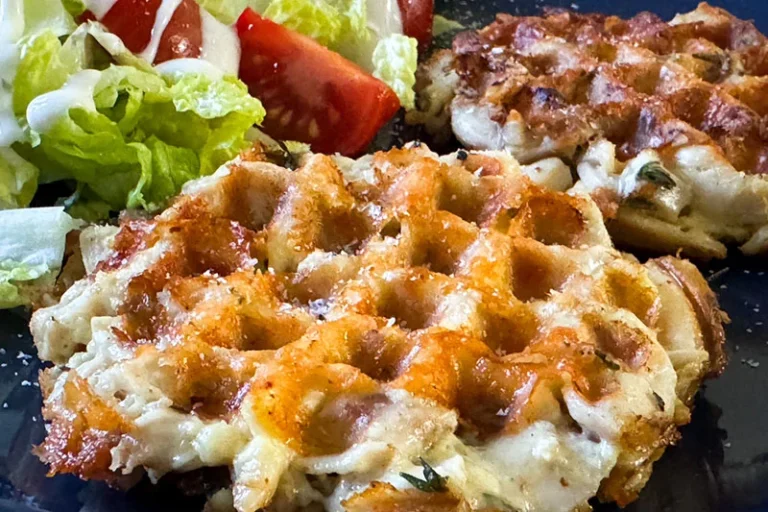
Start simple: master basic tools, safe prep, and three easy cooking methods.
If you want to know How to Cook for Beginners, you are in the right place. I teach new cooks how to build skills step by step, not all at once. In this guide, I break down tools, methods, safety, recipes, and planning. You will learn how to shop, prep, season, and cook with confidence. Follow along, and How to Cook for Beginners will feel easy, fun, and doable from day one.
:max_bytes(150000):strip_icc()/Simply-Recipes-Unstuffed-Peppers-LEAD-4-eaeaba3e3e914f428b747104600624b5.jpg)
Build your beginner kitchen setup
You do not need a fancy kitchen to start. A few good tools and pantry items will take you far. I learned this while teaching roommates who cooked on a hot plate with one pan. Focus on gear that works hard for you.
Essential tools
- Chef’s knife, 8 inches, sharp and comfortable
- Cutting board, one for produce, one for meat
- Medium saucepan with lid, 2 to 3 quarts
- Large skillet, nonstick or stainless, 10 to 12 inches
- Sheet pan, rimmed, half-size
- Instant-read thermometer
- Wooden spoon, spatula, tongs, measuring cups and spoons
- Colander, peeler, can opener, kitchen towels
Starter pantry
- Oils: olive oil for dressings, neutral oil for high heat
- Salt: kosher or sea salt; pepper: freshly ground
- Acid: vinegar and lemon
- Starches: rice, pasta, tortillas
- Canned goods: tomatoes, beans, tuna
- Flavor boosters: garlic, onions, soy sauce, hot sauce, dried herbs
- Stock or broth, low sodium
Budget tip
- Buy tools as you need them. If money is tight, get a combo pan with a lid and a knife. That pair can cook almost anything in this guide.
Personal note
- My first year out of college, I owned one pot. I made soup, pasta, rice, and even pan-bread in it. The lesson: simplicity fuels skill.

How to Cook for Beginners: learn the core methods
Great cooking rests on a few key methods. Learn these, and you can cook almost any recipe you find. How to Cook for Beginners starts with heat control, knife safety, and seasoning.
Heat and methods
- Boil and simmer: rolling boil for pasta; gentle simmer for soups and beans.
- Sauté: medium-high heat, a thin coat of oil, food in a single layer.
- Roast: oven at 400 to 450°F, space items on the pan for browning.
- Steam: boiling water under a steamer basket, lid on, bright and tender food.
- Pan-sear: preheat the pan, dry the surface of the food, do not move it early.
Seasoning basics
- Salt early and taste often. Add a pinch, stir, taste, repeat.
- Balance with acid. A squeeze of lemon or splash of vinegar wakes up flavor.
- Finish with fat. A drizzle of olive oil or a pat of butter adds body.
Doneness and safety
- Chicken: 165°F at the center.
- Ground beef: 160°F.
- Whole cuts of beef or pork: 145°F with a short rest.
- Fish: 145°F or just opaque and flakes with a fork.
Small steps to practice today
- Dice an onion, mince two cloves of garlic, sauté in oil, and season with salt.
- Boil pasta, save a cup of pasta water, and toss with olive oil and garlic.
- Roast cut veggies with oil, salt, and pepper until edges are browned.
Quick PAA-style answers
### What is the easiest cooking method for beginners?
Sautéing is fast and teaches heat control. Roasting is also easy and very forgiving.
How do I stop food from sticking?
Preheat the pan, dry your food, and do not move it too soon. Add oil once the pan is hot.
How much salt should I use?
Start with a small pinch per cup of food. Taste as you cook and adjust at the end.
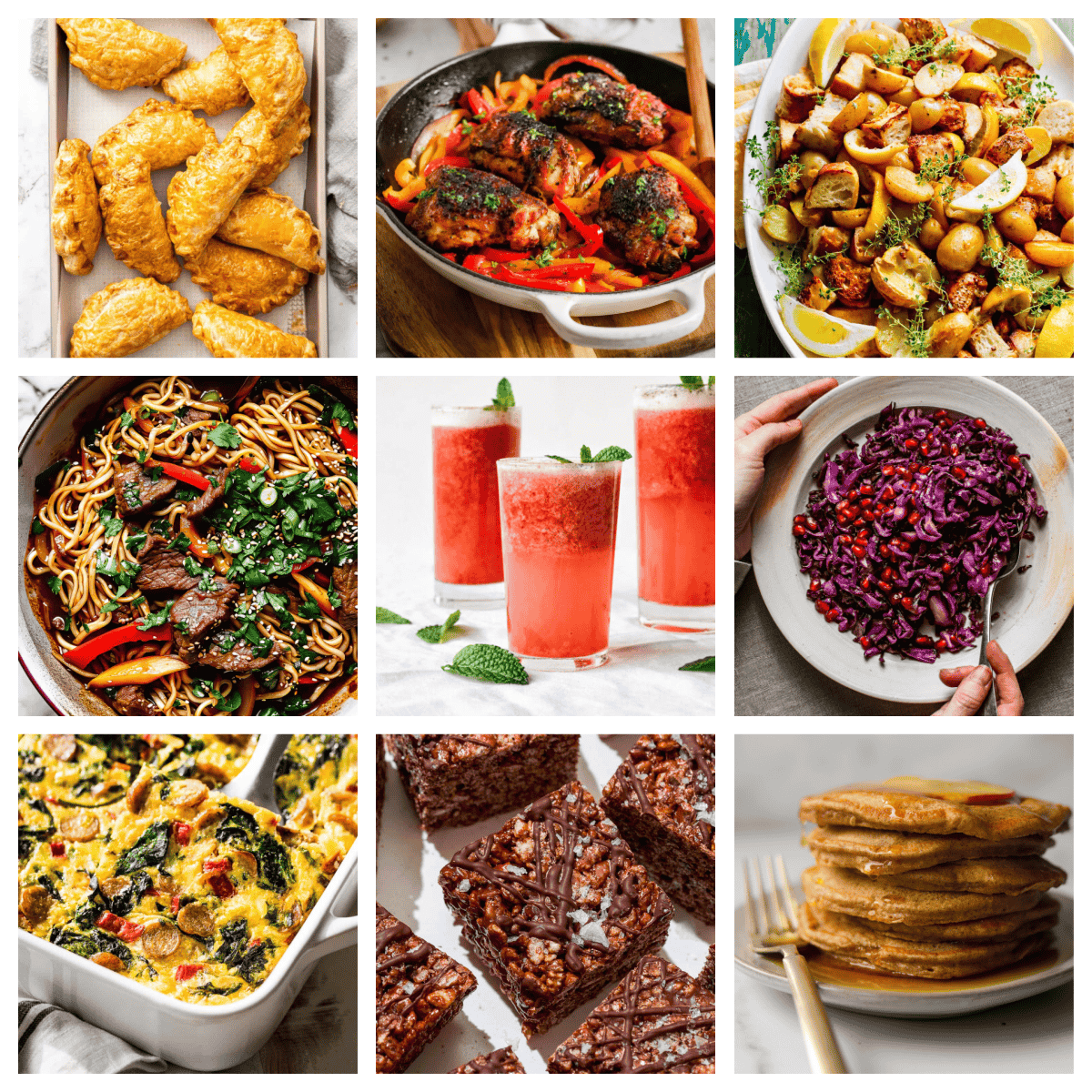
Simple step-by-step starter recipes
These are my go-to lessons when I coach new cooks. Each builds skill and speed. They also show how to cook for beginners in real life.
Scrambled eggs, soft and creamy
- Crack 2 to 3 eggs into a bowl. Add a pinch of salt and a splash of milk or water.
- Whisk until smooth. Heat a nonstick pan over medium and add a little butter.
- Pour in eggs. Push gently with a spatula. Pull from edges to center.
- When soft curds form and it looks a bit glossy, turn off heat. The carryover heat will finish it.
Sheet-pan chicken and vegetables
- Heat oven to 425°F. Line a rimmed pan.
- Cut chicken thighs into chunks. Cut carrots, onions, and broccoli into bite-size pieces.
- Toss with oil, salt, pepper, and a little garlic powder or paprika.
- Spread out. Roast 20 to 25 minutes, stir once, then cook until chicken hits 165°F.
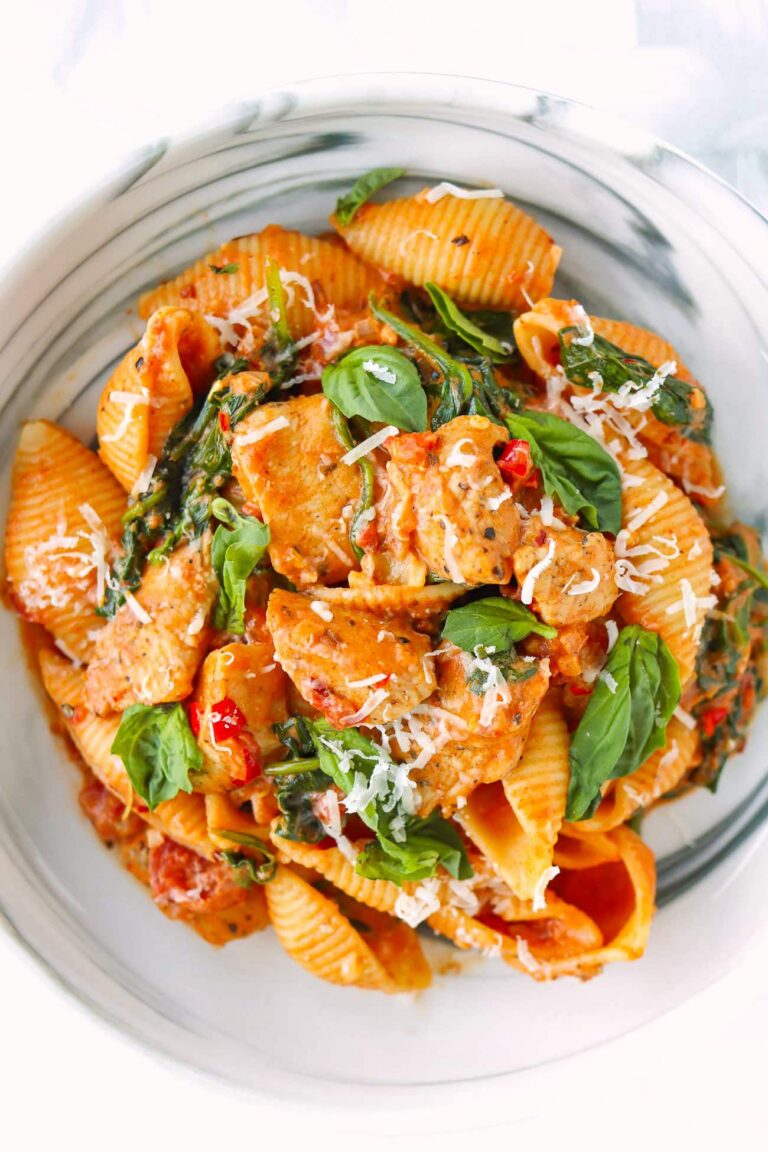
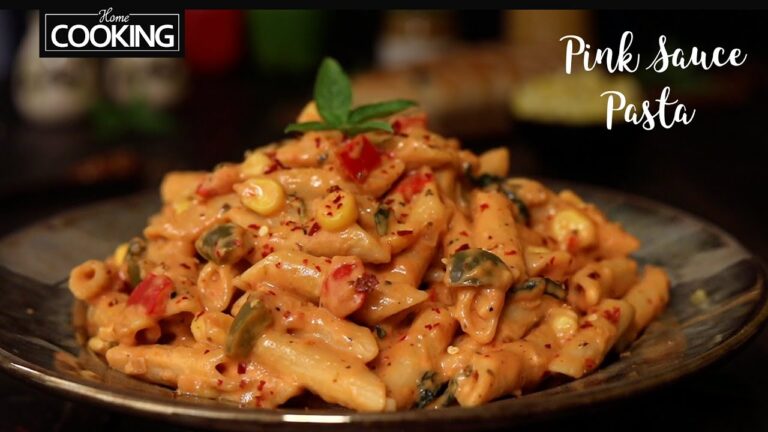
One-pot tomato basil pasta
- In a pot, add 8 ounces pasta, 2 cups water, 1 cup canned tomatoes, sliced onion, garlic, salt, and a drizzle of oil.
- Bring to a boil, then simmer and stir until pasta is just tender and liquid thickens.
- Stir in torn basil and a knob of butter or olive oil. Add grated cheese if you like.
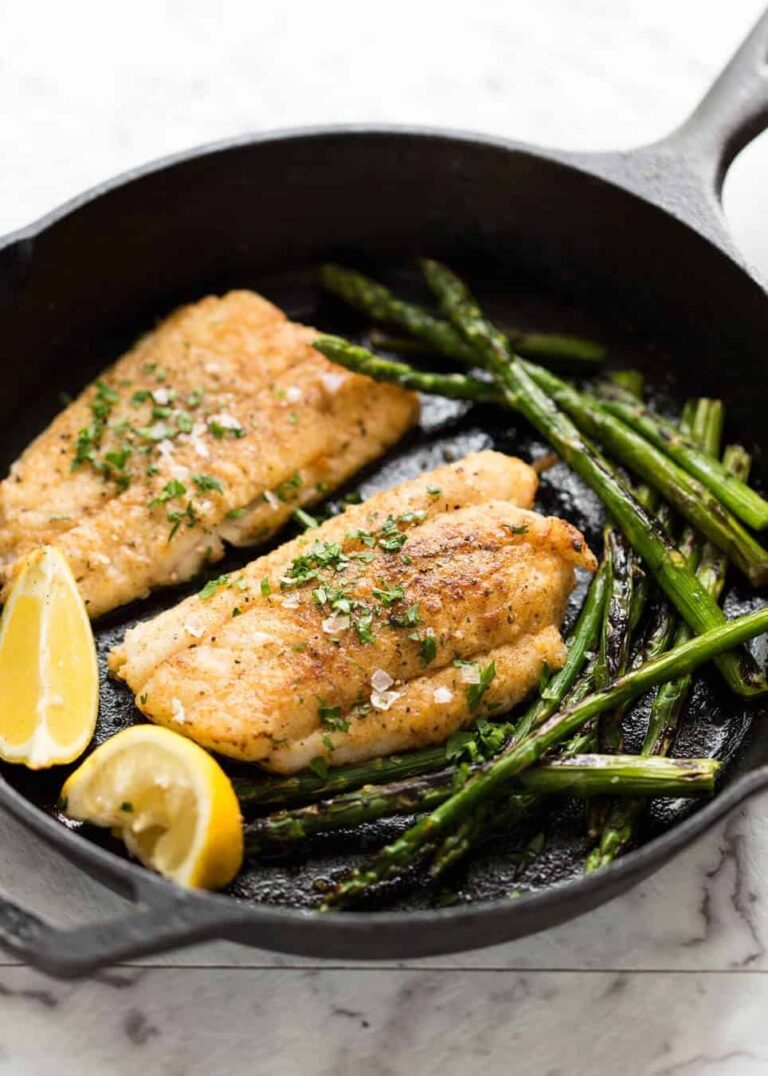
Bonus: Pan-seared salmon
- Pat salmon dry. Salt it.
- Heat a skillet over medium-high. Add oil, then salmon, skin side down.
- Cook 4 to 6 minutes. Flip once. Cook 1 to 3 minutes more, to 125 to 130°F for moist fish.
Coach’s tip
- Keep notes. Write what worked, what didn’t, and what you felt unsure about. This habit speeds up How to Cook for Beginners more than any gadget.

Meal planning and grocery basics for beginners
Meal planning cuts costs and stress. It also reduces waste. This is a key pillar of How to Cook for Beginners.
Simple weekly flow
- Pick three core meals you can repeat. For example: roasted veg bowls, tacos, and pasta.
- Shop once with a list. Stick to it.
- Batch-cook grains and proteins for easy mix-and-match.
Smart shopping
- Shop the edges first for produce, dairy, and meat. Then grab pantry staples.
- Read labels. Shorter ingredient lists often mean fewer additives.
- Buy frozen veggies and fruit. They are budget friendly and last longer.
Store and reheat
- Cool leftovers fast and refrigerate within two hours.
- Reheat to steaming hot. Stir halfway to heat evenly.
- Portion meals in clear containers so you can see what you have.
Save money without losing quality
- Choose store brands for staples.
- Buy whole carrots, onions, and heads of lettuce. Precut items cost more.
- Use a flexible recipe bank. Swap beans for meat, or rice for pasta, based on sales.
Kitchen safety, food safety, and cleanup
Good food starts with safe habits. How to Cook for Beginners must include safety rules that stick.
Knife safety
- Keep your knife sharp. A sharp knife slips less.
- Use the claw grip. Curl your fingers and guide with your knuckles.
- Stabilize your board with a damp towel under it.
Food safety
- Keep raw meat separate from produce. Use different boards or wash between uses.
- Store fridge foods at or below 40°F. Freezer should be 0°F or below.
- The danger zone is 40°F to 140°F. Do not leave food there for over two hours.
Cooking temps at a glance
- Poultry: 165°F
- Ground meats: 160°F
- Whole cuts of beef or pork: 145°F with rest
- Fish: 145°F or just opaque
Cleanup routine
- As you cook, clean. Rinse tools you no longer need.
- Soak pans right away with warm water and a little soap.
- Wipe counters and handles. Wash hands often.
Honest limit
- Smell, look, and time help, but they do not beat a thermometer. Trust the numbers, not guesses.

Troubleshooting, mindset, and your 30-day plan
Setbacks happen. Burnt toast, soggy pasta, bland soup. I have made them all. The trick is to learn the fix. That is the heart of How to Cook for Beginners.
Common mistakes and quick fixes
- Food turns watery: your pan is crowded. Cook in batches or use higher heat.
- Bland taste: add a pinch of salt and a splash of acid. Then taste again.
- Mushy vegetables: roast hotter and shorter. Cut them into even pieces.
- Dry chicken: use thighs for forgiveness or cook breast to 155 to 160°F and rest to 165°F.
Taste like a pro
- Salt, fat, acid, heat, sweet, and umami are your dials. Adjust one at a time.
- If a dish is too salty, add bulk like rice, beans, or unsalted stock.
A personal story
- My first roast chicken was pale and soft. I learned to dry the skin, salt it early, and roast on high heat at the end. Now the skin crackles. Small tweaks, big wins.
Your 30-day beginner plan
- Week 1: Practice knife skills and sauté onions and garlic daily.
- Week 2: Learn to cook a pot of rice, roast two vegetables, and scramble eggs.
- Week 3: Make a soup, a sheet-pan dinner, and a one-pot pasta.
- Week 4: Plan a simple menu, shop with a list, and cook three dinners.
Keep the phrase in mind
- Repeat this: How to Cook for Beginners is a process, not a test. When you track small wins, you build speed and taste.
:max_bytes(150000):strip_icc()/8363245-One-Pot-Rice-Cooker-Meal_DDMFS_Beauty008-c8841a07c6c4451d8d5800daa3007c45.jpg)
Frequently Asked Questions of How to Cook for Beginners
What should I learn first as a beginner?
Learn knife safety and how to sauté, boil, and roast. These skills cover most daily meals.
How can I cook fast on weeknights?
Prep once on Sunday. Batch-cook grains or proteins and use them in quick bowls, tacos, or salads.
Do I need a lot of spices?
No. Start with salt, pepper, garlic powder, paprika, and an herb blend. Add more as you find your taste.
How do I know if my pan is hot enough?
Flick in a drop of water. If it sizzles and jumps, the pan is ready for sautéing.
What is the cheapest healthy meal to start with?
Beans and rice with roasted vegetables. It is filling, low cost, and easy to flavor many ways.
How often should I practice?
Cook something small every day. Short, daily reps beat a long session once a week.
Can I learn without recipes?
Yes. Use recipes at first, then start to swap similar items. Keep notes so you learn what works.
Conclusion
You now have the core skills, simple recipes, and a plan. Keep your tools simple, season with purpose, and use safe temps. Most of all, taste as you go and write down what you learn. That is the real secret of How to Cook for Beginners.
Start today with one recipe from this guide. Share your result, ask a question, or subscribe for more step-by-step lessons on How to Cook for Beginners.