Sear 80/20 patties hot, melt cheese, layer bold toppings, and toast sturdy buns.
If you want to learn How to Cook Loaded Burgers like a pro, you’re in the right place. I’ve cooked thousands of patties for friends, pop-ups, and busy weeknights. This guide breaks down every step with clear tips, safe temps, and flavor moves that work. Stick with me, and you’ll plate loaded burgers that drip, crunch, and wow every time.

The Burger Blueprint: Ingredients That Matter
Great burgers start with the right base. When you plan how to cook loaded burgers, pick beef with enough fat, buns that do not crumble, and toppings that add crunch, cream, and heat.
Core picks for juicy patties:
- Ground beef 80/20. This fat level gives big flavor and stays moist.
- Salt and fresh pepper. Season right before cooking to avoid a dense, sausage-like texture.
- Neutral oil with a high smoke point. Avocado or canola helps the sear.
Toppings that earn the “loaded” name:
- Cheese. American for melt, cheddar for sharp, pepper jack for heat, or Swiss for tang.
- Bacon, crispy. Bake at 400°F for 15–20 minutes for even crunch.
- Caramelized onions. Low and slow in a pan with a pinch of salt, 30–40 minutes.
- Pickles and jalapeños. Add acid and pop.
- Fresh crunch. Shredded lettuce and sliced tomato.
- Sauce. Classic burger sauce, chipotle mayo, garlic aioli, or mustard.
When you focus on how to cook loaded burgers, think balance. You want fat, acid, crunch, heat, and umami in each bite.
Tools and Setup
Use tools that help you lock in heat and manage mess. This is key when learning how to cook loaded burgers with repeatable results.
Good tools:
- Cast iron skillet or griddle for even sear.
- Instant-read thermometer for food safety.
- Thin metal spatula for smash burgers, sturdy tongs for flipping.
- Wire rack for resting cooked patties so they do not turn soggy.
- Lid or melting dome to speed up cheese melt.
Preheat your pan or grill until it is very hot. A hot surface is the secret to a crust that snaps.

Step-by-Step: How to Cook Loaded Burgers at Home
Here is a simple, repeatable flow I use at home and in pop-ups. It works on grill or stovetop and nails how to cook loaded burgers with ease.
- Portion and shape. Form 4 to 6 ounce balls for smash style or loose 3/4-inch patties. Do not overwork the meat.
- Prep toppings. Crisp bacon, slice veg, and make sauce before you cook the patties.
- Heat the surface. Medium-high for cast iron. Two-zone fire on the grill for control.
- Season. Salt and pepper the outside right before patties hit the heat.
- Sear hard. Do not move patties for 2–3 minutes. Smash only in the first 30 seconds if doing smash style.
- Flip once. Cook to 160°F internal for safety. Add cheese and cover for 30–60 seconds.
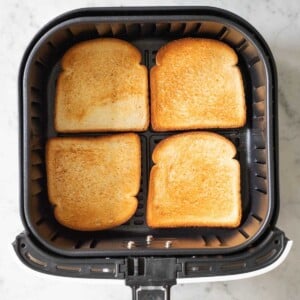
- Toast buns. Lightly butter. Toast until golden on pan edges or grill grates.
- Stack smart. Sauce on both buns, lettuce on the bottom for a moisture shield, then patty with cheese, bacon, pickles, onions, tomato, and more sauce.
- Rest and serve. Rest patties 2–3 minutes. Serve hot.
For two patties per burger, go thinner on each patty. Double cheese helps glue the stack.
Cooking Methods and Times
Different heat sources will change your crust and timing. Use this quick guide when you plan how to cook loaded burgers with your setup.
Cast iron or griddle:
- Smash style, 4 ounces: 2–3 minutes first side, 1–2 minutes second side.
- Regular patty, 6 ounces: 4–5 minutes per side.
Gas or charcoal grill:
- Direct heat for sear, then move to indirect if flare-ups.
- 6-ounce patties: 4–5 minutes per side. Aim for 160°F internal.
Oven finish:
- Sear in a pan, then move to 375°F oven for 5–8 minutes to finish if thick.
Air fryer:
- 375°F for 8–10 minutes for 4–6 ounce patties, flipping once. Add cheese in the last minute.
Always use temperature, not time, to confirm doneness.
The Load: Toppings, Sauces, and Smart Layering
Most people think “more is more.” But loaded should be smart, not sloppy. The trick is layering for structure and clean bites. This is core to how to cook loaded burgers that hold up.
Best order for a sturdy stack:
- Bottom bun with sauce and shredded lettuce.
- Patty with melted cheese.
- Crispy items like bacon or fried onions.
- Juicy items like tomato and pickles.
- Raw or caramelized onions.
- Top bun with sauce.
Quick sauce ratios that work:
- Classic burger sauce: 2 parts mayo, 1 part ketchup, 1 teaspoon pickle brine, 1 teaspoon mustard, pinch of paprika.
- Chipotle mayo: 3 parts mayo, 1 part adobo sauce, lime juice, pinch of salt.
- Garlic aioli hack: 3 parts mayo, 1 part lemon juice, 1 grated garlic clove, pinch of salt.
Buns That Hold Up
The bun is a lid and a sponge. It must be strong, but soft. The right choice makes or breaks how to cook loaded burgers that travel from plate to mouth without falling apart.
Great options:
- Brioche for a light, sweet bite and tender crumb.
- Potato rolls for soft chew and good grip.
- Sesame buns for classic flavor and aroma.
Toast to seal the surface. A light swipe of butter helps browning and adds flavor. For very juicy stacks, spread a thin layer of mayo on the cut sides before toasting. Mayo browns fast and adds a moisture shield.
Pro Tips, Mistakes to Avoid, and My Lessons
I learned these the hard way. Use them to raise your game.
Tips that always pay off:
- Make a small dimple in the center of thicker patties to stop doming.
- Salt just before cooking to keep the texture tender.
- Press only at the start for smash burgers. Pressing later squeezes out juices.
- Cover to melt cheese fast and avoid overcooking.
- Keep toppings dry. Pat tomatoes and pickles so they do not soak the bun.
Common mistakes:
- Using lean beef. 93/7 dries out fast. Use 80/20 for loaded burgers.
- Flipping too soon. Let the crust form so the patty releases clean.
- Skipping rest. Two minutes of rest keeps juices in the patty, not on the plate.
These rules are a big part of how to cook loaded burgers that taste like a burger joint.
Food Safety and Doneness
Ground beef must hit 160°F in the center. This follows national food safety guidance. The reason is simple. Grinding spreads bacteria through the meat. Heat must reach the middle.
Best practices:
- Chill meat until cooking time.
- Clean boards and tools that touch raw meat.
- Use a thermometer. Do not guess by color.
- Rest patties 2–3 minutes so juices settle.
Keep this front and center when you teach others how to cook loaded burgers at home.
Nutrition, Swaps, and Dietary Options
Loaded can still be smart. You can tune calories, fat, and carbs without losing joy.
Lighter moves:
- Use 85/15 beef or blend half beef with ground mushrooms for moisture and umami.
- Swap cheese to a thin slice, or use stronger cheese so you use less.
- Pick a whole wheat bun or a lettuce wrap to cut carbs.
- Add sharp pickles and onions to boost flavor without much fat.
Diet swaps:
- Turkey burgers. Add grated onion and a bit of oil to keep them juicy.
- Plant-based patties. Sear hot and do not overcook. These dry out fast.
- Gluten-free buns or lettuce wraps. Toast GF buns well for strength.
Knowing how to cook loaded burgers also means knowing how to adjust them for your crowd.
Variations and Flavor Ideas
Once you nail the basics, play with themes. These combos keep the “loaded” spirit but bring new notes.
Fun builds:
- Smokehouse. Cheddar, bacon, crispy onions, barbecue sauce, pickles.
- Cali Dream. Pepper jack, avocado, shredded lettuce, tomato, chipotle mayo.
- French Onion. Gruyère, caramelized onions, Dijon, arugula.
- Breakfast. American cheese, fried egg, bacon, hot honey, hash brown patty.
- Truffle Umami. Swiss, sautéed mushrooms, truffle mayo, arugula.
Use this list to guide how to cook loaded burgers that match the season and your mood.
Troubleshooting: Fixes for Common Issues
Even pros hit snags. Here is how I fix the big three.
Dry burgers:
- Increase fat to 80/20.
- Stop pressing after the first 30 seconds.
- Pull them right at 160°F and rest.
Burgers that fall apart:
- Chill patties 10 minutes before cooking.
- Do not flip early. Let the crust form.
- Use a wider spatula for support.
Soggy buns:
- Toast longer. Add a thin mayo layer before toasting.
- Build with lettuce on the bottom to shield from juices.
Use these fixes when learning how to cook loaded burgers under pressure.
Make-Ahead, Storage, and Reheating
You can prep smart without losing quality.
Make-ahead:
- Portion and chill patties up to 24 hours. Do not salt until cooking.
- Cook bacon, slice veg, and mix sauces a day ahead.
Storage:
- Cooked patties keep 3–4 days in the fridge. Freeze up to 3 months.
Reheat without drying:
- Steam in a covered pan with a splash of water for 1–2 minutes.
- Air fryer at 300°F for 3–4 minutes. Add cheese in the last minute.
These steps help on game day and teach your crew how to cook loaded burgers for a crowd.
Frequently Asked Questions of How to Cook Loaded Burgers
What beef is best for loaded burgers?
Use 80/20 ground beef for a juicy bite and rich flavor. The fat helps form a crisp crust and keeps the center moist.
How do I keep burgers from puffing up?
Make a small dimple in the center of each patty. This evens heat and stops doming as the meat tightens.
When should I season the patties?
Salt and pepper right before cooking. Salting early pulls moisture out and can make the texture dense.
What is the safe internal temperature for ground beef?
Cook to 160°F in the center. Use an instant-read thermometer for accuracy.
How do I melt cheese perfectly?
Add cheese after the flip and cover the pan or grill for 30–60 seconds. The trapped steam melts cheese fast without overcooking the meat.
Can I make loaded burgers without a grill?
Yes. Use a hot cast iron skillet or griddle. You can get a great crust indoors.
How do I stack toppings so the burger does not fall apart?
Put sauce and lettuce on the bottom, then the patty with cheese, then crispy items, then juicy items, and sauce on the top bun. This keeps structure and reduces sogginess.
Conclusion
You now have a clear playbook for juicy patties, crisp edges, bold toppings, and sturdy buns. You also know how to cook loaded burgers with safe temps, smart layering, and simple tools. Start with 80/20 beef, sear hot, toast the bun, and build with balance.
Fire up your pan or grill tonight and put these steps to work. Share your favorite combos or questions in the comments, and subscribe for more easy, tested guides that make home cooking feel pro.