Crank up the heat, prep fast, and layer bold sauces and crunch.
If you crave the snap of a griddle, the perfume of char, and the rush of quick service, you are in the right kitchen. I’ve spent years testing street classics on small burners, tiny balconies, and cramped counters. This guide breaks down How to Cook Street Food at Home with clear steps, flexible swaps, and pro tips you can trust. Stick with me, and you’ll plate crowd-pleasing bites any night of the week.

What Street Food Cooking Means at Home
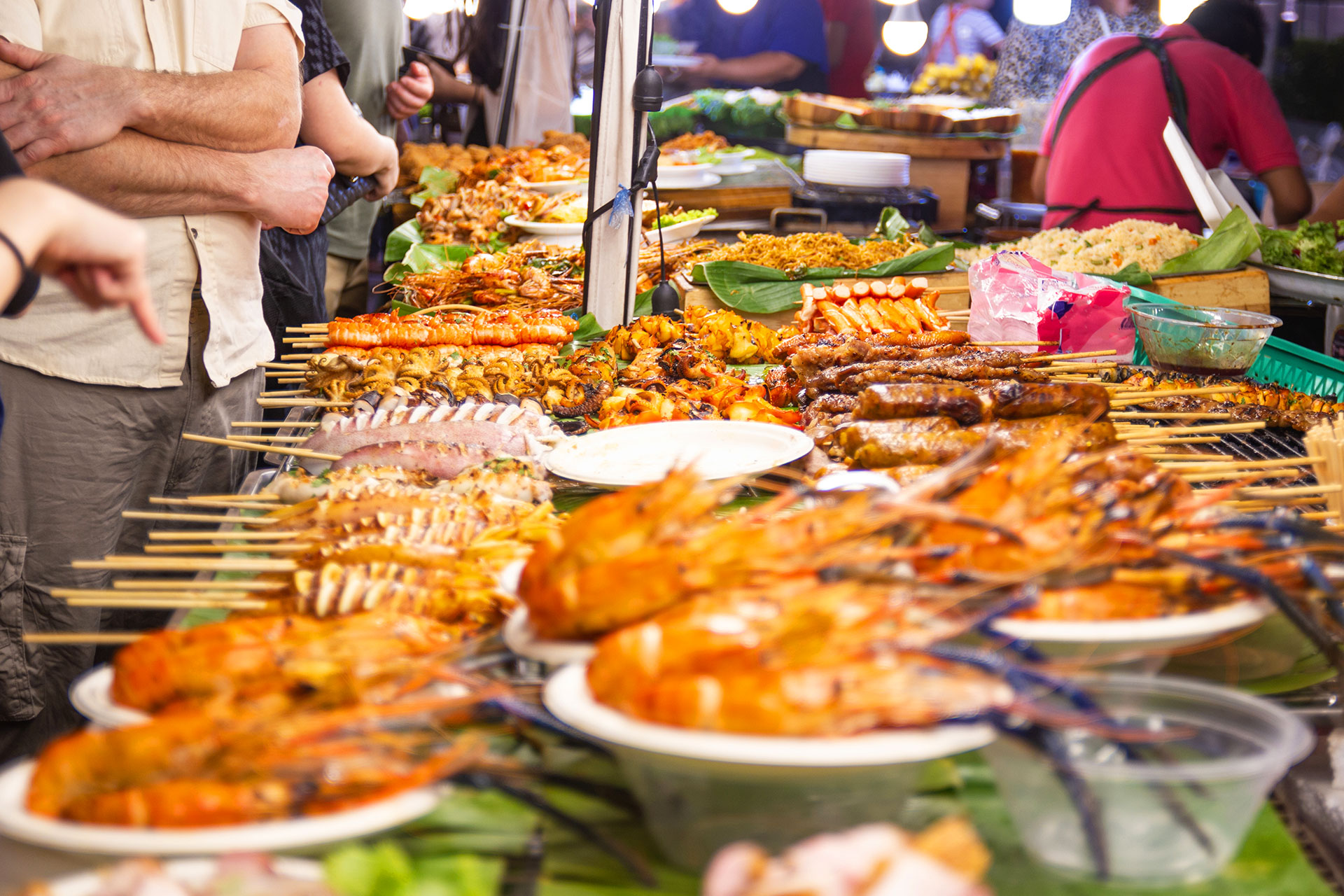
Street food is fast, loud, and full of life. At home, we copy its spirit with high heat, short cooks, and punchy toppings. We use simple gear and smart prep to hit those flavors.
The key habits are the same worldwide. Cook hot and fast. Season in layers. Keep textures in mind. When people ask How to Cook Street Food at Home, the real answer is this: plan well, then cook quick.
You do not need a cart or a flat-top. A cast-iron pan, a sheet pan, or an air fryer can get close. With a few sauces and a sharp knife, you can turn a Tuesday into a night market.
Essential Tools and Pantry for Street Food at Home
You can do a lot with a little. Aim for tools that hold heat and move food fast.
Tools I use and love:
- Cast-iron skillet or heavy stainless pan for hard sear
- Wok or wide sauté pan for stir-fries and noodles
- Sheet pan with rack for oven “fry” and drip control
- Grill pan or backyard grill for smoke and char
- Air fryer for crisp without deep oil
- Instant-read thermometer for safe temps
- Tongs, bench scraper, skewers, and squeeze bottles
Core pantry that pays off:
- High-heat oils like peanut, canola, or rice bran
- Acid hits: lime, lemon, vinegar, tamarind, and yogurt
- Salty umami: soy sauce, fish sauce, gochujang, miso, anchovy paste
- Heat: chili flakes, bird’s eye chilies, sriracha, harissa
- Herbs: cilantro, mint, scallions, dill
- Crunch: toasted peanuts, sesame seeds, pickled onions, fried shallots
- Starches: rice, rice noodles, tortillas, bao, buns, potatoes
These basics support How to Cook Street Food at Home without stress. Stock once, cook many styles.

Flavor Builders: Sauces, Spices, and Toppings
Great stalls win with sauces and crunch. Make a few bases and keep them cold in squeeze bottles.
Quick sauces I batch on Sundays:
- Sweet-heat glaze: 2 parts soy, 2 parts honey, 1 part rice vinegar, chili to taste
- Tangy crema: yogurt, lime, garlic, and a pinch of salt
- Green chutney: cilantro, mint, green chili, lime, and a touch of sugar
- Garlic mayo: mayo, grated garlic, lemon, and a splash of water to thin
- Tamarind drizzle: tamarind paste, warm water, jaggery or brown sugar, and salt
Dry spice mixes to rub or finish:
- Taco blend: chili powder, cumin, smoked paprika, oregano, garlic powder
- Shawarma spice: cumin, coriander, paprika, turmeric, cinnamon
- Street corn dust: tajín or chili-lime mix with extra lime zest
Toppings to fix texture:
- Fresh: slaw, herbs, tomatoes, cukes, radish
- Crunch: crushed chips, chicharrón, peanuts, sesame, puffed rice
- Pickles: quick onions, jalapeños, daikon, carrot
This is how to lock in layers and keep bites bright. It is also a core part of How to Cook Street Food at Home because sauce and texture turn simple meat or veg into event food.
Core Techniques You Can Do at Home
Street food is more technique than recipe. Nail these moves and swap flavors as you like.
High-heat sear
- Preheat the pan until it just smokes.
- Pat meat or tofu dry so it browns, not steams.
- Do not crowd the pan. Work in batches.
Deep-fry or air-fry
- Use 350–375°F oil for crisp exteriors.
- For air fryers, mist with oil and flip once.
- Drain on a rack so you keep crunch.
Grill and char
- Heat grill pan until very hot.
- Dry rub first, glaze late to avoid burn.
- Rest protein a few minutes before slicing.
Stir-fry and noodle toss
- High heat, fast moves, small batches.
- Aromatics first, then protein, then veg, then sauce, then noodles.
- Finish with acid and herbs.
Steam and griddle
- Steam buns or dumplings over simmering water, not boiling hard.
- For jianbing-style crepes, use a nonstick pan and thin batter.
When people learn How to Cook Street Food at Home, they see that heat control and order of steps matter more than fancy tools.

Step-by-Step: Five Iconic Street Foods, Simplified
Here are five tested builds that fit weeknights. I’ve cooked each many times in small spaces.
1) Mexican Street Corn (Elote or Esquites)
Serves 4, 15 minutes
- Grill or air-fry 4 ears of corn until charred.
- Mix 1/3 cup mayo, 1/3 cup sour cream, lime juice, chili-lime spice, and salt.
- Slather, then top with cotija, cilantro, and extra lime. For esquites, cut kernels into a bowl and mix.
Pro tip: If no grill, char corn over a gas flame with tongs. Works fast.
2) Chicken Shawarma Wraps (Sheet Pan)
Serves 4, 30 minutes
- Toss 1.5 lb sliced chicken thighs with shawarma spice, salt, garlic, lemon, and olive oil.
- Roast at 450°F on a rack for 18–22 minutes. Broil 1–2 minutes to char edges.
- Wrap in pita with slaw, pickles, and garlic mayo.
Food safety note: Cook chicken to 165°F.
3) Pad Thai, Weeknight Style
Serves 3–4, 20 minutes
- Soak 8 oz rice noodles until just pliable. Drain.
- Stir-fry garlic, shallot, and shrimp or tofu. Push aside. Scramble 2 eggs.
- Add noodles and sauce (tamarind, fish sauce, palm or brown sugar). Toss. Finish with lime, peanuts, sprouts, and scallions.
Watch the noodles. They should be tender with a slight bite.
4) Falafel Pitas (Air Fry or Pan)
Serves 4, 30 minutes
- Pulse canned chickpeas (drained well), onion, garlic, herbs, cumin, coriander, salt, and flour until coarse.
- Chill 15 minutes. Form balls. Air-fry at 400°F for 12–14 minutes, or shallow fry.
- Serve with tahini sauce, tomatoes, cukes, and pickled onions.
Dry mix is key. Wet batter falls apart.
5) Korean Corn Dogs (Crispy Batter)
Makes 6, 25 minutes
- Skewer hot dogs or mozzarella sticks.
- Make a thick batter: flour, baking powder, sugar, salt, milk, egg. Dredge, then roll in panko or diced fries.
- Fry at 350°F until golden. Dust with sugar. Drizzle ketchup and mustard.
These builds show How to Cook Street Food at Home with gear you own. Swap proteins, sauces, and toppings to fit your taste.
Smart Prep, Timing, and Batch Cooking
The line at a good stall moves because prep is tight. Copy that at home.
My flow for a fast street night:
- Make sauces and pickles a day ahead.
- Cut veg and herbs. Store damp in the fridge.
- Marinate protein in the morning.
- Preheat pans and heat oil before guests arrive.
- Cook in small batches and serve hot.
You can freeze cooked meats, bao, or falafel for later. Reheat hot and fast to keep texture. This is the backbone of How to Cook Street Food at Home for busy weeks.

Sourcing, Budget, and Substitutions
Great street food uses smart, cheap cuts and bold flavor. Shop like a vendor.
Good buys that shine:
- Chicken thighs over breasts for juicy wraps
- Pork shoulder for tacos or skewers
- Firm tofu and tempeh for grill and fry
- Cabbage, carrots, onions for slaw and crunch
- Day-old bread for banh mi or crouton crunch
Easy swaps:
- No cotija? Use feta.
- No tamarind? Mix lime and a touch of brown sugar.
- Gluten-free? Use corn tortillas, rice noodles, or lettuce wraps.
Knowing swaps makes How to Cook Street Food at Home more flexible and affordable.
Safety, Health, and Sustainability
Vendors work clean and fast. Do the same at home.
Food safety checks:
- Keep raw and cooked items apart.
- Use a thermometer: 165°F poultry, 160°F ground beef, 145°F fish.
- Cool leftovers within two hours.
Oil and smoke:
- Use high-heat oils to avoid bitter smoke.
- Do not reuse dark or foamy oil. Strain once, store cool, and discard when off.
Lighter spins:
- Air fry instead of deep fry.
- Pile on herbs and pickles for flavor without extra fat.
- Balance plates with veg sides or slaws.
These habits make How to Cook Street Food at Home tasty and safe.

Common Mistakes and How to Fix Them
I learned these the hard way in a tiny apartment kitchen.
Crowding the pan
- Result: Steamed meat and no browning.
- Fix: Cook in batches. Preheat longer.
Soggy fries or fritters
- Result: Pale and limp.
- Fix: Oil too cool. Aim for 350–375°F. Drain on a rack.
Flat flavors
- Result: Salty but dull.
- Fix: Add acid and heat at the end. Use lime, vinegar, or chili.
Overcooked noodles
- Result: Gummy tangle.
- Fix: Soak to just pliable. Finish in the pan with sauce.
Dry skewers
- Result: Tough bites.
- Fix: Use thighs, not breasts. Marinate. Do a quick hot cook and rest.
Avoid these, and How to Cook Street Food at Home gets much easier.
Sample Menus and Timelines for Home Street Night
You can host a global stall tour in one hour. Here are two sets.
Weeknight quick set (40 minutes)
- Pad Thai
- Cucumber-herb salad
- Mango slices with chili-lime salt
Plan:
- Soak noodles first.
- Stir-fry while you chop salad.
- Plate, top with herbs and peanuts, and eat hot.
Party platter set (70 minutes)
- Chicken shawarma wraps
- Street corn
- Falafel with tahini
- Pickles and slaw bar
Plan:
- Make sauces and pickles a day early.
- Roast shawarma while corn cooks.
- Air-fry falafel at the end. Set out a topping bar.
This plan-first approach is central to How to Cook Street Food at Home for groups.
Frequently Asked Questions of How to Cook Street Food at Home
What is the easiest street food to start with?
Street corn, tacos, and stir-fried noodles are great first steps. They need simple tools and short cook times.
Can I make street food if I have no grill?
Yes. Use a cast-iron pan or a broiler to mimic char. A grill pan also adds nice marks and smoke.
How do I keep fried food crispy?
Fry at 350–375°F and drain on a rack, not paper towels. Serve right away or re-crisp in a hot oven.
What are good vegetarian options?
Falafel, paneer tikka, tofu satay, and spicy potato chaat shine. Load them with herbs, pickles, and sauces.
How can I reduce oil without losing flavor?
Air fry, oven-bake on a rack, and finish with bright sauces. Acid, heat, and fresh herbs give the “wow” without extra fat.
What sauces should I keep on hand?
Keep chili crisp, sriracha, soy, fish sauce, and a yogurt-lime crema. These cover heat, acid, salt, and cream.
How do I scale for a party?
Prep sauces, pickles, and slaws ahead. Cook proteins in batches and keep warm in a low oven.
Conclusion
You now have the tools, sauces, and steps to turn your kitchen into a small street stall. Start with one recipe, use high heat, and finish bold with acid and crunch. Learn the rhythm once, and you can swap flavors around the world.
Set a date this week, pick a menu, and try one new sauce. Share your wins and tweaks, and keep building your own stall style. Want more ideas? Subscribe for weekly menus, or drop a comment with your favorite street bite.