Cooking homemade noodles is easy: mix flour and eggs, knead, rest, roll, cut, and boil.
I have spent years making and teaching homemade noodles in my kitchen and small classes. I know how to cook homemade noodle from dough to dinner. This guide explains every step with clear tips, real mistakes I made, and easy fixes. You will get hands-on recipes, tools, and serving ideas so you can cook homemade noodle with confidence.
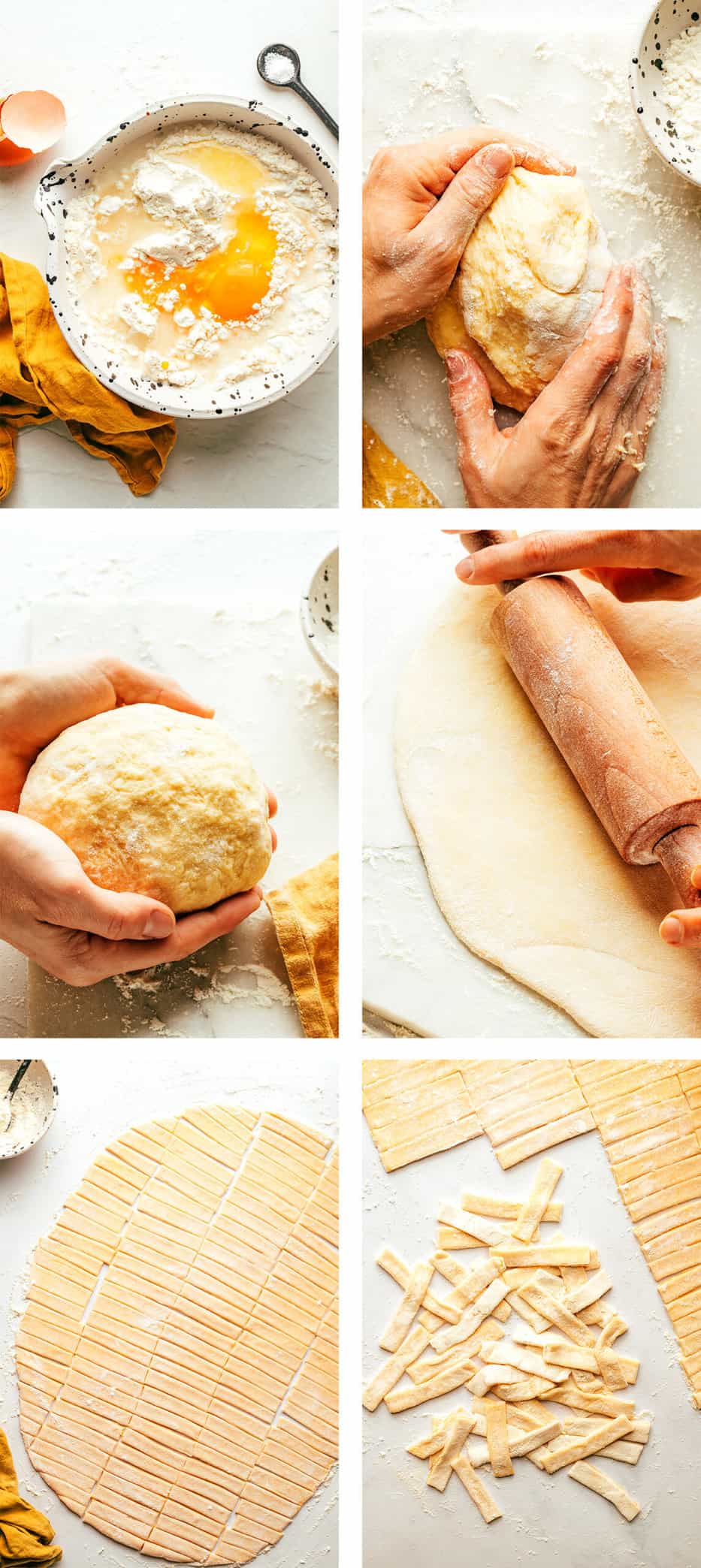
Why make homemade noodles?
Making homemade noodles gives you fresh taste and full control of ingredients. You can change texture, size, and flavor. Homemade noodles are cheaper than store-bought artisan types and often healthier. Learning how to cook homemade noodle boosts your kitchen skills and makes meals more satisfying.

Ingredients and tools you need
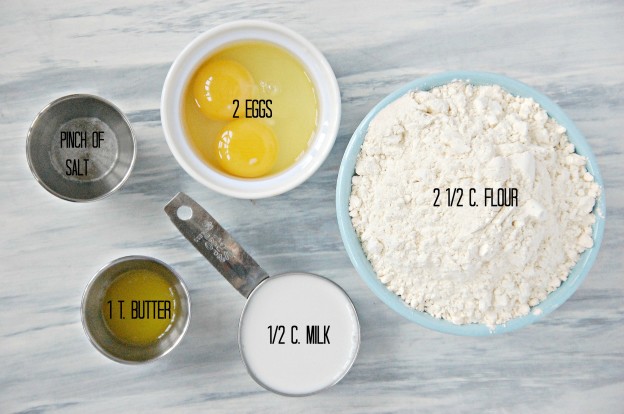
Start with a short list. Keep tools simple.
- 2 cups all-purpose flour or bread flour for a chewier bite.
- 2 large eggs, or 1 egg + 1/4 cup water for eggless versions.
- 1/2 teaspoon salt.
- 1 tablespoon oil (optional) for silkier dough.
- Bench scraper, rolling pin, or pasta machine.
- Sharp knife or pasta cutter and a clean work surface.
I often swap half the flour for semolina for a toothier noodle. Measure by weight when possible for repeatable results.
Step-by-step basic dough recipe
Follow these steps to make a classic dough and learn how to cook homemade noodle right from the start.
- Make a well of flour on a clean counter. Add salt and crack eggs into the center.
- Use a fork to whisk eggs, then slowly draw in flour until a shaggy dough forms.
- Knead for 8–10 minutes until smooth and elastic. If dough is too dry, add a teaspoon of water at a time.
- Cover and rest 20–30 minutes. Rest lets the gluten relax and makes rolling easier.
- Roll thin and cut to shape, or pass through a pasta machine, then dust with flour to prevent sticking.
Tip: For quick mixing, use a bowl and a spoon or a stand mixer with a dough hook. The steps above show how to cook homemade noodle from scratch in a reproducible way.
Rolling, shaping, and cutting techniques
How you shape noodles changes the final dish. Try these methods.
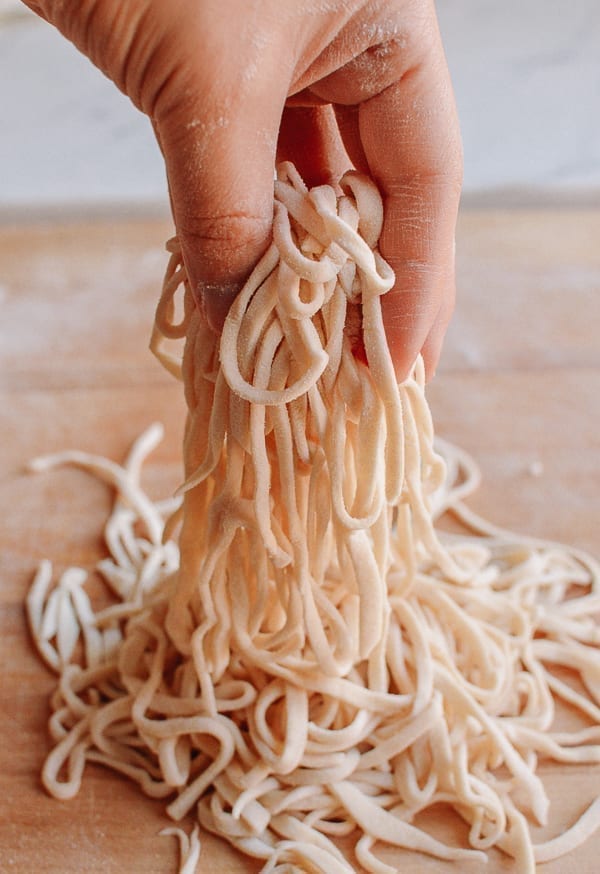
- Hand-rolled: Flatten dough with a rolling pin then fold and slice for rustic ribbons.
- Pasta machine: Start on the widest setting and pass dough while reducing thickness gradually.
- Knife-cut: Roll dough into a sheet, dust, then slice with a sharp knife for wide noodles.
- Other shapes: Use a ravioli cutter, udon cutter, or shape by hand for egg noodles, fettuccine, or thin strands.
My tip: Keep dough covered while shaping to avoid drying. Practice makes rolling easier and faster.
How to cook homemade noodle
Cooking is quick and simple. Fresh noodles need far less time than dried.
- Bring a large pot of water to a rolling boil. Add 1–2 teaspoons salt per quart.
- Add fresh noodles, stir gently to separate, and boil 1–4 minutes depending on thickness.
- Taste a noodle to check doneness. It should be tender but slightly firm to the bite.
- Drain and toss with a little oil or sauce right away to stop sticking.
If you are unsure how to cook homemade noodle perfectly, start timing at one minute for thin noodles and at three minutes for thicker cuts. Reserve some cooking water to loosen sauces.

Sauces, pairings, and serving ideas
Noodles are a canvas. Match texture to sauce.
- Light oil or garlic sauces work well with thin egg noodles.
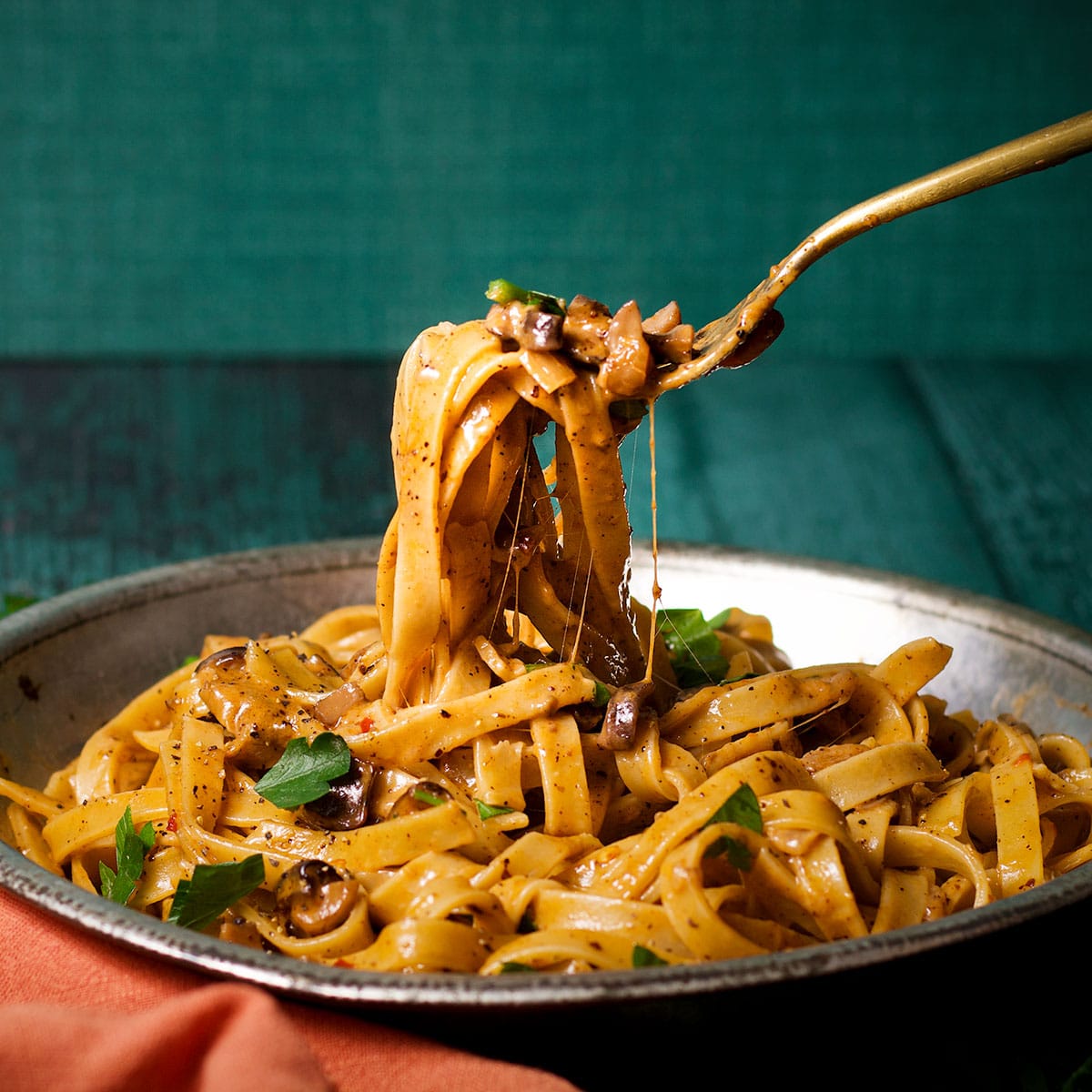
- Rich ragù or mushroom sauces pair with thick, chewy noodles.
- For Asian-style bowls, use a soy-based broth, fresh herbs, and sesame oil.
- Simple butter and parmesan is great for new noodle makers.
Serve noodles immediately for best texture. Add fresh herbs, citrus zest, or toasted seeds to brighten flavors.

Storage, freezing, and food safety
Store and handle noodles safely to keep quality high.
- Fresh uncooked noodles: refrigerate up to 2 days in an airtight container.
- Cooked noodles: keep in the fridge for 3–4 days in shallow containers.
- Freeze for longer storage: flash-freeze cut dry noodles on a tray, then bag for up to 2 months.
- Thaw frozen noodles briefly and cook in boiling water a minute or two, or reheat in sauce.
Always use clean hands and surfaces to avoid contamination. Mark dates on packages so you know how long they last.

Troubleshooting and quick answers
Simple fixes make big differences.
- Sticky dough: Add small amounts of flour and knead briefly. Let it rest.
- Tough noodles: You over-kneaded or rolled too thin. Let dough rest longer next time.
- Noodles fall apart: Use less water and ensure proper kneading. Chill dough before cutting.
How long do fresh noodles take to cook? Fresh noodles usually cook in 1–4 minutes depending on thickness.
What if my noodles stick together? Toss them lightly with oil or use more water and a quick stir when boiling.
From my tests, patience with resting and simple flour ratios are the keys to success when you learn how to cook homemade noodle.

Frequently Asked Questions of How to Cook Homemade Noodle
What flour is best for homemade noodles?
All-purpose flour works well for tender noodles. For chewier texture, use bread flour or add some semolina.
Can I make noodles without eggs?
Yes. Use water and a bit more oil or a small amount of xanthan gum for binding. Eggless noodles are common in many cuisines.
How do I prevent noodles from sticking after cutting?
Dust cut noodles with flour or semolina and spread them in a single layer. Toss with a touch of oil if you store them before cooking.
Can I dry homemade noodles like store-bought ones?
You can air-dry noodles on racks for several hours to a day depending on humidity. Fully dry noodles store longer but will change texture.
How do I reheat leftover cooked noodles?
Reheat gently in a pan with sauce or briefly in boiling water for 30–60 seconds. Microwave works but may dry them out.
Should I salt the dough or the cooking water?
Salt the cooking water to season noodles. You can add a pinch of salt to dough, but most seasoning comes from the sauce and water.
Can I freeze raw dough or shaped noodles?
Yes. Freeze shaped noodles on a tray, then bag them. Freeze raw dough wrapped tightly for up to 2 months and thaw before rolling.
Conclusion
Making and learning how to cook homemade noodle is a rewarding skill you can use every week. You now know the basic dough, shaping methods, cooking times, and fixes for common problems. Try one recipe, note what changes you make, and repeat to improve. Start today by making a small batch, experiment with a sauce you love, and share the results with friends or family. Leave a comment below with your favorite noodle shape or question, and subscribe for more simple, tested kitchen tips.