Toast rice, sauté aromatics, simmer in broth, then rest and fluff for perfection.
If you’ve ever wondered how to cook rice pilaf with restaurant-level results, you’re in the right place. I’ve tested the pilaf method in home kitchens and in busy pro settings, and I’ll show you simple steps that never fail. Follow this guide to master how to cook rice pilaf so each grain is tender, separate, and full of flavor.
What Is Rice Pilaf and Why It Works
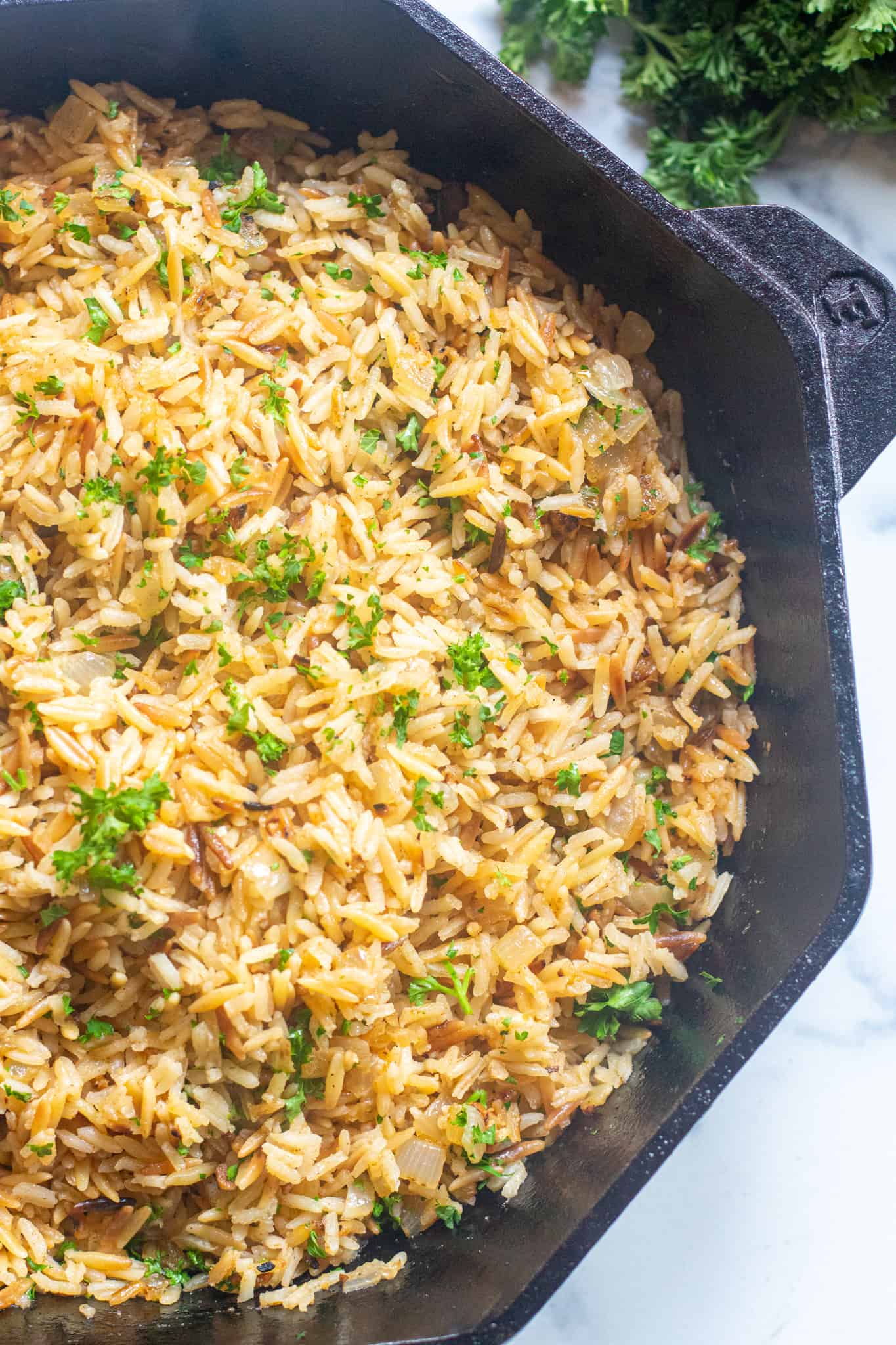
Rice pilaf is a simple method that builds flavor first, then locks in steam to cook the grains. You toast the rice in fat with onions or shallots. You add warm stock, bring it to a gentle simmer, cover, and let heat and steam finish the work.
This method coats each grain with fat. That slows starch release and helps rice cook fluffy, not sticky. It is forgiving, flexible, and fast. Once you learn how to cook rice pilaf, you can flavor it any way you like.
Ingredients and Ratios
Great pilaf starts with the right ingredients and a smart liquid ratio. Here is a reliable base.
- Long-grain white rice or basmati rice
- Unsalted butter or olive oil
- Finely chopped onion or shallot
- Garlic, minced
- Warm chicken, vegetable, or beef broth
- Fine sea salt and black pepper
- Bay leaf or a small sprig of thyme
- Optional mix-ins: peas, toasted nuts, dried fruit, herbs, lemon zest
Use these reliable ratios when you plan how to cook rice pilaf.
- Long-grain white rice: 1 cup rice to 1.75 cups broth
- Basmati rice: 1 cup rice to 1.5 cups broth (rinse well)
- Jasmine rice: 1 cup rice to 1.5–1.6 cups broth (rinse well)
- Brown basmati: 1 cup rice to 2 cups broth (longer cook time)
Season the broth so it tastes good on its own. When the liquid tastes right, the pilaf will shine.
:max_bytes(150000):strip_icc()/__opt__aboutcom__coeus__resources__content_migration__simply_recipes__uploads__2007__03__rice-pilaf-vertical-2-1600-b662f9f687864c49be2bdb9623bca1a5.jpg)
Tools You Need
The right pot matters when you learn how to cook rice pilaf.
- Heavy pot with a tight lid
- Fine-mesh strainer for rinsing
- Measuring cups and spoons
- Small skillet for toasting nuts or spices
- Fork for fluffing
A heavy pot holds steady heat. A tight lid keeps steam in. That is how to cook rice pilaf with fluffy grains every time.

Step-by-Step: How to Cook Rice Pilaf on the Stove
I use this base method when I teach new cooks how to cook rice pilaf. It is simple and consistent.
- Rinse the rice. Rinse in cool water until mostly clear. Drain very well.
- Warm the broth. Heat it in a small pot until hot, not boiling.
- Sauté aromatics. Melt butter or warm oil over medium heat. Add onion and a pinch of salt. Cook until soft and sweet, about 3–4 minutes. Add garlic for 30 seconds.
- Toast the rice. Add rice. Stir until the grains look opaque and smell nutty, about 2–3 minutes.
- Deglaze and season. Pour in hot broth. Add salt, pepper, and bay leaf. Stir once to even out the rice.
- Simmer and cover. Bring to a gentle simmer. Cover. Turn heat to low. Cook 15–18 minutes for long-grain white or basmati.
- Rest off heat. Turn off the heat. Keep covered for 10 minutes. This rest finishes steaming and sets the texture.
- Fluff and finish. Discard bay. Fluff with a fork. Fold in herbs, lemon zest, or peas if you like. Taste and adjust salt.
Chef tips from my kitchen tests:
- Keep the simmer gentle. Bubbles should be small and steady.
- Do not open the lid while cooking. You lose steam and risk uneven texture.
- If the bottom browns too fast, slide the pot off the burner for a minute, then return on lower heat.
This is the core of how to cook rice pilaf: toast, simmer, rest, and fluff.
Variations and Flavor Ideas
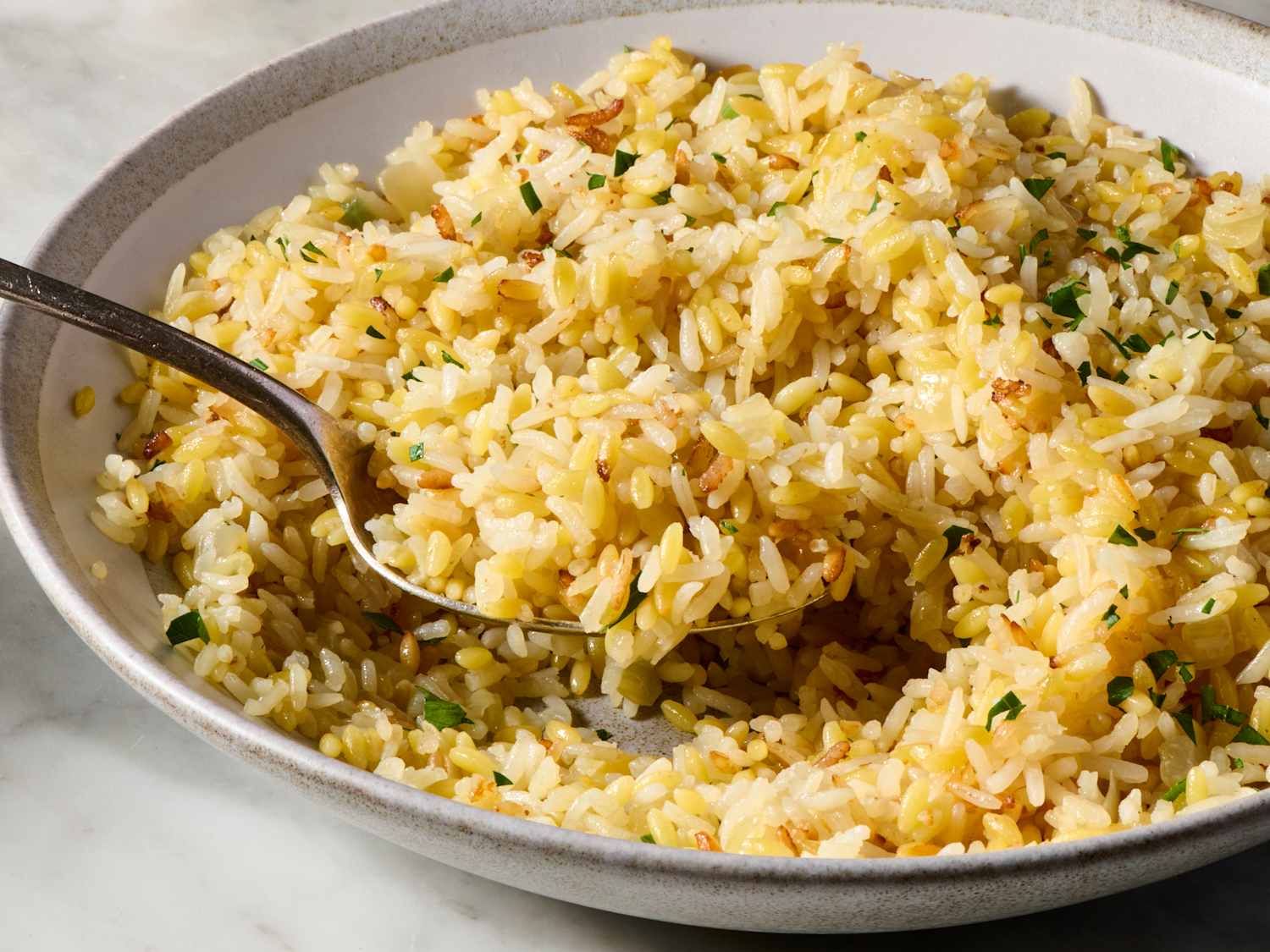
Once you learn how to cook rice pilaf, try these easy builds.
- Classic herbed: Parsley, dill, and lemon zest
- Mushroom: Sauté sliced cremini with thyme before toasting rice
- Middle Eastern: Add cumin, cinnamon, and toasted almonds with golden raisins
- Mediterranean: Stir in olives, sun-dried tomatoes, and oregano
- Spring green: Fold in peas, scallions, and mint at the end
- Saffron: Bloom a pinch of saffron in hot broth for color and aroma
- Nutty crunch: Top with toasted pine nuts, pistachios, or pecans
Keep the base method. Swap spices, herbs, and mix-ins to fit any menu. That is the joy of how to cook rice pilaf at home.
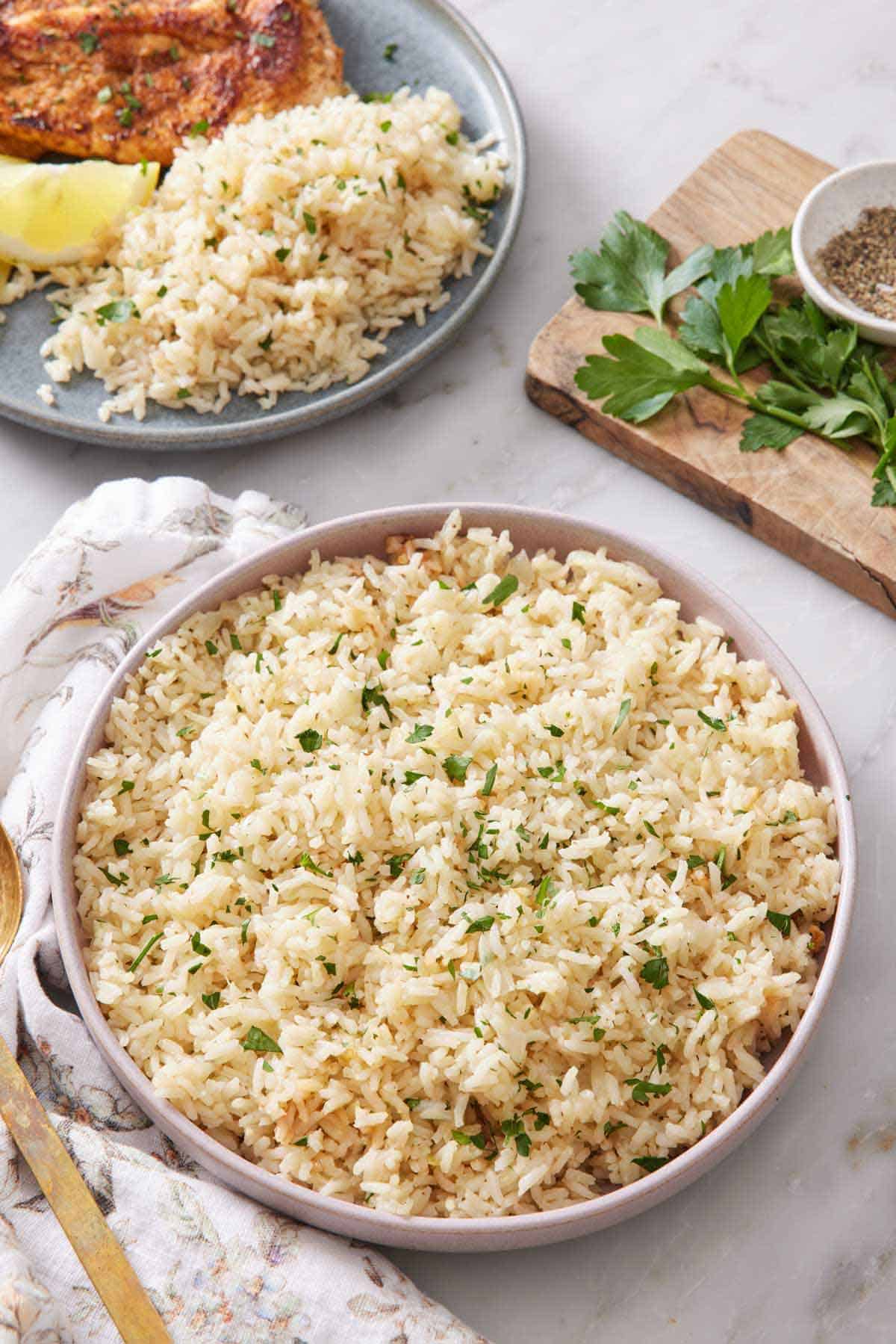
Troubleshooting and Fixes
If you hit bumps while learning how to cook rice pilaf, use these fixes.
- Mushy rice: Too much liquid or overcooked. Next time, reduce liquid by a few tablespoons. Stop the simmer when liquid is absorbed.
- Sticky or clumpy rice: Rinsing was skipped or stirring was too much. Rinse well. Stir only once after adding broth.
- Undercooked centers: Not enough liquid or heat too low. Sprinkle 2–4 tablespoons hot broth, cover, and steam on low for 3–5 minutes. Rest again.
- Scorched bottom: Heat too high. Use a heavier pot and the lowest steady simmer.
- Bland flavor: Broth was weak. Salt the aromatics early. Taste the hot broth before adding it.
Small changes make a big difference. Track your ratio, pot size, and heat level as you refine how to cook rice pilaf on your stove.
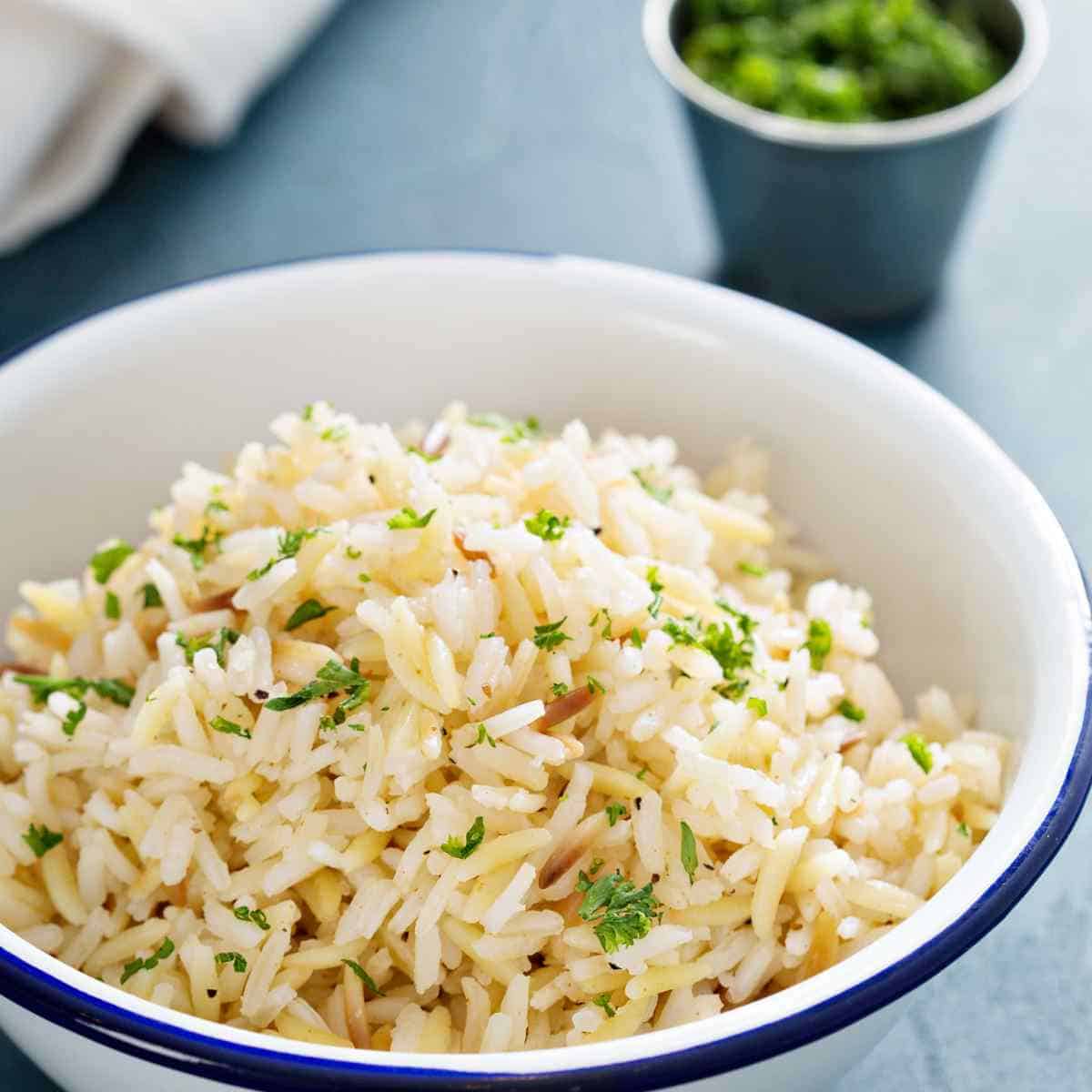
Make-Ahead, Storage, and Reheating
Rice pilaf is great for meal prep once you know how to cook rice pilaf well.
- Cool fast. Spread on a sheet pan and cool within 2 hours.
- Store. Keep in a sealed container in the fridge for up to 4 days.
- Freeze. Chill first, then freeze in flat bags for up to 2 months.
- Reheat. Add a splash of broth. Cover and warm on low, or microwave covered until steaming hot. Aim for 165°F in the center.
- Refresh. Fluff and finish with fresh herbs or a squeeze of lemon.
Always reheat only what you need. Return leftovers to the fridge fast. These simple habits keep your pilaf safe and tasty.
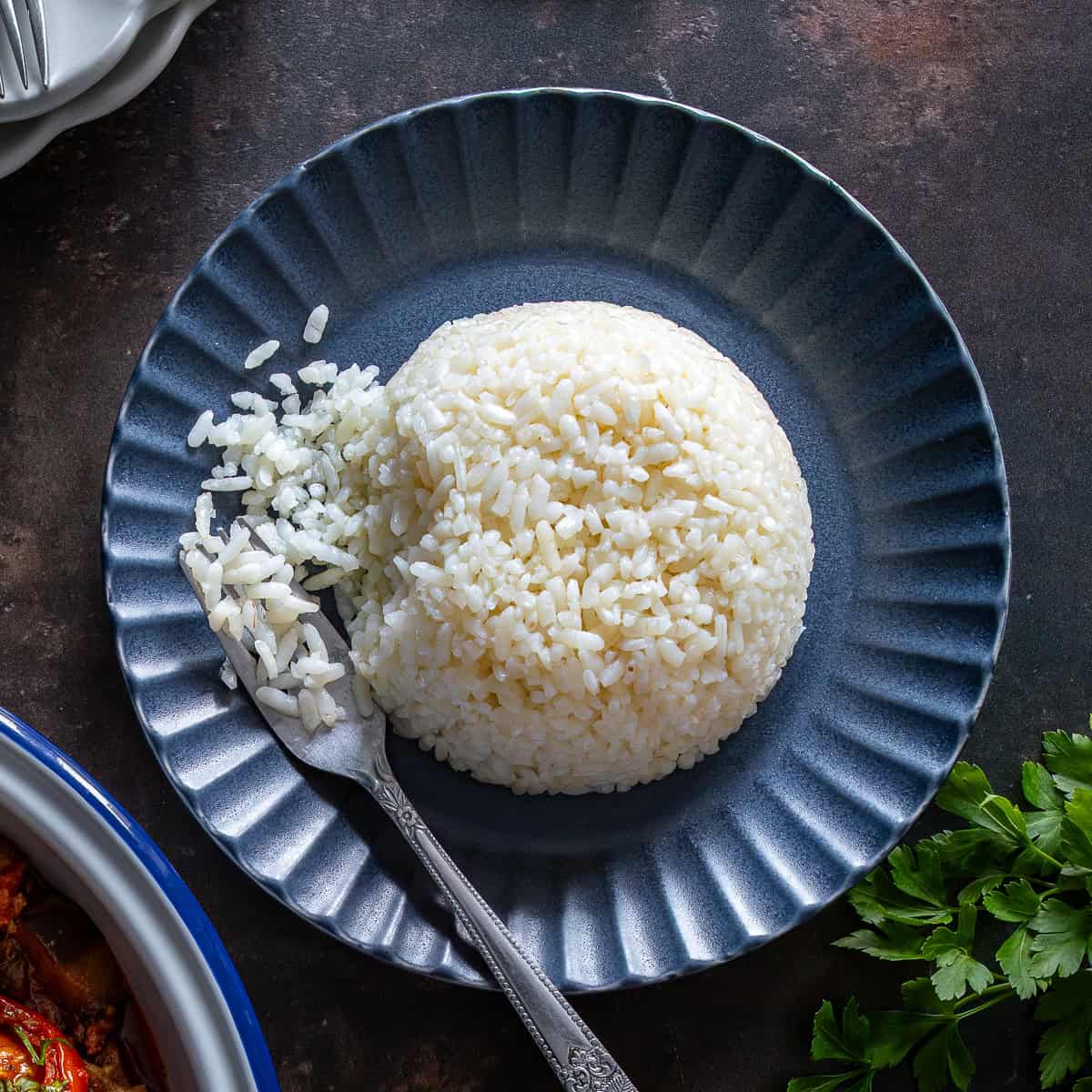
Nutrition and Pairings
Pilaf gives you complex carbs, some fat, and a base for add-ins. Use olive oil for heart-healthy fat. Stir in peas or edamame for extra protein. Nuts add crunch and minerals. If you track sodium, season with care and use low-sodium broth.
Serve pilaf with roasted chicken, grilled fish, tofu skewers, or spiced vegetables. Add a bright salad or yogurt sauce on the side. Once you learn how to cook rice pilaf, building balanced plates becomes easy.
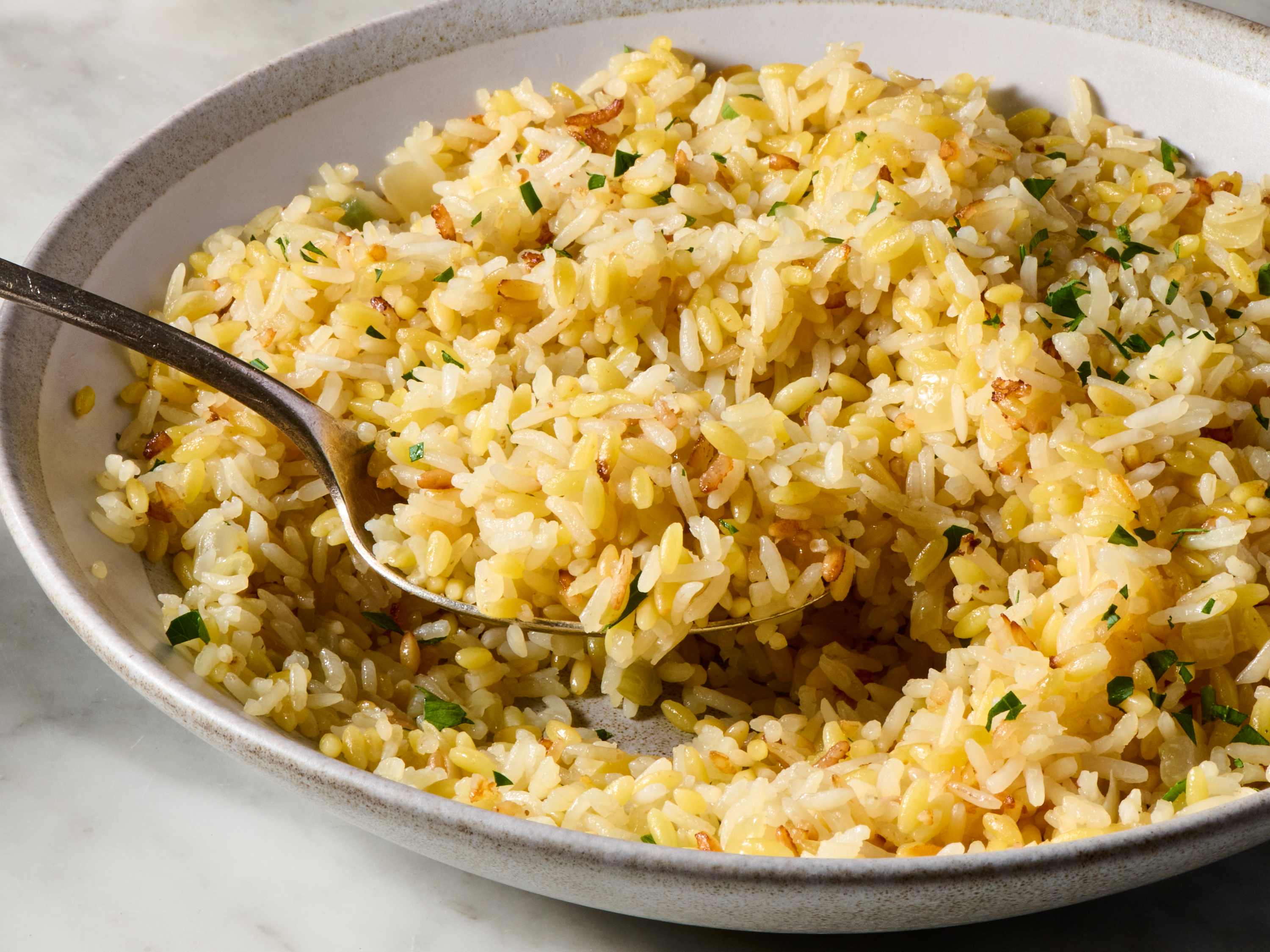
Frequently Asked Questions of How to Cook Rice Pilaf
What is the best rice for pilaf?
Long-grain white or basmati gives the fluffiest result. The grains stay separate and absorb flavor well.
Do you rinse rice for pilaf?
Yes, rinse until the water runs mostly clear. This removes extra starch and helps the pilaf stay light.
Can I make pilaf in an Instant Pot?
Yes. Sauté aromatics, toast rice, then cook at high pressure for 4 minutes with a 10-minute natural release. Use a 1:1.25 rice-to-broth ratio for white rice.
Why is my rice pilaf sticky?
It was not rinsed enough or was stirred too much after adding liquid. Rinse well and resist opening the lid or stirring while it cooks.
Can I use water instead of broth?
You can, but flavor will be lighter. If you use water, add more aromatics, salt, and herbs.
How do I scale pilaf for a crowd?
Use the same ratios and a wider pot to avoid a deep rice bed. Add 1–2 extra minutes for larger batches and rest well.
What vegetables work best in pilaf?
Peas, carrots, bell peppers, mushrooms, and scallions all work. Cook firm vegetables with the aromatics and fold tender ones in at the end.
Conclusion
You now know how to cook rice pilaf with confidence. Build flavor in the pot, keep the simmer gentle, rest the rice, then fluff and finish. With a steady method and a few smart ratios, you can turn simple grains into a standout side or a full meal.
Try the base recipe tonight, then test one new variation each week. Share your results, ask questions, or subscribe for more tested, home-cook-friendly guides.