Use fresh fish, acid marinades, gentle heat, and tight seals to trap odors.
You want to enjoy tender, flaky fish without your home smelling like a dock. I’ve cooked fish in tiny apartments, test kitchens, and open-plan homes, and I know how to cook fish without making it smell. In this guide, I will show proven methods backed by food science and real-world practice. You will get clear steps, smart tools, and chef-level tips you can use today.
The science behind fish smell and how to stop it
Fish smells when trimethylamine oxide (TMAO) breaks down into trimethylamine (TMA). That happens as fish ages, warms up, or cooks at high heat. TMA is volatile, so it spreads fast in the air. Acid turns TMA into a non-volatile salt, which helps reduce smell. Gentle heat also helps because fewer odor molecules escape.
Key points to remember:
- Very fresh or well-frozen fish smells far less because less TMA has formed.
- Acidic ingredients like lemon, vinegar, or yogurt can neutralize TMA on the surface.
- Lower heat and closed systems reduce vapor and keep odors contained.
Food safety groups and food science research support these basics. They point to quick chilling, good storage, and clean prep as the first line of defense. If you want a quick plan for how to cook fish without making it smell, keep it cold, work fast, add acid, and cook in a sealed setup.

Buy and store fish the smart way
Odor control starts at the market. Fresh fish smells like the ocean, not sour or fishy. Eyes should be clear. Flesh should bounce back when pressed. Fillets should look moist, not slimy.
How to shop and store right:
- Choose species known for mild smell. Think cod, haddock, halibut, tilapia, mahi-mahi, or farmed trout.
- Ask for fish packed on ice. If you buy frozen, get vacuum-sealed portions.
- Keep it cold on the way home with an insulated bag.
- Store on ice in the fridge. Set the fish on a rack over a tray of ice. Drain liquid so it does not sit in melt water.
- Use within 24 hours for most fish. For very delicate fish, cook the same day.
These steps matter. The lower the temperature, the slower TMA forms. Cold storage also protects texture and safety. This is a quiet but powerful step in how to cook fish without making it smell.
Prep moves that cut odor
Small prep choices make a big difference. Trim, dry, and season in ways that manage moisture and TMA.
Do this before you cook:
- Pat dry very well. Water on the surface creates steam that can spread odor.
- Remove dark bloodline on species like tuna or mackerel. That strip can smell stronger.
- Use a quick acid rinse. A 1-minute dip in cold water with a splash of lemon juice or rice vinegar can help. Pat dry again.
- Try a short marinade. Use lemon, lime, yogurt, or buttermilk for 10 to 20 minutes. Do not go too long or the fish turns soft.
- Salt early. A light, even salt 10 minutes before cooking helps draw moisture to the surface. Pat dry again, then cook.
From years of testing, the best bang-for-buck trick is a quick acid step. It is simple, fast, and it works. Cooks in professional kitchens use this daily to keep lines clean and the dining room fresh. If you ask me how to cook fish without making it smell, I start with this.

Low-odor cooking methods that work
Cooking method is the number one factor after freshness. You want heat that is gentle and a setup that traps steam and smells.
Best methods for low odor:
- En papillote. Seal fish in parchment with lemon, herbs, and a little oil. Bake at 400°F for 10 to 14 minutes. Odors stay in the packet.
- Poaching. Simmer fish in a covered pot of court bouillon, milk, or coconut milk. Keep heat low. Barely simmer, never boil.
- Sous vide. Seal fish in a bag and cook at low temp. Finish with a brief, covered sear if needed.
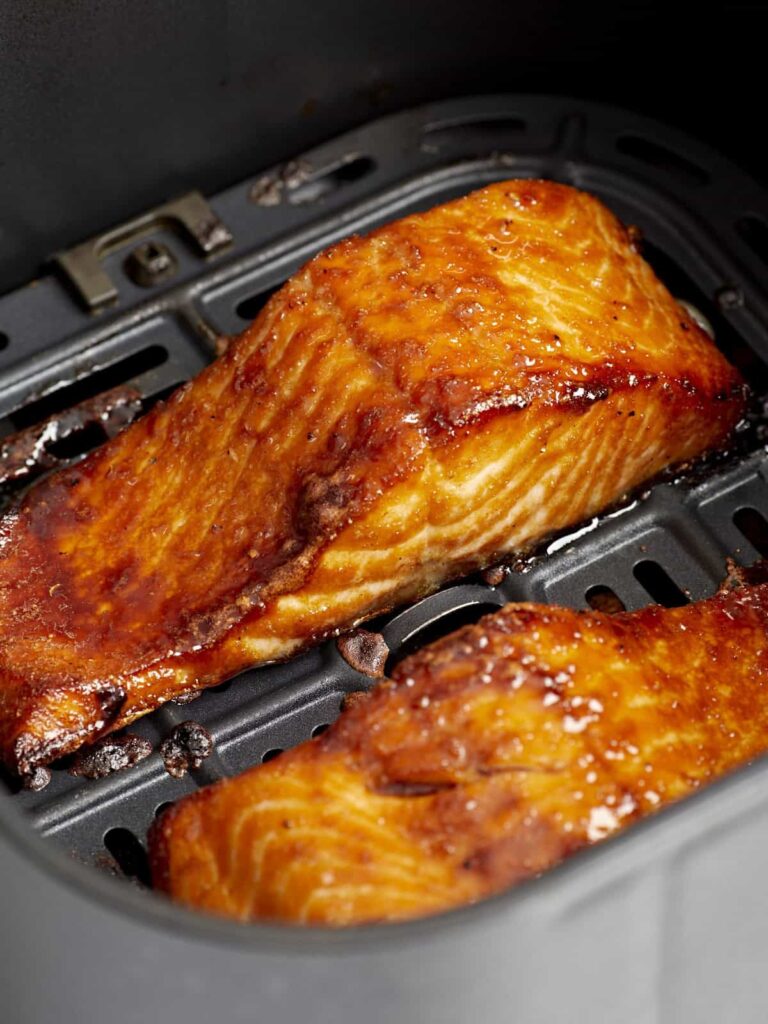
- Air fryer. It cooks fast, uses contained airflow, and reduces lingering smell. Line the basket and keep it closed when done for a minute.
- Covered bake. A lidded Dutch oven or a covered baking dish holds vapor and cuts odor spread.
Methods to limit:
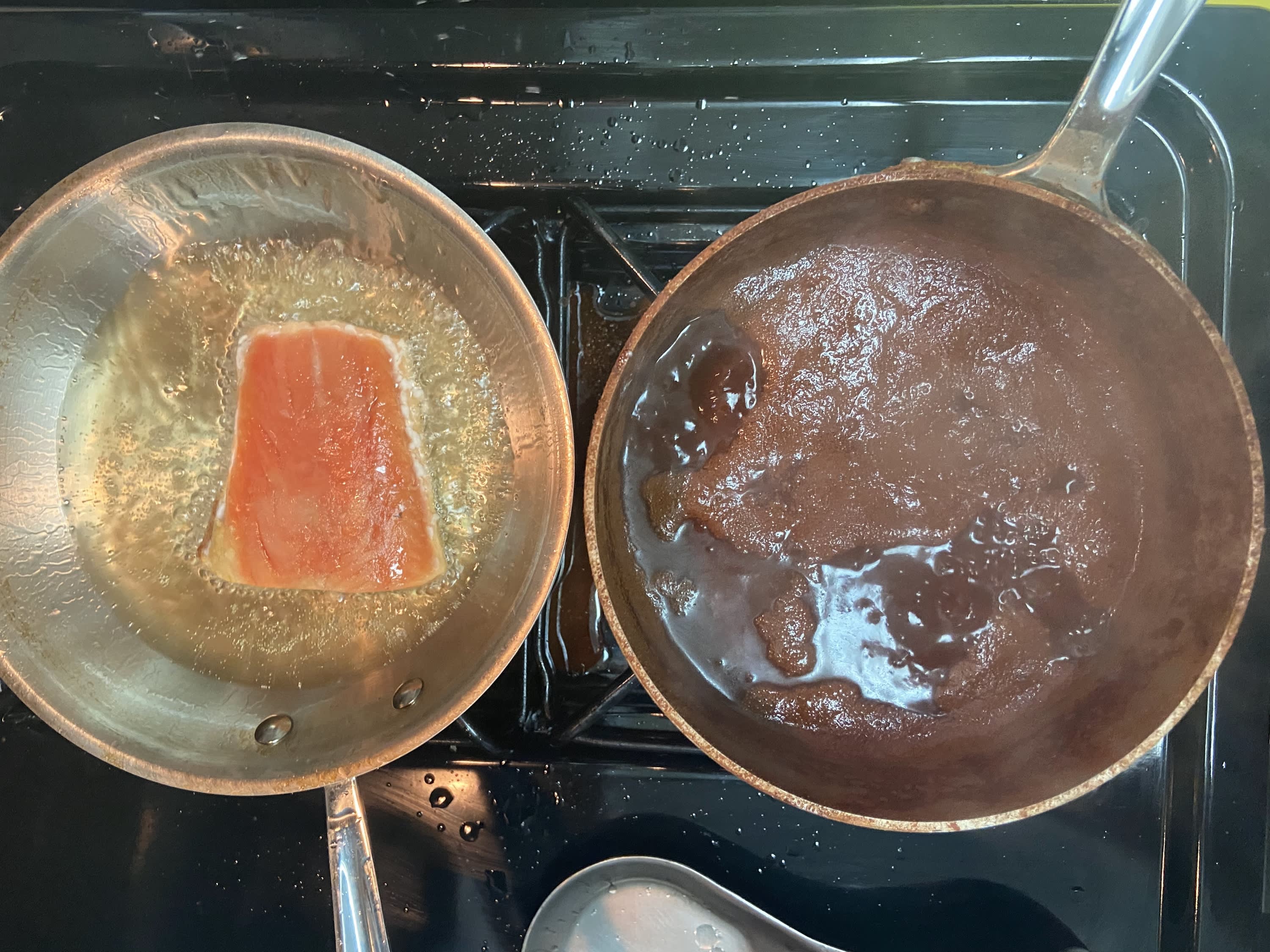
- Open pan sear. Delicious but it vents odor fast. If you sear, use a splatter screen and a lid between bastes. Vent well.
- Broil. High heat and open air can flood the room with smell.
If a reader asks me how to cook fish without making it smell, I suggest parchment or poaching first. They are foolproof and clean.

Aromatics, marinades, and flavor shields
Aromatics can mask smell, but the right ones also help neutralize TMA. Use acid and bold scents that blend well with seafood.
Great combos:
- Lemon, dill, and capers for cod or haddock
- Ginger, scallion, and soy for salmon or trout
- Lime, cilantro, and chili for mahi or snapper
- Yogurt, garlic, and turmeric for firm white fish
- Coconut milk, lemongrass, and lime leaves for halibut
Smart marinades:
- Keep it short. 10 to 20 minutes for fillets.
- Use acid plus salt. Aim for a squeeze of citrus and a pinch of salt.
- Balance with fat. A little olive oil or yogurt smooths sharp notes.
Scientific angle:
- Acids reduce volatile amines.
- Casein in dairy can bind odor compounds.
- Herbs rich in terpenes add pleasant aromas that rise faster than TMA.
These choices help you learn how to cook fish without making it smell while keeping flavor bright.

Tools and kitchen tactics that keep smells down
You do not need fancy gear, but a few tools help a lot. They lower splatter, hold in steam, and scrub air.
Tools to consider:
- Parchment sheets or silicone bags for sealed cooking
- A heavy lidded pan or Dutch oven
- Splatter screen and a snug lid
- Air fryer with a cleanable filter
- Countertop vent fan or a strong range hood
Room tactics that work:
- Close bedroom and closet doors before you cook.
- Turn on the vent and crack a window for crossflow.
- Set a small bowl of vinegar or coffee grounds near the stove to absorb odor.
- Empty the trash right after cooking.
I learned this the hard way in a tiny studio. Once, a quick open-pan salmon left my couch smelling like lunch for two days. The fix was simple: parchment packets, window open, bowl of coffee grounds on the counter. No smell. If you focus on how to cook fish without making it smell, these small habits are gold.

Three step-by-step plans for almost no smell
Here are my go-to workflows. Each one is tested in home kitchens with light ventilation.
Parchment-pack baked cod
- Heat oven to 400°F. Cut parchment into a large heart.
- Place cod, lemon slices, dill, salt, pepper, and a drizzle of oil on one side.
- Fold and crimp edges tight to seal.
- Bake 12 minutes for a 1-inch fillet. Rest 2 minutes before opening.
Why it works: Steam and smells stay in the packet. Open it at the table.
Gentle milk-poached salmon
- In a shallow pan, add milk, lemon peel, peppercorns, and bay.
- Slide in salmon. Liquid should just cover the fish.
- Heat until tiny bubbles form. Keep under a simmer.
- Cook 8 to 10 minutes. Lift out, season, and serve with herbs.
Why it works: Dairy proteins bind odors, and low heat limits vapor.
Air-fryer tilapia with citrus
- Pat fish dry. Brush with a mix of lemon juice, oil, and garlic.
- Line the basket. Cook at 375°F for 8 to 10 minutes.
- Let the basket sit closed for 1 minute before opening.
Why it works: Fast, contained airflow reduces spread. Acid adds a shield.
Each plan gives a clean path for how to cook fish without making it smell, even on a weeknight.

Clean up fast and leave no trace
Odors stick to pans, drains, and fabrics. A tight cleanup routine stops lingering smells.
Do this right after dinner:
- Deglaze hot pans with water and a splash of vinegar. Wipe, then wash.
- Run a kettle of hot water down the sink with a little baking soda.
- Take out the trash. Seal trimmings and skin in a bag first.
- Wipe counters with a vinegar and water mix.
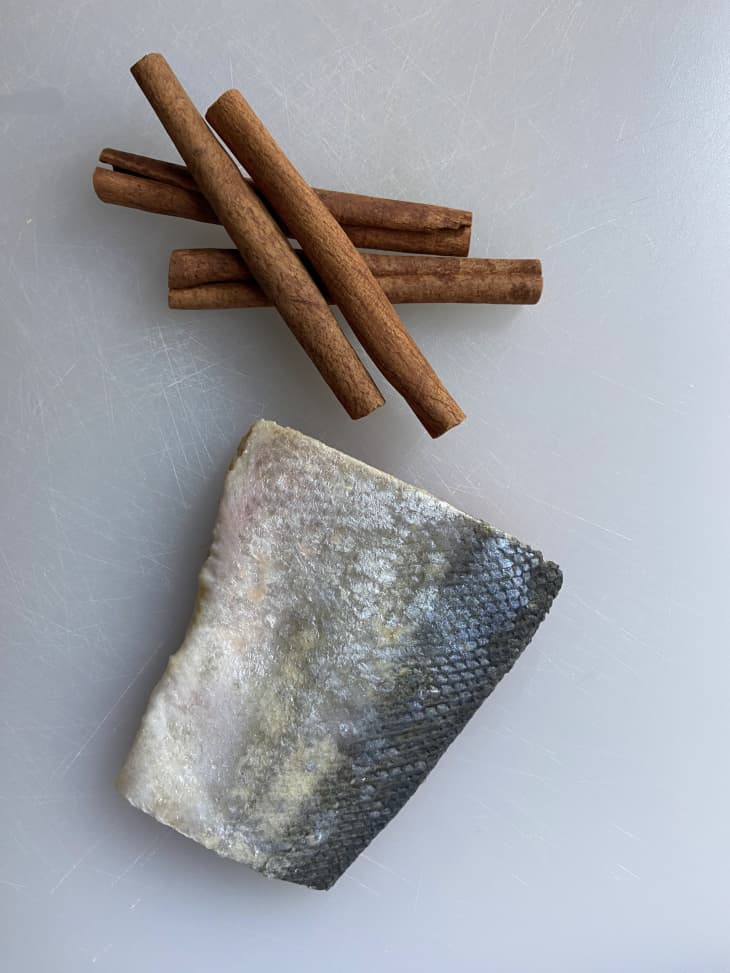
- Simmer a small pot of water with lemon peels or cinnamon sticks for 10 minutes.
Laundry tip:
- If your clothes caught smell, hang them near a window. A quick mist with diluted vodka or white vinegar can neutralize odors.
This last step is a quiet hero in how to cook fish without making it smell. It also leaves your kitchen guest-ready.
:max_bytes(150000):strip_icc()/gettyimages-98471689-2000-59405d1875aa4414ac887a10dfb4c0d1.jpg)
Safety, doneness, and common myths
Food safety guides say fish should reach 145°F at the thickest point. Many chefs pull rich fish like salmon at 120°F to 125°F for a tender center. If you go lower, use very fresh fish, clean prep, and serve at once. When in doubt, follow official guidance.
Myths to skip:
- Overcooking reduces smell. In truth, high heat often makes it worse.
- Rinsing under running water removes odor. It can spread bacteria. If you rinse, pat dry and sanitize the sink.
- Strong perfume candles solve it. They mask, not fix. Better to use acid, low heat, and sealed cooking.
Mastering how to cook fish without making it smell is about control, not tricks. Keep it cold, use acid, and manage steam.
Frequently Asked Questions of How to Cook Fish Without Making It Smell
Does soaking fish in milk really work?
Yes. Proteins in milk can bind odor compounds and mellow the scent. A 10 to 20-minute soak is enough, then pat dry.
What fish smells the least when cooked?
Mild white fish like cod, haddock, halibut, and tilapia tend to smell less. Very fresh or well-frozen fish of any kind will also smell less.
Is pan searing always smelly?
It can be if you cook open and hot. Use a splatter screen, a lid between bastes, and strong venting to cut odor.
Will lemon alone remove the fishy smell?
Lemon helps by neutralizing amines and adding fresh aroma. Combine it with gentle heat or a sealed method for best results.
Can I cook fish without smell in a small apartment?
Yes. Use parchment packets, poaching, or an air fryer. Vent early, keep doors closed, and clean up fast.
How long can I marinate fish in acid?
Keep it short, about 10 to 20 minutes. Longer times can make fish soft and change texture.
What is the best single tip for low-odor fish?
Cook in a sealed setup, like parchment or a covered dish. It traps steam and contains smells.
Conclusion
Fresh fish, smart prep, gentle heat, and sealed cooking give you clean, tasty results without the funk. If you remember nothing else about how to cook fish without making it smell, remember this: keep it cold, add acid, and trap steam. Build a quick cleanup habit and your kitchen will stay fresh.
Try one method tonight and note the difference. Share your favorite combo or ask a question in the comments. If this helped, subscribe for more easy, expert kitchen guides.