Start with a smart layout, generous storage, layered light, and inclusive details.
If you want to know how to create a kitchen everyone loves to use, you are in the right place. I have planned, built, and refreshed many kitchens, from tiny rentals to big family hubs. In this guide, I share what works in real life, backed by data and years on job sites. You will learn clear steps for how to create a kitchen everyone loves to use, with simple tips you can act on today.

Start with people and daily routines
Great kitchens begin with people, not products. Map a normal day in your home. Note where you prep, how you cook, and when guests show up. This helps you see pain points fast.
Try short, honest interviews at home. Ask what feels slow or messy. Check the fridge area at 6 p.m., the coffee spot at 7 a.m., and the sink at cleanup time. These moments show what to fix first.
Create user zones for each habit. A tea station with kettle, mugs, honey, and spoons. A kid snack drawer with cups, napkins, and crackers. A baking zone with flour, sugar, scale, and mixer. This is how to create a kitchen everyone loves to use because it fits daily life.
Plan an efficient layout and workflow
The layout is the base. Use the work triangle as a start. Keep the sink, cooktop, and fridge between 4 and 9 feet apart, each. Then adapt to your space with modern zones.
Give yourself room to move. Aim for 42 inches of aisle space for one cook. Go to 48 inches for two cooks. Allow 15 inches of landing space on each side of major appliances.
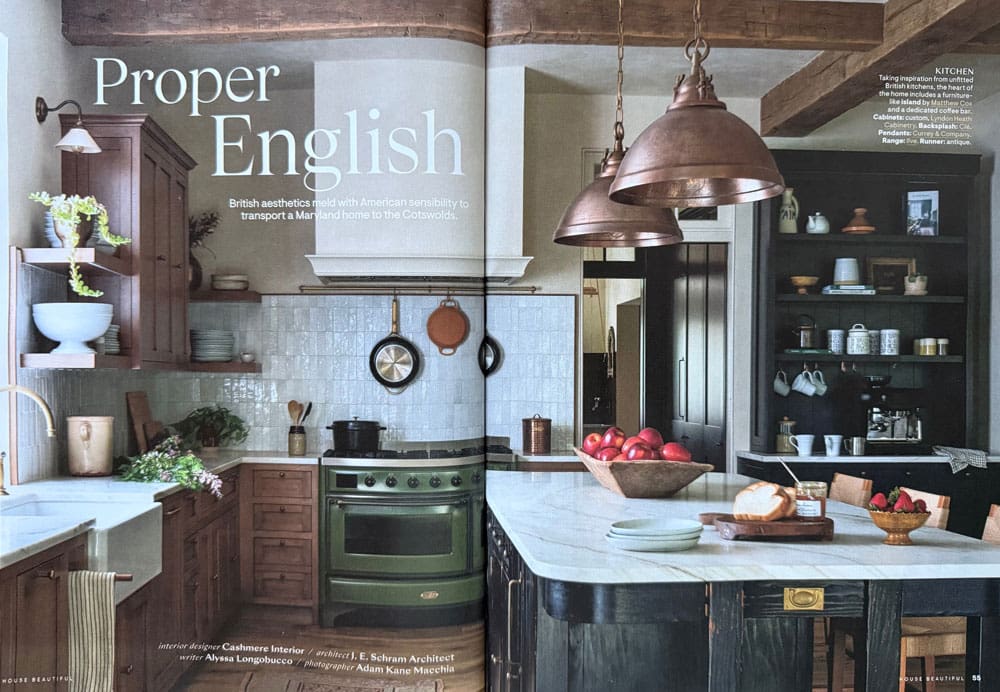
Pick a layout that suits your home. A galley is great for small spaces. An L-shape with an island works for families. A U-shape gives you loads of counter. If your goal is how to create a kitchen everyone loves to use, choose flow over show.
Tips that save time:
- Place the dishwasher beside the sink. Put dish storage near both.
- Put trash, compost, and recycling between sink and prep zones.
- Keep a 24-inch wide clear prep zone near the sink. It is the true hero spot.

Storage that works for real life
Drawers beat doors for most base cabinets. They bring items to you and cut bending. Add deep drawers for pots and pans and shallow ones for tools.
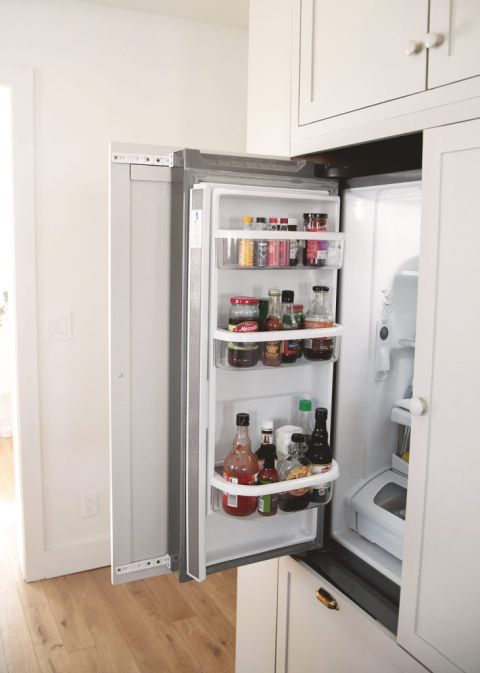
Use vertical space. Install pull-out trays, spice pull-outs, and tray dividers. Add toe-kick drawers for baking sheets and boards. Use the back of cabinet doors for a slim spice rack or a towel bar.
Build a right-sized pantry. A tall cabinet with roll-outs helps you see and reach. Open shelves near the prep zone work for jars and grains. Label bins and decant only if you can keep it up.
Small wins I use in every project:
- An appliance garage for toasters and blenders.
- A charging drawer with cable pass-through.
- A hidden paper towel mount and a tilt-out sink tray.
- A three-bin pull-out for trash, recycling, and compost.
Smart storage is central to how to create a kitchen everyone loves to use, because it keeps the counters clear and your mind calm.

Lighting that makes every task easy and cozy
Use three layers of light. Task, ambient, and accent. Under-cabinet LEDs handle prep. Recessed or track lights fill the room. Pendants and toe-kick lights add mood.
Mind color and glare. Warmer light at 2700K feels calm for dinners. Neutral light at 3000–3500K suits prep. Pick high CRI bulbs so colors of food look true.
Plan the layout. Place under-cabinet lights near the cabinet front to avoid shadows. Use dimmers on all zones. Add a night light strip under the cabinet or at the toe-kick.
When clients ask how to create a kitchen everyone loves to use, I always say layer your lighting. It shapes both function and feel.

Surfaces, fixtures, and appliances people love to touch
Counters should be tough and easy. Quartz is low care and durable. Butcher block is warm and great for baking. Laminate has improved and is budget friendly. Choose a matte finish to hide prints.
Pick a sink for how you wash. A large single bowl fits sheet pans. A workstation sink adds ledges for racks and bins. A pull-down faucet with a sweep spray speeds up cleanup. Touchless models keep handles clean.
Choose a cooktop for how you cook. Induction is fast, safe, and easy to clean. Gas gives flame control but needs strong venting. For range hoods, a common guide is 100 CFM per 10,000 BTU, or match width with the range, and always vent outside.
Floors matter. Porcelain tile is hard and water safe. Luxury vinyl plank is soft underfoot and quiet. Pick slip-resistant textures, and place anti-fatigue mats at the sink and cooktop.
Finishes should invite use. Soft-close hinges, D-shaped pulls, and rounded edges feel good. These choices are small steps in how to create a kitchen everyone loves to use, day after day.

Safety, accessibility, and family-friendly design
A kitchen for all ages and bodies is a joy to use. Follow simple universal design ideas. Use lever or D-pulls. Choose wide, looped handles. Keep the microwave at counter height.
Mind heights and reach. Standard counters are 36 inches tall. Consider a 34-inch section for seated use. Use pull-outs for lowers and lift-up doors for uppers. Leave 30 inches by 48 inches clear floor space at key zones.
Add safe power and air. Use GFCI outlets near water as required by code. Install a smoke detector and a CO alarm. Place a fire extinguisher where you can reach it fast.
For kids and pets:
- Add child locks on cleaning supplies.
- Use induction or back burners to keep pans safer.
- Round corners and use soft-close to save fingers.
When I think about how to create a kitchen everyone loves to use, I picture a space that is safe by default, not by warning.
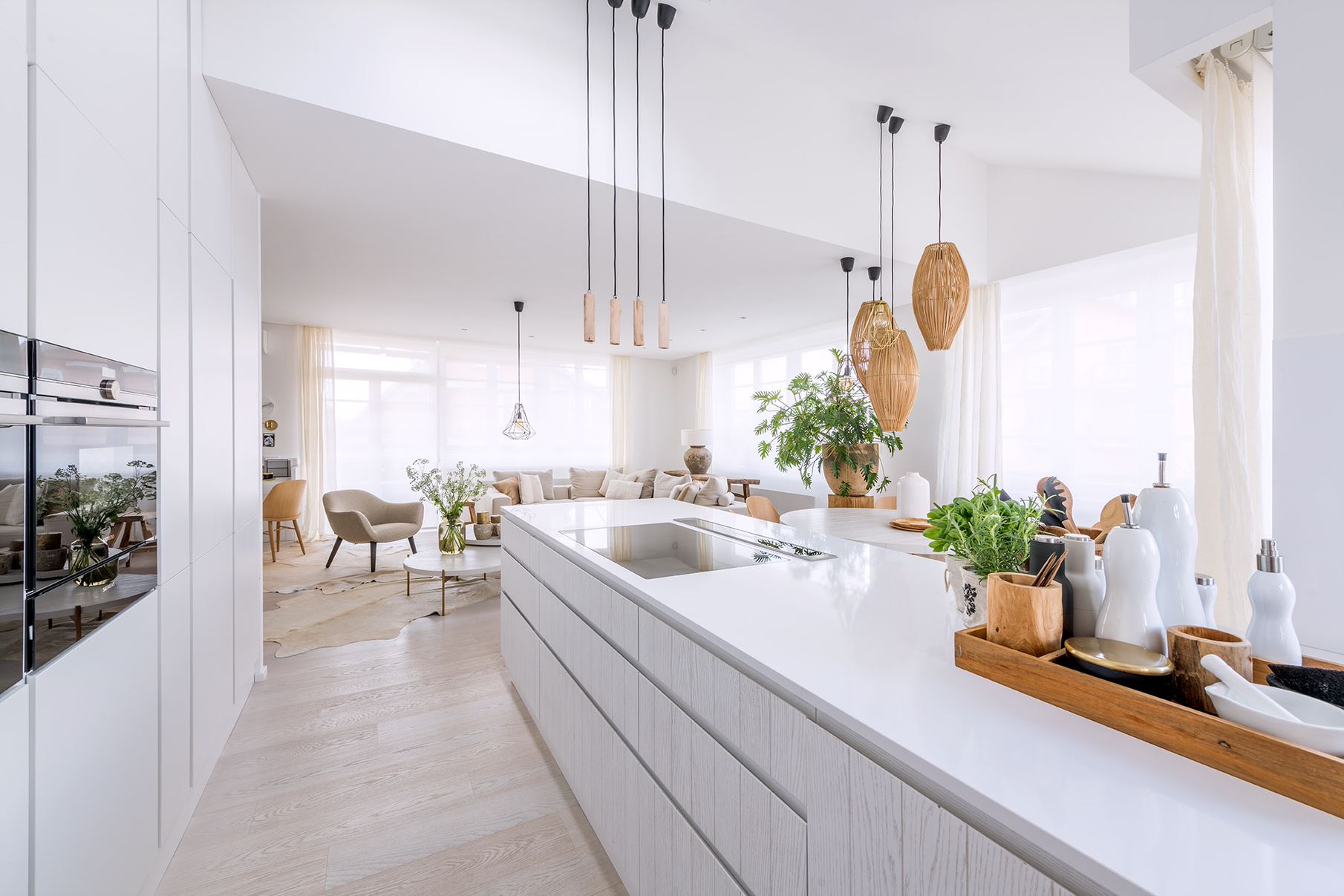
Design for joy: color, sound, and social flow
Color sets the tone. Warm whites, soft greens, and light wood feel calm. Bold doors or a vivid range add fun in small doses. Keep counters simple if you love a colorful tile.
Soften the sound. Add rugs, cork boards, or fabric seats to cut echo. Use soft-close hardware. Choose a quiet dishwasher and hood to keep talk flowing.
Plan for people. Leave 24 inches per stool at islands. Keep a 12-inch overhang for knees. Add a coffee bar or a drink fridge outside the cook zone to draw guests away from the chef.
Joy is a real part of how to create a kitchen everyone loves to use. It makes people want to linger and help.

Smart, sustainable, and easy to maintain
Smart features should serve you, not the other way. A voice-controlled hood, a faucet with a measure function, and smart plugs for the coffee maker can help. Add leak sensors under the sink and fridge. Small sensors prevent big bills.
Choose green where it counts. Energy-efficient appliances cut costs. LED lighting saves power. Induction reduces indoor air pollution. Choose low-VOC paints and sealants. Compost bins make eco habits easy.
Plan for easy care. Use large-format tile with stain-resistant grout. Pick satin cabinet finishes that clean well. Store a small caddy with soap, spray, and cloths under the sink. The less effort it takes, the more your kitchen stays ready to use.
When clients ask how to create a kitchen everyone loves to use for years, I say make it easy to clean and hard to break.
A step-by-step plan to build it
Want a clear path for how to create a kitchen everyone loves to use? Follow these steps and check them off.
- Define users and goals. List the must-haves and the nice-to-haves. Note habits, pain points, and any special needs.
- Measure the room. Record windows, doors, outlets, and plumbing. Sketch rough layouts with scale.
- Choose a layout. Pick galley, L, U, or island based on flow, not hype. Map the work triangle and zones.
- Set a budget and a buffer. Plan a 10–15% contingency. Price big items first.
- Specify storage. Decide on drawers, pull-outs, pantry type, and waste bins. Place tools at point of use.
- Design lighting layers. Plan task, ambient, and accent. Add dimmers and pick color temperatures.
- Pick finishes and fixtures. Balance durability, care, and cost. Test samples at home in day and night light.
- Confirm safety and access. Check clearances, code items, GFCI, and venting. Plan for kids, pets, and aging in place.
- Build a timeline. Order long-lead items early. Sequence demo, rough-ins, cabinets, counters, tile, and final.
- Live with it and tweak. After move-in, adjust inserts and labels. Keep what works. Fix small nags fast.
This simple plan shows how to create a kitchen everyone loves to use without stress. Keep it human, keep it clear, and keep it you.
Frequently Asked Questions
How wide should walkways be in a busy kitchen?
Aim for 42 inches for one cook and 48 inches for two. This lets doors open and people pass without bumps.
Do I need a range hood if I cook with induction?
Yes, a hood still helps remove steam, smoke, and smells. Choose a quiet model that vents outside and use it on low to medium most of the time.
How much space do I need for island seating?
Plan 24 inches of width per seat and at least 12 inches of overhang. Keep 36–42 inches of clearance behind the stools for comfort.
What color temperature is best for kitchen lighting?
Use 3000–3500K for clean, bright task light and 2700K for cozy evenings. Put all lights on dimmers so you can shift the mood.
Is quartz better than granite for busy families?
Quartz is low maintenance and resists stains, which is great for daily use. Granite is strong but needs sealing and more care.
How do I plan storage for small kitchens?
Use drawers instead of doors, add pull-outs, and take wall cabinets to the ceiling. Keep only what you use and zone it by task.
Do I need permits for a kitchen remodel?
If you move walls, add circuits, or change plumbing, you likely need permits. Check your local rules before any work starts.
Conclusion
A kitchen people love blends smart flow, kind storage, warm light, and safe details. Start with how you live, not what you saw on a feed. Use zones, drawers, and lighting layers to make work fast and cleanup easy.
Pick finishes that feel good to touch and are easy to keep clean. Add small joys like a coffee nook or a view from the sink. If you keep asking how to create a kitchen everyone loves to use as your guide, every choice gets easier.
Ready to begin? Choose one zone to improve this week, then build from there. If this helped, subscribe for more room-by-room guides, or drop a question in the comments and I will help you plan your next step.