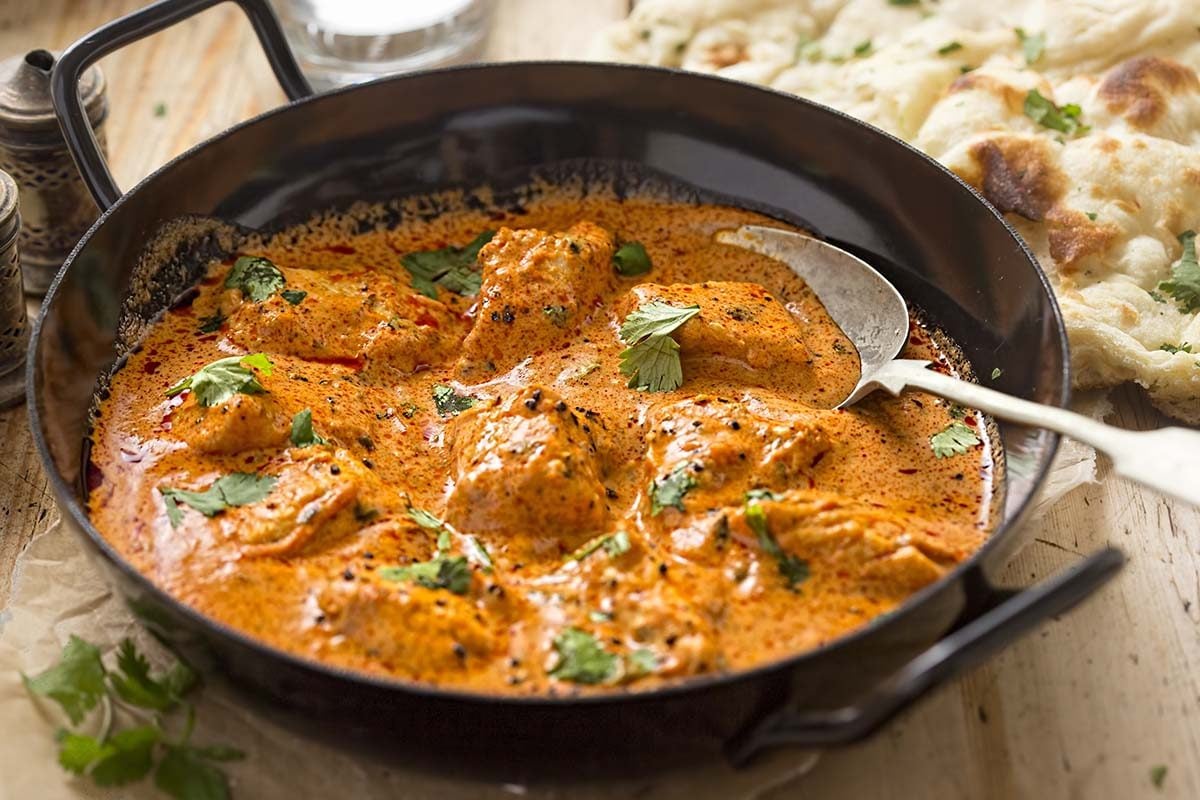
Heat oil, bloom spices, add aromatics, simmer with liquid and protein.
If you want to master how to cook curry, you need a clear base method, smart spice use, and a few kitchen habits. I’ve cooked curries for years at home and in test kitchens. Here I share what works, what fails, and how to adapt any pantry to make great curry any night.

Curry Fundamentals: What It Is and Why It Works
Curry is a style, not one fixed dish. It is any saucy dish built from spices, aromatics, and a liquid base. Cultures in South Asia, Southeast Asia, and beyond have their own versions. They share a core idea: build flavor in layers.
The science is simple. Spices hold fat‑soluble oils. When you heat them in oil, those oils bloom and release deep flavor. Add onions, garlic, and ginger to build body. Then add liquid, protein, and veg. Simmer to marry it all. If you learn this flow, you know how to cook curry with any pantry.
Personal note: I once rushed and tossed ground spices into water. The curry tasted flat. Blooming spices in oil was the fix that changed my cooking forever.
Essential Ingredients and Smart Substitutions
You do not need a long list to cook well. Start with a few basics and swap as needed.
Core aromatics
- Onion adds body and sweetness. Shallots work in a pinch.
- Garlic gives bold savor. Grate or slice thin.
- Ginger adds heat and lift. Fresh is best, paste is fine.
Key spices and blends
- Whole seeds: cumin, coriander, mustard, fenugreek, fennel.
- Ground spices: turmeric, Kashmiri chili, paprika, black pepper.
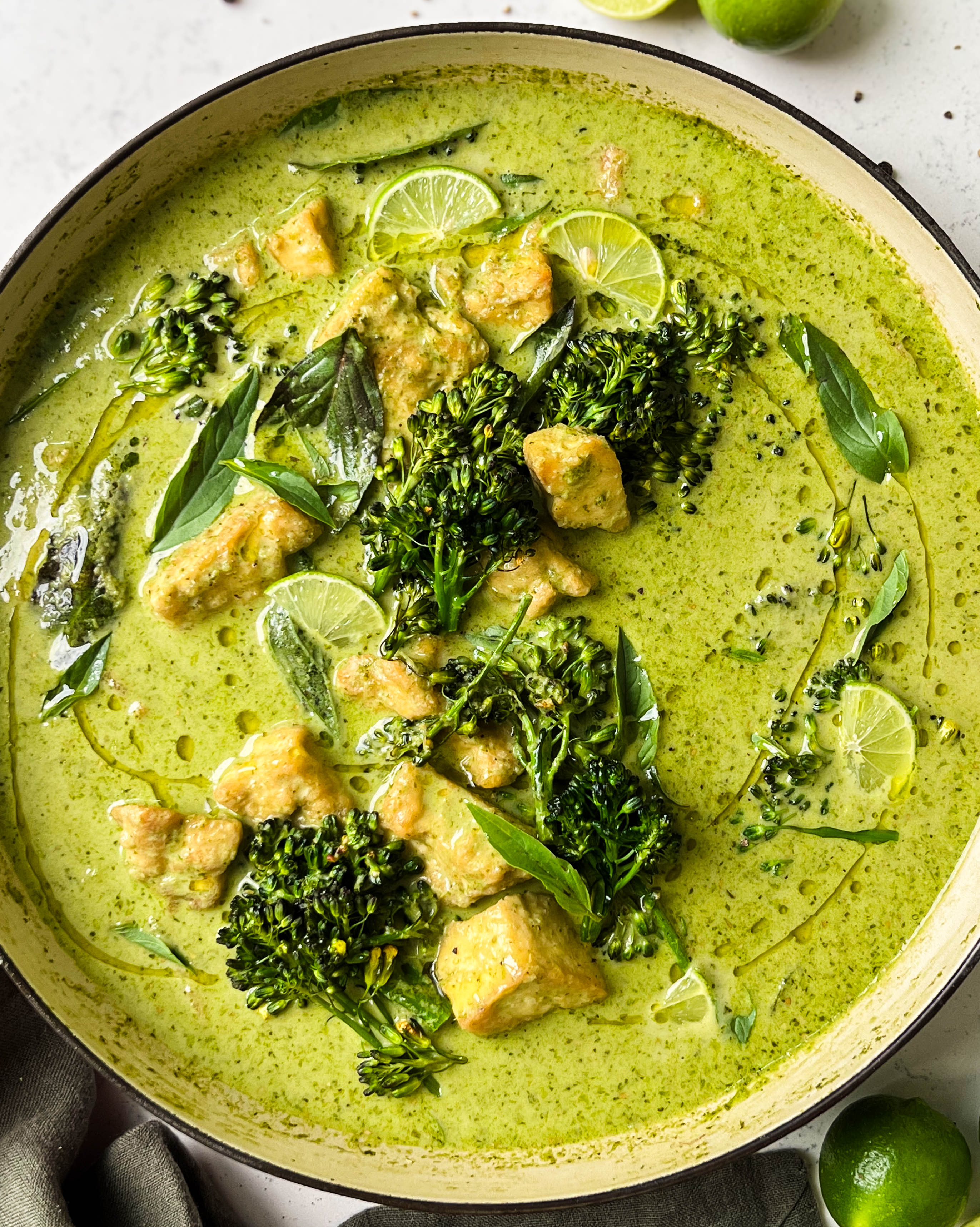
- Blends: garam masala, Madras curry powder, Thai red or green curry paste.
Liquids and fats
- Oil: neutral oil, ghee, or coconut oil.
- Liquid: water, stock, coconut milk, crushed tomato, or yogurt.
Acids and sweet balance
– Acid: lime, lemon, tamarind, or vinegar.
- Sweet: a pinch of sugar, jaggery, or palm sugar to round heat.
Quick swaps
- No fresh tomatoes: use canned crushed.
- No coconut milk: mix milk with a little cream, or use cashew milk.
- No ginger: sub galangal for Thai profiles, or skip and boost garlic.
Use these tools to shape flavor. With them, how to cook curry becomes simple and repeatable.
Step-by-Step: How to Cook Curry (Base Method)
This base works for chicken, chickpeas, tofu, paneer, fish, or mixed veg.
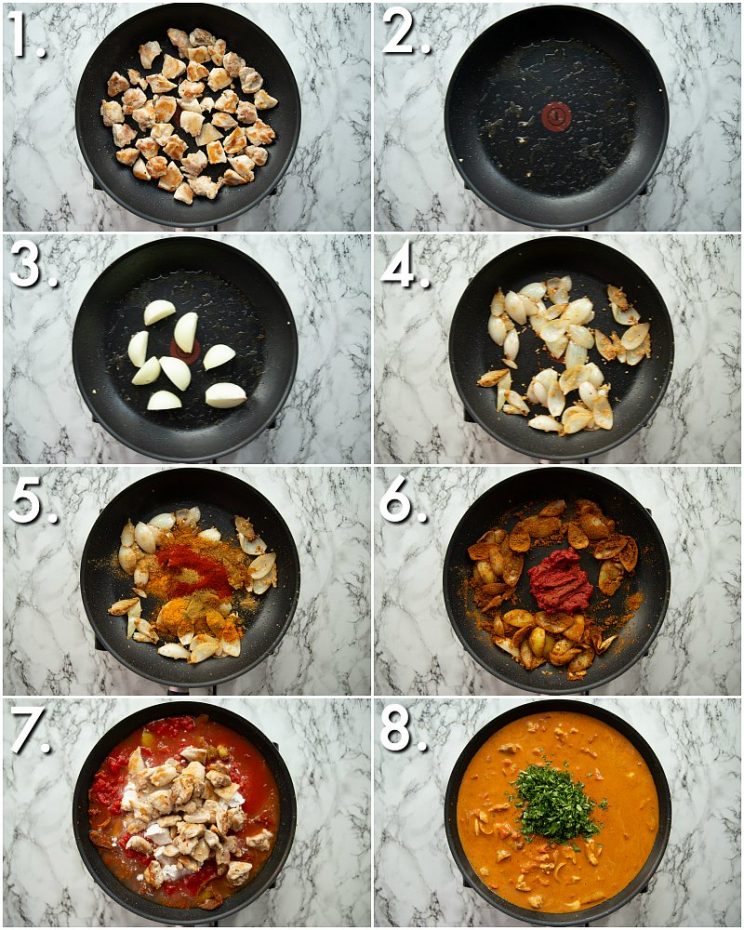
- Prep fast
- Chop onion small. Grate garlic and ginger. Measure spices.
- Heat and bloom
- Warm 2 tablespoons oil in a pot over medium heat.
- Add whole spices if using. Let them sizzle 30 to 60 seconds.
- Build the base
- Add onion with a pinch of salt. Cook until golden, 8 to 12 minutes.
- Stir in garlic and ginger for 30 seconds.
- Add ground spices
- Stir in turmeric, chili, and coriander. Cook 30 seconds to 1 minute. If dry, add a splash of oil or water.
- Tomato or paste phase
- Add tomato or curry paste. Cook until thick and glossy, 2 to 4 minutes. This step wakes flavor.
- Protein and veg
- Add chicken, chickpeas, tofu, or veg. Stir to coat in the base.
- Liquid and simmer
- Pour in stock, water, or coconut milk to cover by about 1 inch.
- Simmer gently. Cover partway. Cook until tender.
- Finish and balance
- Stir in garam masala or herbs at the end. Add acid and a pinch of sugar to balance.
- Taste for salt, heat, and brightness.
- Chicken thighs: 25 to 35 minutes
- Chickpeas (cooked): 10 to 15 minutes
- Firm tofu or paneer: 8 to 10 minutes
- Fish: 5 to 8 minutes
- Mixed veg: 8 to 12 minutes
Follow this flow and you will know how to cook curry with ease, even on busy nights.
Regional Styles and Flavor Profiles
Knowing styles helps you match pantry to plate.
Indian-inspired
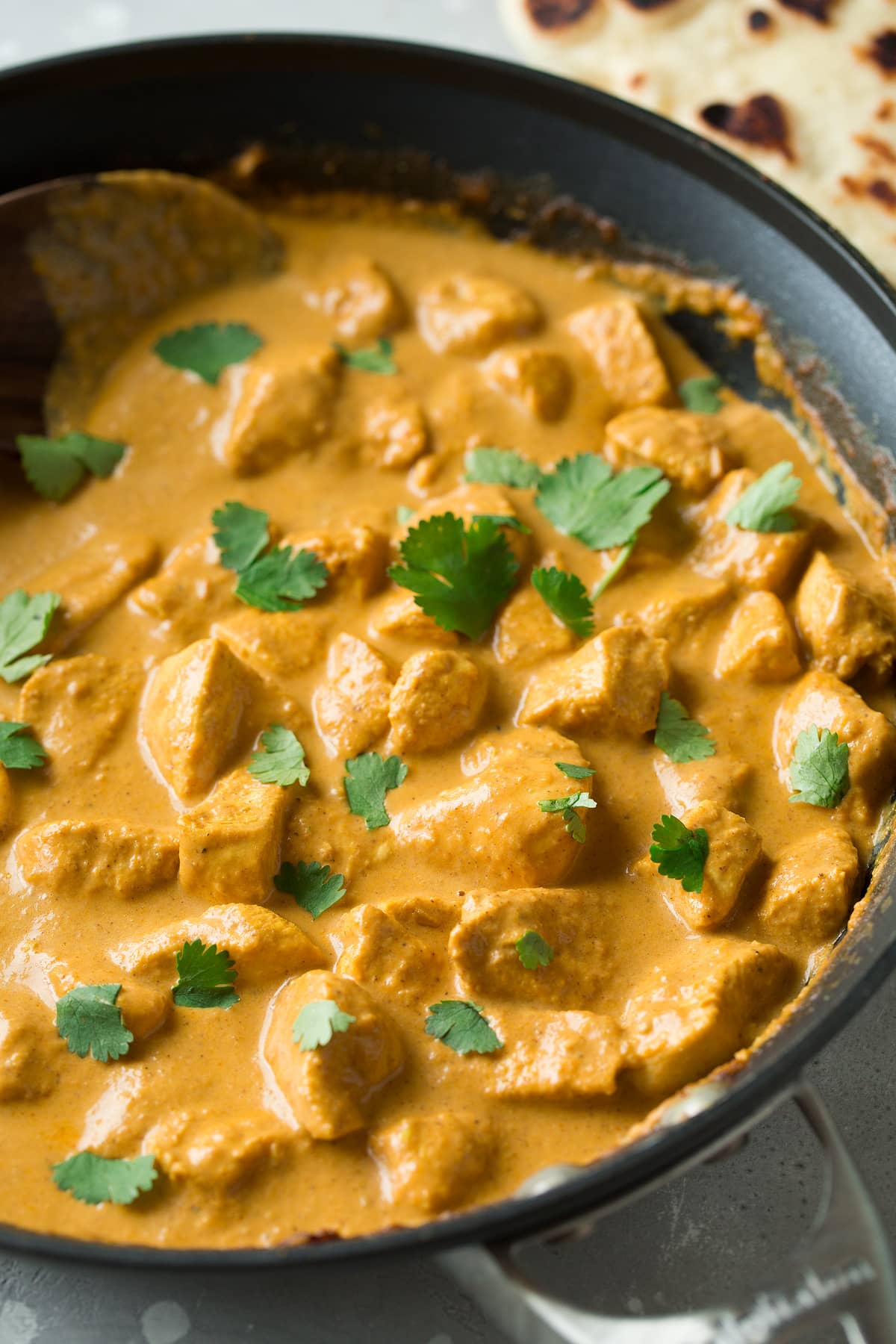
- North: ghee, garam masala, tomato, cream or yogurt.
- South: mustard seeds, curry leaves, coconut, tamarind, chilies.
Thai-inspired
- Curry pastes with lemongrass, galangal, and makrut lime.
- Coconut milk base. Fish sauce for salt. Palm sugar for balance.
Malaysian and Indonesian
- Rich coconut, toasted spices, and aromatics like candle nut.
- Slow simmer for deep, mellow heat.
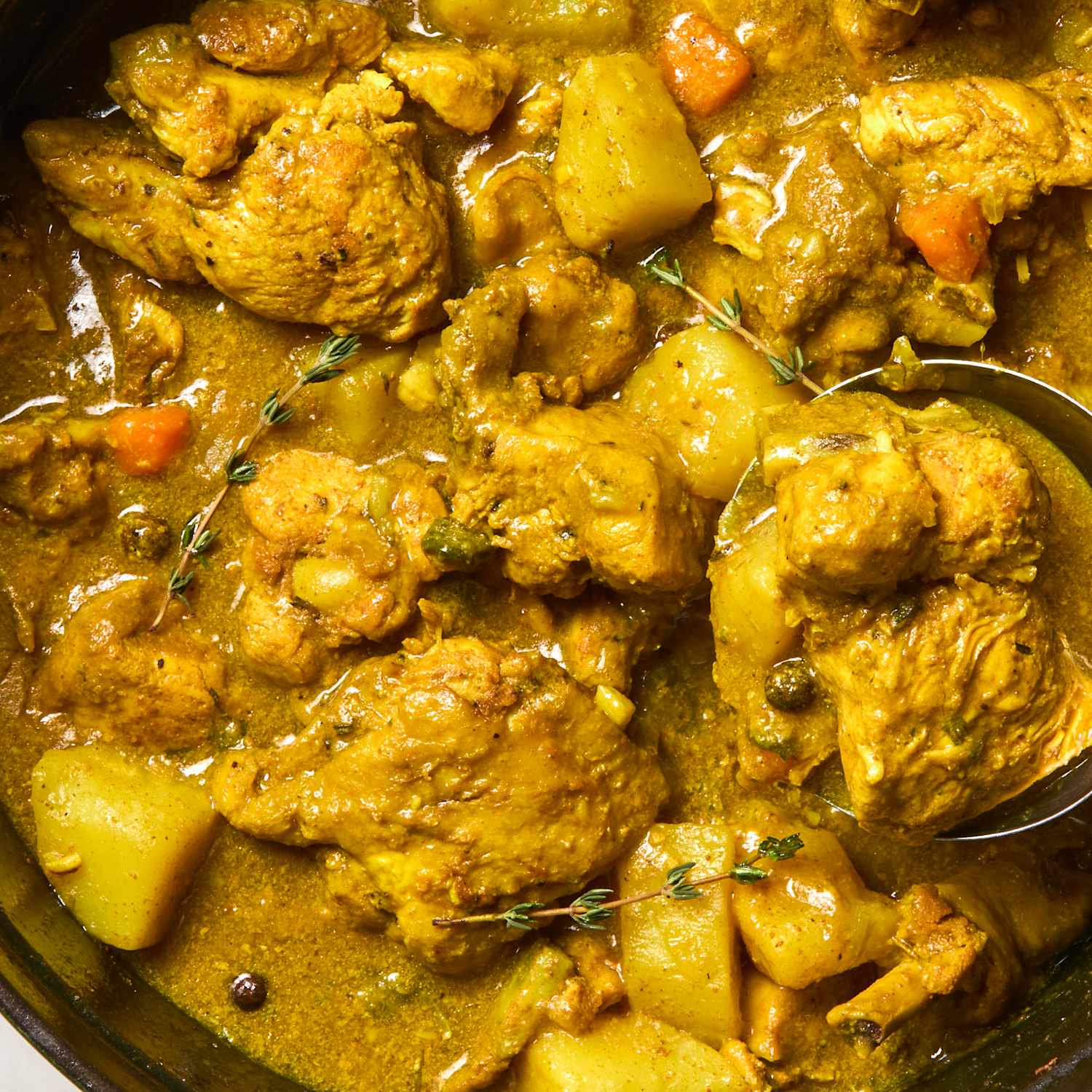
Caribbean
- Curry powder, thyme, Scotch bonnet, and allspice notes.
- Often includes potatoes and goat or chicken.
Pick one path each time you plan how to cook curry. It keeps flavors clear and bold.
Proteins, Vegetables, and Plant-Forward Options
Use what you have and cook it right.
Great proteins
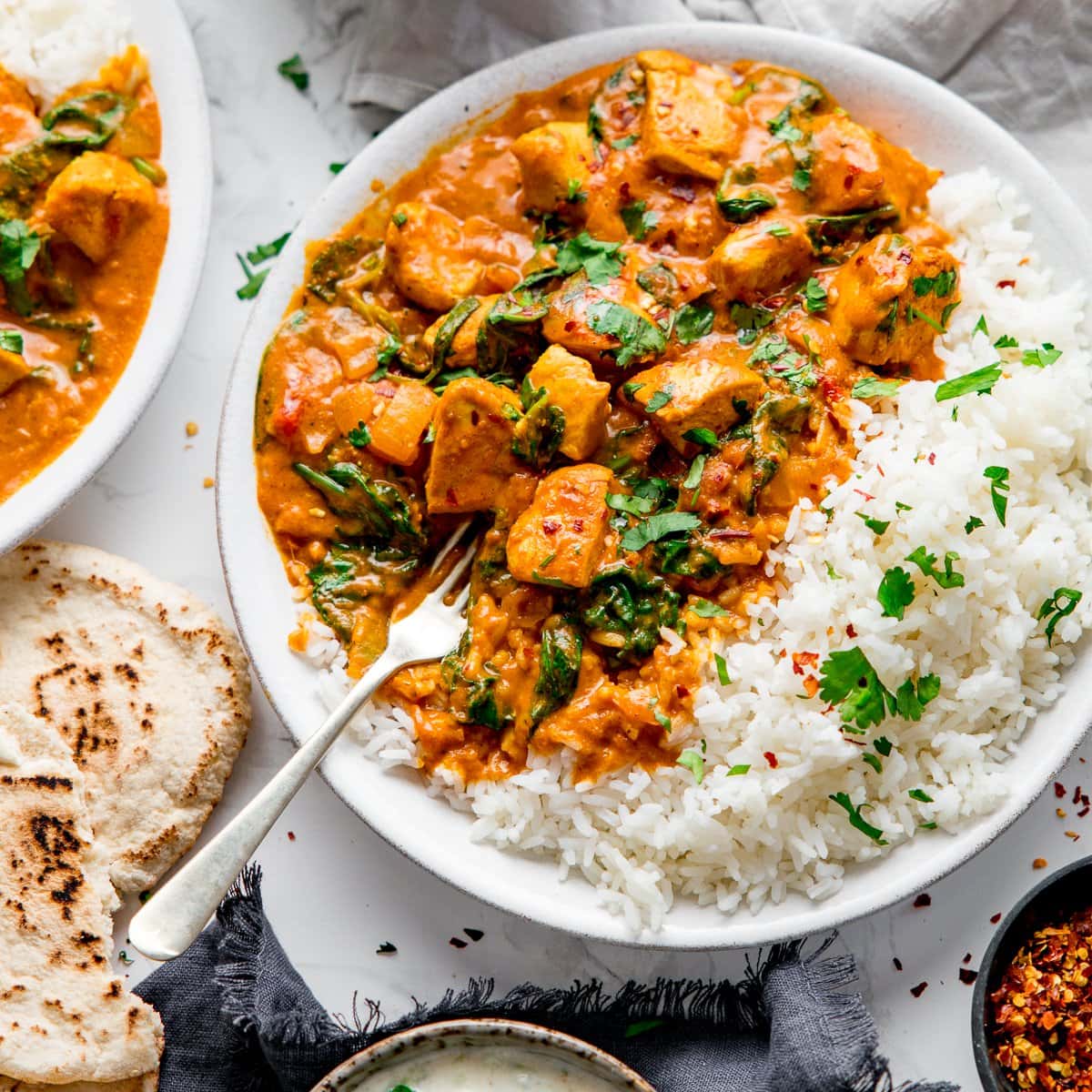
- Chicken thighs or drumsticks stay juicy.
- Beef chuck or lamb shoulder for slow braises.
- Fish like cod or salmon added late to avoid overcooking.
- Shrimp cooks in minutes at the end.
Plant choices
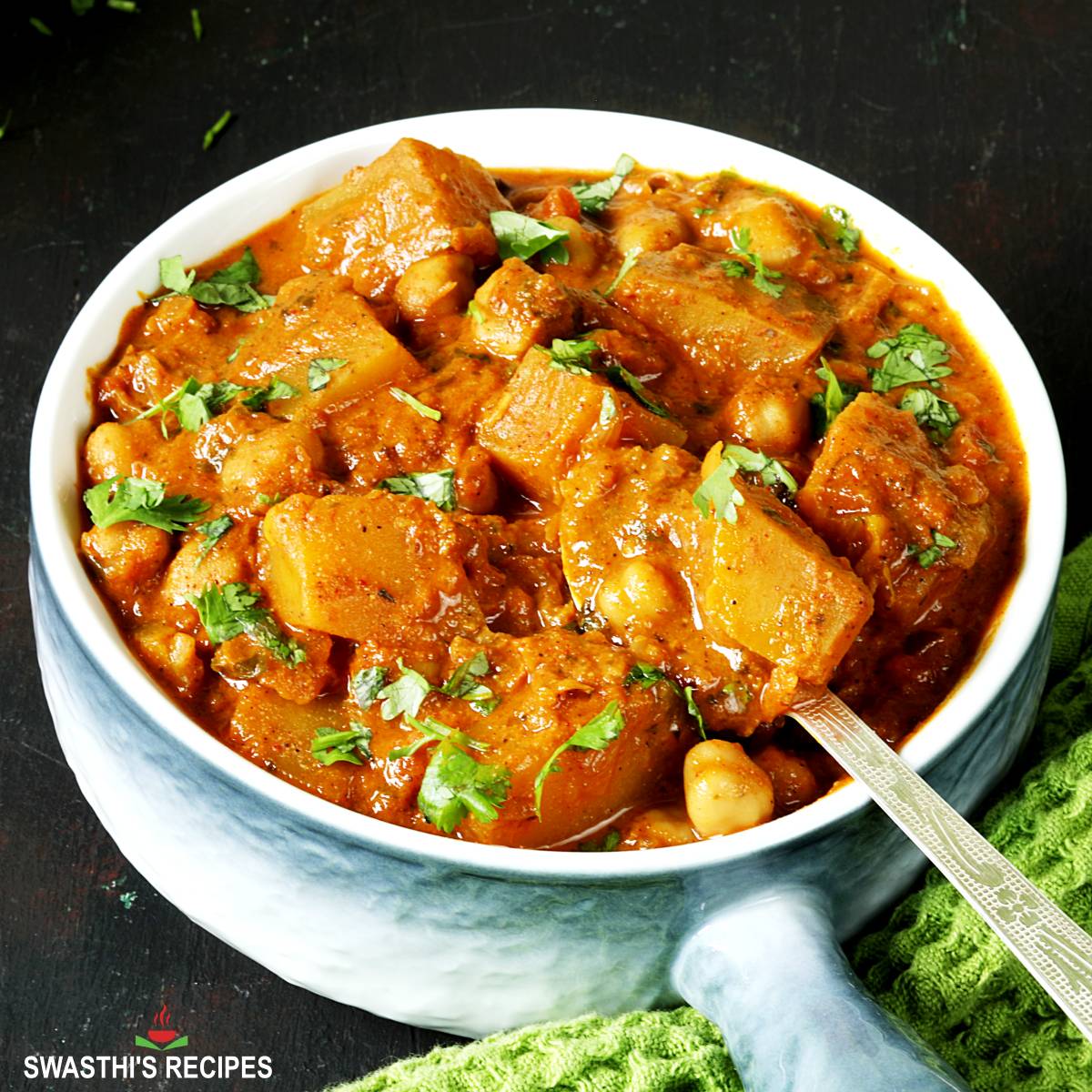
- Chickpeas, lentils, and kidney beans give body and protein.
- Paneer or tofu add a soft bite.
- Cauliflower, potatoes, spinach, eggplant, and peas work well.
Tips I trust
- Brown hearty proteins lightly for extra depth.
- Salt early on meat and beans for even seasoning.
- Add tender veg late to keep texture.
Use this mix to plan how to cook curry that suits any diet.
Common Mistakes and How to Fix Them
I have made these slip-ups. Here is how to dodge them.
- Spices taste raw: Cook ground spices in oil for 30 to 60 seconds.
- Sauce is thin: Simmer uncovered to reduce. Add a slurry of cornstarch if needed.
- Sauce is too thick: Add warm water or stock in small splashes.
- Bitter taste: Too much fenugreek or burnt spices. Add sugar and acid, and strain if needed.
- Flat flavor: Add salt, a squeeze of lime, and a pinch of sugar.
- Oily top layer: Skim oil or whisk in a bit of starch mixed with water.
Keep this list close when you test how to cook curry for the first time.

Smart Prep, Storage, and Reheating
Make parts ahead and save time.
Prep ahead
- Chop onions and freeze in portions.
- Blend garlic, ginger, and a little oil into a paste. Keep in the fridge.
- Toast and grind spice mixes on a weekend.
Storage
- Most curries taste better the next day.
- Chill within 2 hours. Store up to 4 days in the fridge.
- Freeze for up to 3 months without potatoes or yogurt.
Reheating
- Warm slowly over low heat. Thin with water or stock.
- Add fresh herbs and acid at the end to brighten.
Meal prep like this makes how to cook curry feel easy all week.
Nutrition and Health Notes
Curry can be light or rich. You choose.
- For lighter meals, use lean protein, more veg, and tomato or stock.
- For richer meals, use coconut milk, ghee, or cream in small amounts.
- Turmeric brings color and curcumin. Black pepper aids its uptake.
- Legumes add fiber and keep you full.
Balance is the goal. When you plan how to cook curry, think taste and health together.
Tools and Timing That Help
You do not need fancy gear. A few basics boost results.
- Heavy pot or Dutch oven for even heat.
- Nonstick skillet for fish or paneer.
- Wooden spoon to scrape fond.
- Instant-read thermometer to avoid overcooked meat.
- Pressure cooker for fast lentils and beans.
Good tools make it easier to learn how to cook curry with steady results.
Flavor Boosters and Final Touches
Small steps, big payoff.
- Tempering: sizzle mustard seeds, curry leaves, and chilies in hot oil. Pour over the curry at the end.
- Fresh herbs: finish with cilantro, Thai basil, or scallions.
- Umami: add fish sauce, soy sauce, or miso in tiny amounts.
- Texture: stir in toasted coconut, crushed peanuts, or fried shallots on top.
These moves turn a good pot into a great one and define how to cook curry like a pro.
Serving and Pairings
Great curry shines with the right sides.
- Rice: basmati, jasmine, or brown rice.
- Breads: roti, chapati, naan, or paratha.
- Fresh sides: cucumber salad, quick pickles, or lime wedges.
- Drinks: lassi, iced tea, or a light beer.
Think about color and crunch. That mindset rounds out how to cook curry for guests.
Troubleshooting Scenarios
Real fixes from my kitchen.
- Too spicy: add dairy or coconut milk. Serve with extra rice.
- Not spicy enough: bloom more chili powder in oil. Stir in at the end.
- Grainy yogurt: temper it. Whisk with warm sauce before adding.
- Split coconut milk: lower heat and stir. Add a bit of starch slurry.
Practice these, and you will feel calm about how to cook curry under any pressure.
Frequently Asked Questions of How to Cook Curry
What oil is best for curry?
Use a neutral oil or ghee. Coconut oil fits Southeast Asian styles and adds aroma.
Can I make curry without coconut milk?
Yes. Use stock and tomato for body, or add yogurt at the end. Adjust acid and sugar to balance.
How do I thicken a watery curry?
Simmer uncovered to reduce. You can also add blended cooked onions, mashed potato, or a cornstarch slurry.
When should I add garam masala?
Add it near the end to keep its aroma fresh. A small pinch at the start can also deepen the base.
How can I make curry in 20 minutes?
Use a store-bought paste, fast-cooking protein, and canned coconut milk. Thin-sliced chicken or shrimp helps you finish fast.
How do I keep chicken from drying out?
Use thighs and simmer gently. Rest the meat in the sauce for a few minutes before serving.
Can I cook curry in a slow cooker?
Yes. Bloom spices on the stove first, then transfer. Add dairy in the last 20 to 30 minutes to avoid splitting.
Conclusion
You now have a clear base, key swaps, and smart fixes. Build flavor in layers, taste as you go, and balance heat, salt, and acid. That is the heart of how to cook curry.
Cook a small batch this week and note what you taste. Try one new spice next time. Share your results, subscribe for more kitchen guides, or drop a question in the comments.