To cook pasta perfectly, boil a large pot of salted water, add the pasta, and cook until al dente.
Learning how to cook pasta might seem like a basic kitchen task, but achieving that perfect, restaurant-quality texture is an art form. Over the years, I have burned pots, served mushy noodles, and even dealt with clumpy messes, all of which taught me that precision is key. Mastering how to cook pasta requires more than just following the box instructions; it involves understanding water-to-salt ratios and timing. In this guide, I will share my hard-earned expertise to ensure you never serve soggy noodles again. We will dive deep into the science behind the boil, the importance of the starch, and how to cook pasta that consistently elevates your home-cooked meals.

The Foundation of Perfect Pasta
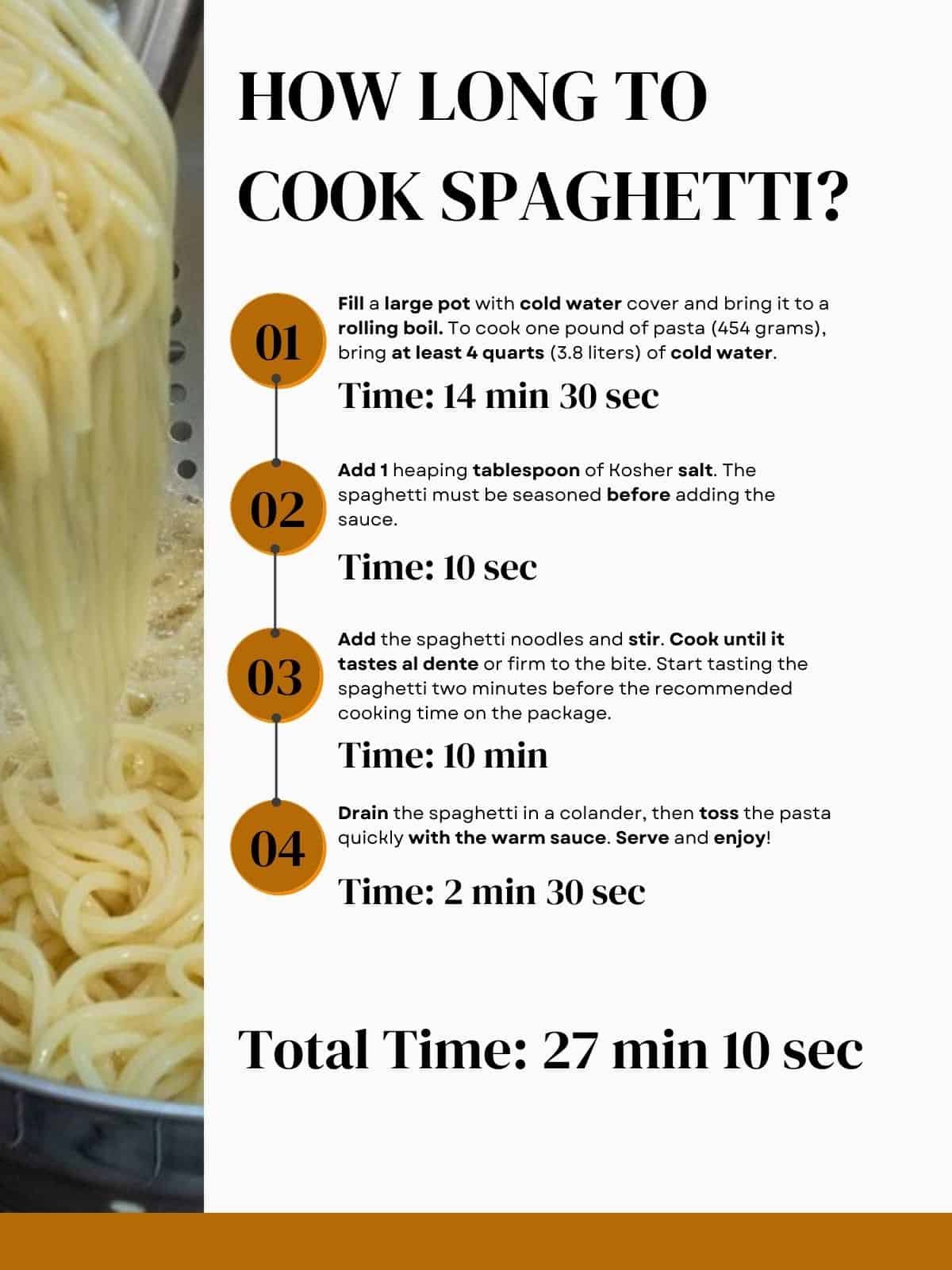
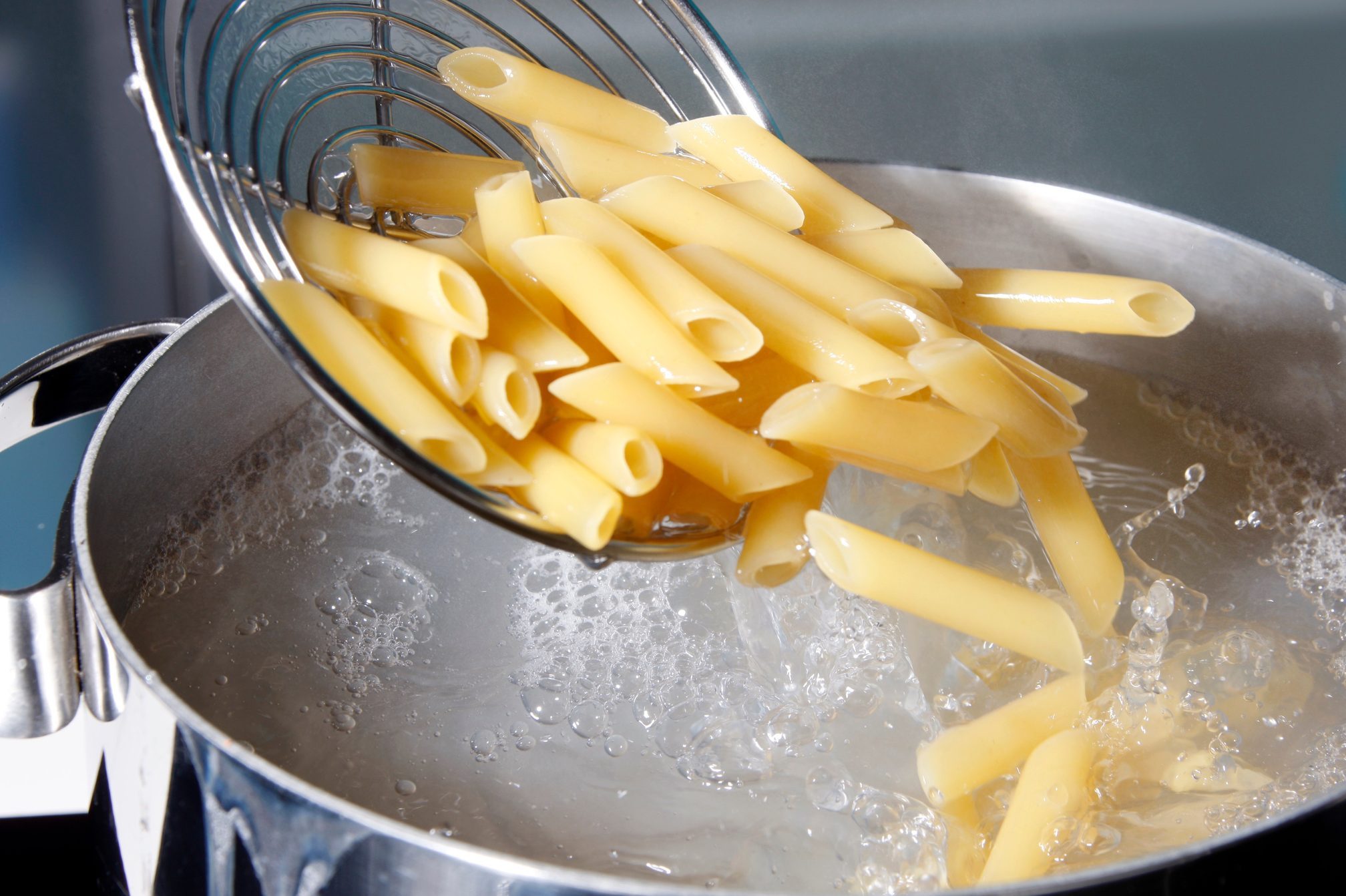
The secret to how to cook pasta like a professional starts before the heat is even turned on. You need a large pot, as pasta needs plenty of room to move around; otherwise, the starch will make the noodles stick together. Fill your pot with cold water and bring it to a rolling boil. Many people forget that water needs a significant amount of salt to flavor the noodles from the inside out. Once the water is boiling, add enough salt so it tastes similar to sea water. This step is essential because it is your only opportunity to season the pasta itself before adding your sauce.
Mastering the Cooking Process
Once your water is boiling and heavily salted, add your chosen pasta. Stir it immediately for the first minute to prevent the noodles from bonding together. When you learn how to cook pasta, you must pay close attention to the cooking time listed on the packaging. I always set a timer for two minutes less than the recommended time to check for that perfect al dente texture. Al dente, which translates to to the tooth, means the pasta should have a slight, firm resistance when you bite into it. If you keep cooking pasta until it is completely soft, it will likely turn mushy once you add the warm sauce.
:strip_icc()/final_aldentespaghetti_1102-c22a937ea4384839bf29511fcc42ff94.jpg)
Crucial Techniques and Common Mistakes
One of the biggest mistakes home cooks make is rinsing the pasta after draining it. Never rinse your cooked noodles because the starch on the surface is vital for helping the sauce cling to the pasta. Instead, reserve about half a cup of the starchy pasta water before draining. When you mix your sauce, add a splash of this reserved water to create a silky, emulsified coating. Learning how to cook pasta properly also means being ready to serve immediately. Pasta does not wait for anyone, so have your sauce heated and your bowls ready as soon as the colander hits the sink.
Frequently Asked Questions of how to cook pasta
Should I add oil to the boiling water?
You should avoid adding oil to the water because it coats the noodles and prevents the sauce from adhering properly. Keeping the water boiling and stirring occasionally is enough to keep the pasta from sticking.
How do I know when the pasta is done?
The best way to tell if the pasta is cooked is to taste a small piece directly from the pot. It should be tender but still provide a firm, chewy resistance when you bite into it.
How much salt is enough for the water?
A good rule of thumb is to add about one tablespoon of salt for every four quarts of water. The goal is to make the water taste salty enough to season the noodles throughout.
Can I cook different types of pasta together?
It is not recommended to cook different shapes together because they usually have different cooking times. You will end up with some noodles that are overcooked while others remain undercooked.
What is the purpose of starchy pasta water?
Starchy water acts as a natural binder that helps your sauce thicken and stick to the noodles. Adding a small amount to your dish creates a cohesive and professional texture.
Conclusion
Cooking pasta is a fundamental skill that transforms simple ingredients into a comforting, delicious meal. By using plenty of salted water, timing your boil carefully, and reserving that precious starchy liquid, you can take control of your kitchen results. Now that you have the knowledge to perfect your technique, I encourage you to try these tips during your next dinner preparation. Experiment with different shapes and sauces to see how these small adjustments change the entire eating experience. If you found these tips helpful, feel free to leave a comment below or share your own favorite pasta success stories with us.