Keep butter cold, use light hands, and bake hot for tall, flaky biscuits.
If you want to master How to Cook Biscuits, you are in the right place. I have baked thousands in home kitchens and fast brunch lines, and I will show you every step. This friendly guide on How to Cook Biscuits blends clear science, tested methods, and simple tips so your biscuits rise high, taste rich, and never dry. Read on and bake with confidence.
The Biscuit Basics: What Creates Flake and Lift
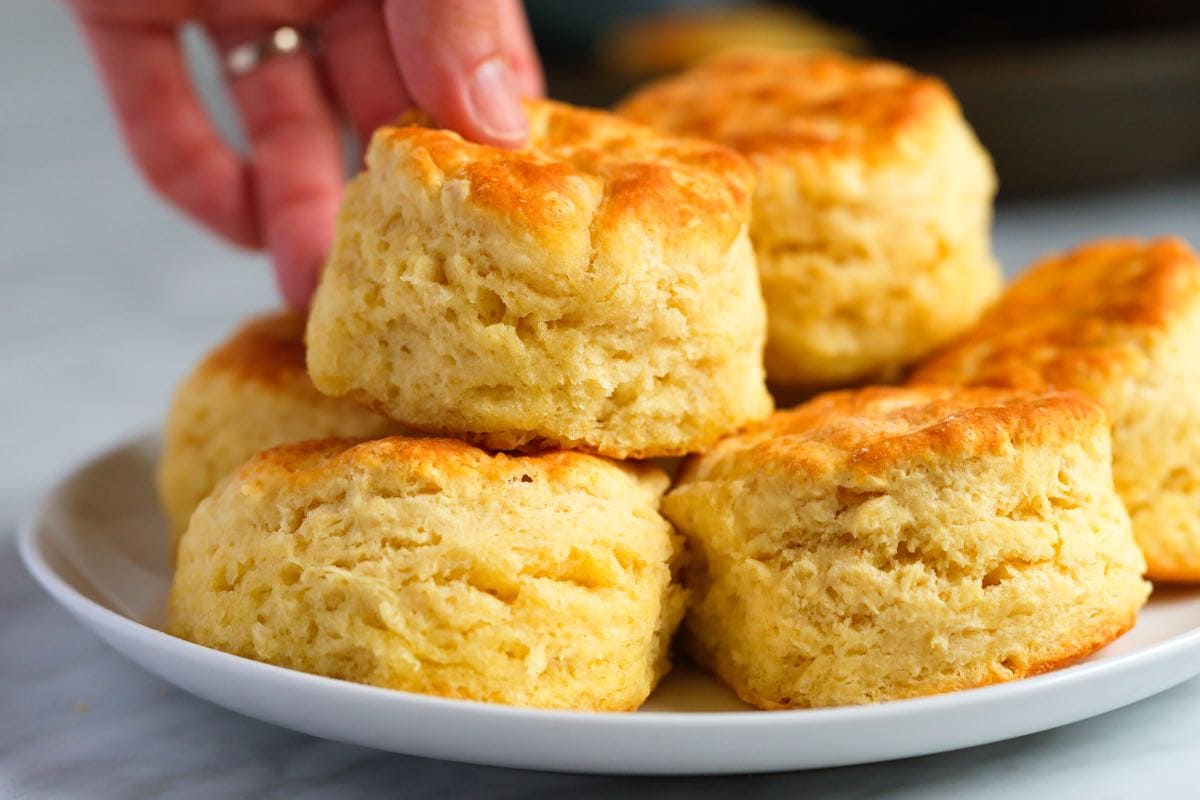
Great biscuits come from simple rules. Before you learn How to Cook Biscuits, know what makes them rise and stay tender.
- Flour protein matters. All-purpose or soft wheat flour keeps gluten low and texture soft.
- Cold fat is key. Butter or shortening melts in the oven and creates steam pockets that lift layers.
- Strong leavening boosts height. Baking powder gives lift. Baking soda helps when you use buttermilk.
- Minimal mixing saves tenderness. Work the dough just until it comes together. Overmixing makes it tough.
- Hot oven sets structure fast. This locks in lift and gives crisp, golden tops.
Tools and Ingredients You Need
A short list makes life easy. Here is what you need to learn How to Cook Biscuits with ease.
- Mixing bowl, bench scraper, and baking sheet
- Pastry cutter or two forks; a box grater also works
- 2 to 2.5 cups all-purpose or self-rising flour
- Baking powder and salt; baking soda if using buttermilk
- Cold unsalted butter, 6 to 8 tablespoons
- Cold buttermilk or milk, about 3/4 to 1 cup
- Extra flour for dusting; a round cutter or glass
- Optional: cast-iron skillet, silicone mat, or parchment
Pro tip: Keep butter in the freezer for 10 minutes before you start.
Step-by-Step: How to Cook Biscuits
Follow this plan whenever you ask How to Cook Biscuits. The method is simple, repeatable, and fast.
Recipe for 8 tall biscuits:
- 2 cups all-purpose flour (240 g)
- 1 tablespoon baking powder (12 g)
- 1/2 teaspoon baking soda (if using buttermilk)
- 1 teaspoon fine salt
- 6 tablespoons cold unsalted butter (85 g), diced or grated
- 3/4 to 1 cup cold buttermilk or milk
- Heat the oven to 450°F (232°C). Line a baking sheet. Cold dough meets a hot oven for the best lift.
- Mix dry items. Whisk flour, baking powder, baking soda, and salt in a bowl.
- Cut in the butter. Use a pastry cutter or your fingers. Stop when pieces are pea-size. Some flat shards are good.
- Add cold liquid. Make a well. Pour in 3/4 cup buttermilk. Stir with a fork until shaggy. If dry flour remains, add 1 to 2 tablespoons more.
- Turn out the dough. Dust the counter. Tip the bowl out. Gently press the dough together. Do not knead.
- Quick folds for layers. Pat into a 3/4-inch slab. Fold in half like a book. Rotate. Repeat 2 to 3 times. This builds flake without overworking.
- Final pat. Shape into a 1-inch-thick slab for tall biscuits.
- Cut clean. Dip a 2 to 2.5-inch cutter in flour. Press straight down. Do not twist. Twisting seals edges and limits rise.
- Reform scraps. Gently press scraps together. Cut the rest. Expect slightly shorter biscuits from the second pass.
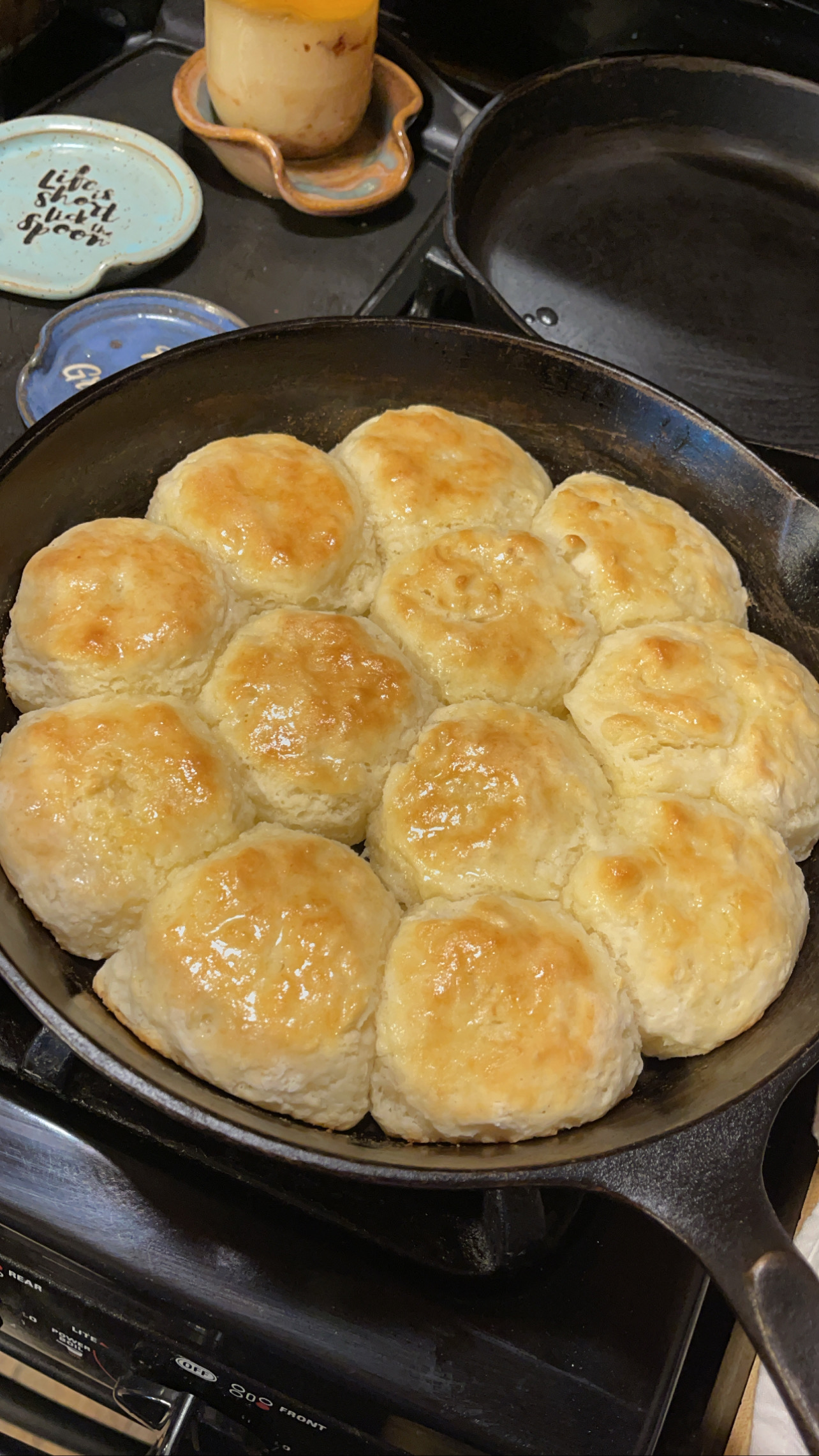
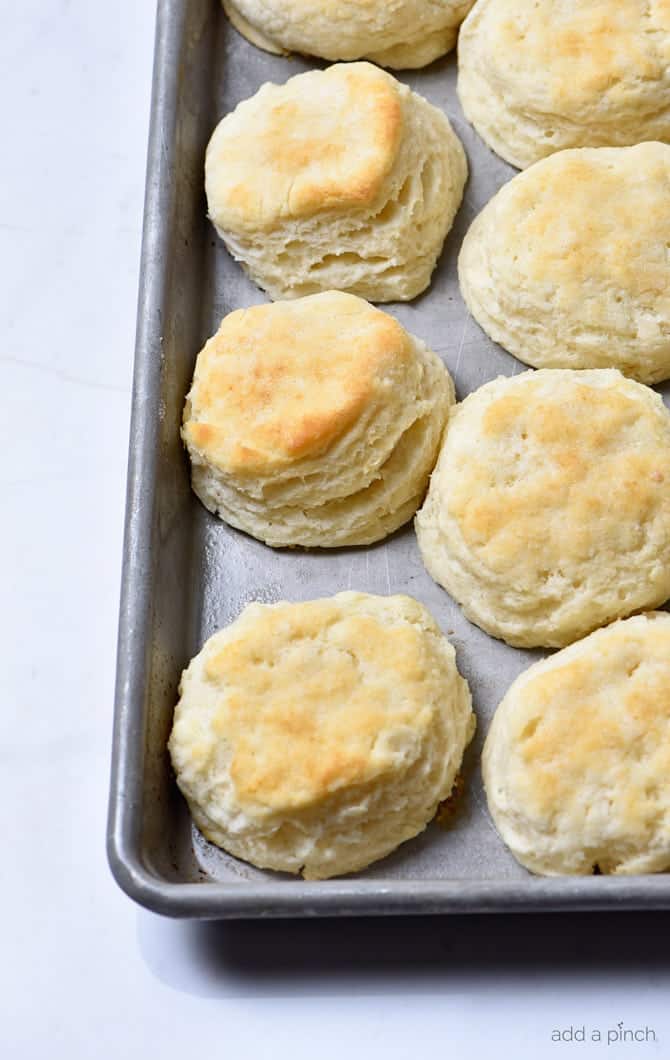
- Pan placement. Place biscuits so their sides touch for sky-high rise, or space apart for crisp edges.
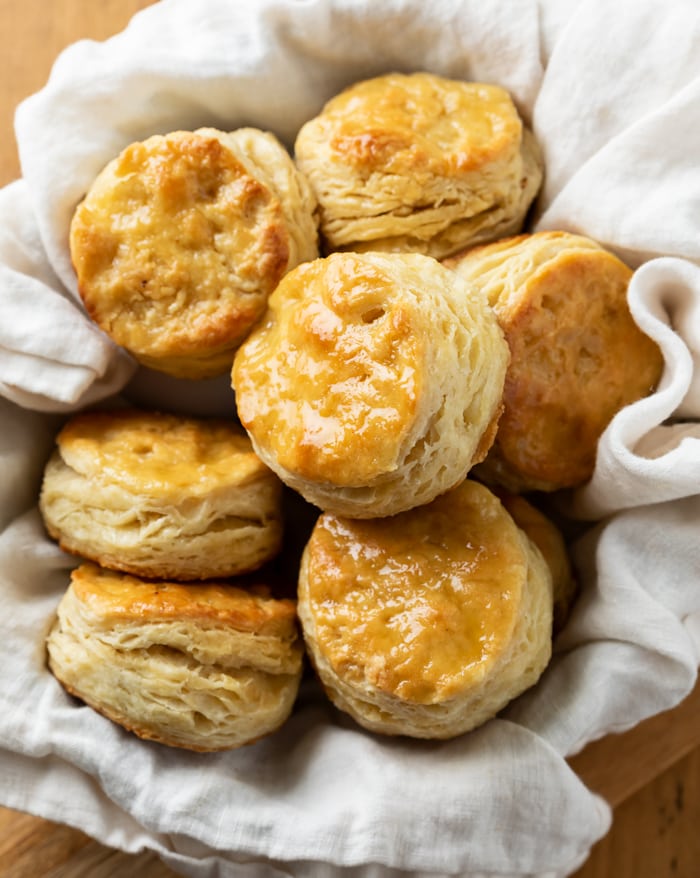
- Bake. Bake 12 to 15 minutes until deep golden on top and the sides look set. If you check temp, aim for about 200 to 205°F in the center.
- Optional finish. Brush tops with melted butter or honey butter right out of the oven.
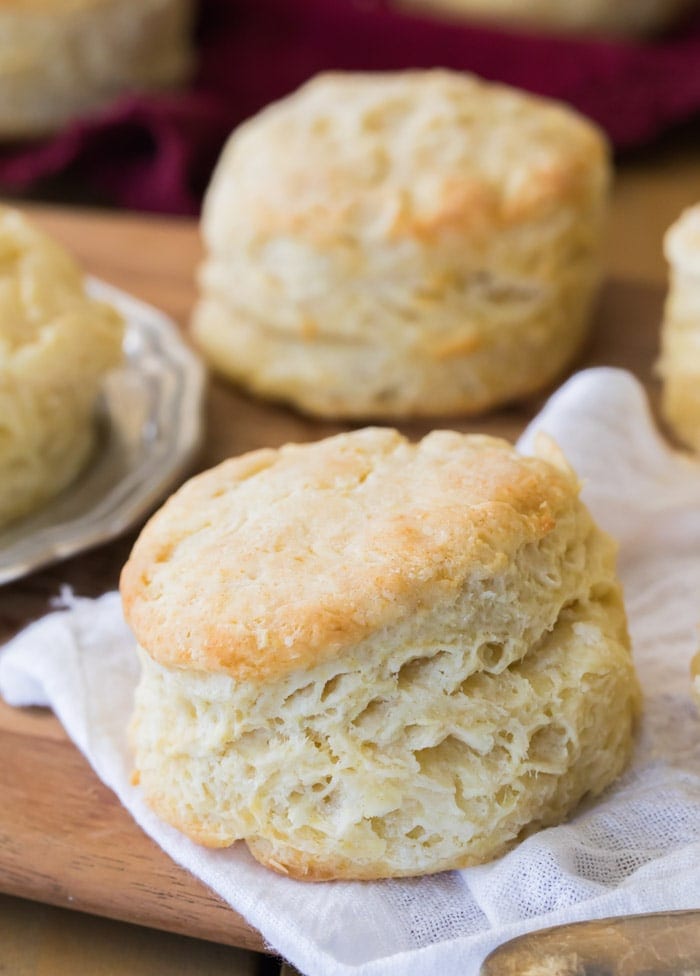
Result: tall, tender, flaky layers that pull apart with steam. That is How to Cook Biscuits done right.
Pro Tips From My Kitchen
Years of testing taught me what works and what ruins a batch. Use these to upgrade how you approach How to Cook Biscuits.
- Chill between steps. If the dough warms, pop it in the freezer for 5 minutes.
- Grate the butter. A cold box grater makes even shards that melt into flaky layers.
- Use buttermilk when you can. The acid relaxes gluten and adds tang.
- Mind your hands. Warm hands melt butter. Work fast or use tools.
- Bake on a dark pan for deeper browning. Use a light pan for softer bottoms.
- Cast-iron trick. Preheat a skillet. Add biscuits and bake. You get crisp bottoms and big lift.
- Mistakes I learned from: I once twisted the cutter and got hockey pucks. I also overmixed once; the batch turned out gummy. Press, fold, and cut clean. That is the path.

Tasty Variations and Shortcuts
You can explore flavor while you learn How to Cook Biscuits.
- Drop biscuits. Skip rolling. Use a spoon to drop mounds. Bake at 450°F for 12 to 14 minutes.
- Cheddar chive. Fold in 1 cup shredded sharp cheddar and 2 tablespoons chopped chives.
- Sweet cream. Swap buttermilk for heavy cream and add 1 to 2 tablespoons sugar.
- Herb and pepper. Add black pepper and thyme for dinner biscuits.
- Whole wheat blend. Use 25% whole wheat flour for nutty taste. Add 1 tablespoon more liquid if dry.
- Gluten-free. Use a 1:1 gluten-free blend with xanthan gum. Chill dough well and keep it slightly wetter.
- Shortcut processor method. Pulse dry items and cold butter, then add liquid. Stop as soon as it clumps.
Troubleshooting: Common Biscuit Problems and Easy Fixes
When people search How to Cook Biscuits, they often face the same snags. Fix them fast with these tips.
- Flat biscuits. The dough warmed up or the oven was cool. Chill dough and bake at 450°F.
- Tough texture. You overmixed or used high-protein flour. Mix less and switch to all-purpose.
- Spreading sides. Butter chunks were too big or too warm. Cut butter to pea-size and chill.
- Pale tops. Bake longer or move the rack higher. A light brush of cream can help browning.
- Burnt bottoms. Use a light pan, double-pan, or raise the rack. Lower heat by 15°F next time.
- Dry biscuits. You baked too long or used too much flour in shaping. Add a touch more liquid and dust lightly.
Storage, Reheating, and Food Safety
This part keeps quality high and supports safe baking while you practice How to Cook Biscuits.
- Cool. Let biscuits cool on a rack for 10 minutes to set crumb.
- Store. Keep in an airtight container at room temp for 1 to 2 days. For longer, freeze up to 3 months.
- Reheat. Oven at 350°F for 8 to 10 minutes. In a skillet, cover and warm over low heat. Air fryer at 320°F for 3 to 5 minutes.
- Freeze unbaked. Cut, freeze on a tray, then bag. Bake from frozen at 450°F for 15 to 18 minutes.
- Safety notes. Do not eat raw dough. Raw flour and dairy can carry risks. Bake until set and golden, and clean tools and surfaces.
Serving Ideas That Shine
Great biscuits fit any meal. Use this list to spark joy as you practice How to Cook Biscuits.
- Classic breakfast. Eggs, ham, and hot sauce.
- Sausage gravy. Peppery white gravy over split biscuits.
- Jam and butter. Strawberry jam or honey for a sweet bite.
- Shortcakes. Use sweet cream biscuits with berries and whipped cream.
- Soup and stew. Serve with chicken noodle or chili.
- Casserole topper. Crown a pot pie with biscuit rounds.

Frequently Asked Questions of How to Cook Biscuits
What flour is best for biscuits?
All-purpose flour is the safest pick. If you find soft wheat or self-rising flour, your biscuits may turn even lighter.
Can I use milk instead of buttermilk?
Yes. Use the same amount of cold milk. For tang and lift, add 1/2 teaspoon baking soda and a teaspoon of lemon juice or vinegar.
What oven temperature works best?
A hot oven, 450°F, gives the best lift. It sets the edges fast and traps steam to form layers.
How thick should I roll biscuit dough?
Aim for 1 inch thick for tall biscuits. Thinner dough bakes faster but will not rise as high.
Can I make biscuits without a cutter?
Yes. Use a sharp knife to cut squares or make drop biscuits with a spoon. Avoid twisting when cutting shapes.
Why are my biscuits not flaky?
The butter likely warmed up or melted before baking. Keep butter cold, fold the dough a few times, and bake right away.
Conclusion
You now know How to Cook Biscuits with a clear plan, a few smart folds, and a hot oven. Keep butter cold, mix with care, and let the oven do the rest. Each batch will teach you something, and the next tray will rise higher.
Bake a pan this week and share what worked for you. Want more guides like this? Subscribe, leave a comment with your favorite add-ins, and keep cooking with confidence.