Boil well-salted water, cook to al dente, then finish pasta in its sauce.
You can learn How to Cook Restaurant Style Pasta at Home in one evening. I’ve spent years on the line and at home perfecting pasta. This guide breaks down the science, the steps, and the feel. Follow along and you’ll plate silky, glossy, and bold pasta that tastes like your favorite trattoria.

The core principles behind restaurant-style pasta
Great restaurant pasta is simple, fast, and precise. It leans on a few core ideas. Salt your water so the pasta tastes seasoned from within. Cook to al dente so it has bite. Finish the pasta in the pan with the sauce to build an emulsion.
Emulsion is key. Starch in the pasta water meets fat in the sauce. Vigorous heat and movement turn it glossy and smooth. This is why chefs save pasta water and never rinse pasta.
Timing is the whole game. Start your sauce as the water heats. Drop pasta when the pan is hot. Move pasta to the pan when it is a minute under done. Toss, adjust, and serve at once. That is How to Cook Restaurant Style Pasta at Home at its heart.

Pantry and tools checklist
You do not need a lot of gear. A few solid tools and good staples go far. Stock these basics so you can master How to Cook Restaurant Style Pasta at Home any night.
Essentials to keep on hand:
- Dried pasta in a few shapes like spaghetti, penne, rigatoni, and shells
- Kosher salt for the pot and fine salt for final seasoning
- Extra virgin olive oil and unsalted butter
- Garlic, onions, crushed red pepper, fresh herbs
- Canned whole tomatoes, tomato paste
- Parmesan or Pecorino Romano, finely grated
- Heavy cream for rich sauces when you want them
Tools that help a lot:
- A large pot (at least 6 quarts) and a wide sauté pan
- Tongs, a spider or slotted spoon, and a ladle
- A microplane for fluffy cheese
- A scale and measuring cups for consistency

Step-by-step: How to Cook Restaurant Style Pasta at Home
Use this base method for almost any sauce. It is simple, fast, and repeatable. This is the system I teach friends who ask How to Cook Restaurant Style Pasta at Home.
- Boil and season the water
- Bring 4 to 5 quarts of water to a rolling boil.
- Add 1.5 to 2 percent salt by weight. A quick home rule is about 2 tablespoons kosher salt per 4 quarts. The water should taste like the sea.
- Start your sauce base
- In a wide pan, warm olive oil or melt butter over medium.
- Build flavor with garlic, onion, or spices. Keep it simple. Do not brown garlic for light sauces.
- Drop the pasta and set a timer
- Cook to 1 to 2 minutes under box time for al dente.
- Stir in the first minute to prevent sticking.
- Save your liquid gold
- Ladle out 1 to 2 cups of starchy pasta water just before draining.
- This water helps form a stable emulsion with the sauce fats.
- Marry pasta to sauce
- Move pasta straight from the pot to the hot pan. Do not rinse.
- Add a splash of pasta water. Toss over medium-high heat.
- Build the emulsion
- Toss, stir, and shake the pan for 30 to 90 seconds.
- Add more water as the sauce tightens. You want glossy strands or tubes fully coated.
- Finish and season
- Off heat, fold in grated cheese, a knob of butter, or both.
- Taste and season with salt, pepper, or lemon. The sauce should cling and shine.
- Rest, plate, and serve
- Let it sit in the pan for 30 seconds so the sauce sets.
- Twirl or spoon into warm bowls. Top with a light rain of cheese and a thread of oil.
Pro ratios per person:
- 3 to 4 ounces dried pasta (85 to 115 grams)
- 3 to 4 ounces sauce by weight, adjusted to taste
- 2 to 4 tablespoons pasta water to finish, adding more as needed
This simple flow is the backbone of How to Cook Restaurant Style Pasta at Home. With practice, you will do it by touch and sound.
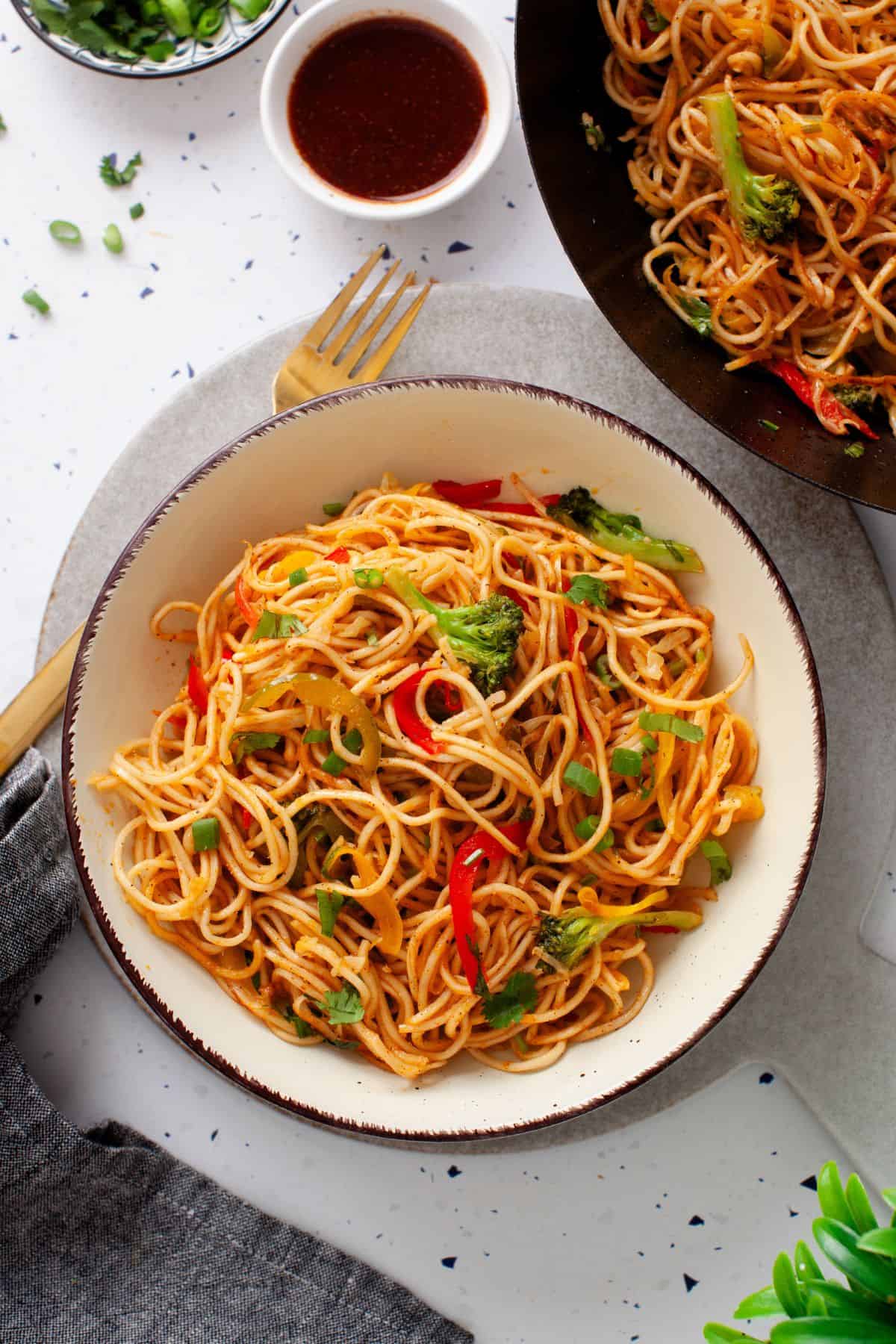
Sauce playbook: 5 restaurant staples, 15-minute methods
These quick sauces cover most cravings. Use the core method above. Each notes key cues so you can nail How to Cook Restaurant Style Pasta at Home with confidence.
Pomodoro (bright tomato)
- Sauté a grated clove of garlic in olive oil until fragrant.
- Add crushed canned tomatoes, a pinch of salt, and a leaf of basil. Simmer 8 to 10 minutes.
- Finish with butter or oil and a spoon of pasta water. Toss with spaghetti.
Aglio e olio (garlic and oil)
- Warm sliced garlic in olive oil on low until just pale gold. Add a pinch of chili.
- Kill the heat with pasta water to stop the fry.
- Toss with spaghetti and parsley. Finish with oil, lemon, and a little cheese if you like.
Cacio e pepe (cheese and pepper)
- Toast cracked black pepper in a dry pan. Add a ladle of pasta water.
- Off heat, whisk in fine grated Pecorino to make a paste.
- Add pasta and more water. Toss hard until glossy. Keep heat low to avoid clumps.
Alfredo (butter and cheese)
- Melt butter with a splash of pasta water.
- Add fettuccine and toss. Off heat, rain in Parm while mixing.
- Adjust with warm water for a silky coat.
Vodka sauce (tomato cream)
- Sauté shallot in oil. Stir in tomato paste. Cook until brick red.
- Add a shot of vodka. Reduce. Add cream. Simmer 2 to 3 minutes.
- Toss with penne. Finish with Parm and a dot of butter.

Chef tips, science, and quick fixes
Practical lessons from my kitchen help a lot. These are the small things that lift home pasta to the next tier. They also show How to Cook Restaurant Style Pasta at Home with fewer errors.
Common mistakes to avoid:
- Water not salty enough. Result: bland pasta. Fix: season to 1.5 to 2 percent.
- Overcooked pasta. Result: mush. Fix: pull it early and finish in sauce.
- Dry or oily sauce. Result: no emulsion. Fix: add pasta water and toss hard.
- Clumpy cheese. Result: grainy sauce. Fix: lower heat and use fine grated cheese.
- Rinsing pasta. Result: no starch. Fix: transfer straight to the pan.
Science-backed cues that work:
- Gloss is your green light. A shiny coat means the starch-fat emulsion formed.
- Sound helps. A wet hiss in the pan means moisture is present. A squeak means it is too dry.
- Texture rules. Al dente should have a thin white dot in the core when bitten.
Real-life pro tips:
- Use a wide pan. More surface area means faster reduction and better emulsion.
- Grate cheese very fine. It melts fast and smooth.
- Warm your bowls. Hot pasta cools fast in a cold plate.
Can I skip finishing pasta in the pan?
You can, but you will lose gloss and depth. Finishing in the pan is the core move in How to Cook Restaurant Style Pasta at Home.
Why does my sauce break or look greasy?
Too much heat when adding cheese or butter can split the emulsion. Kill the heat, add pasta water, and toss to bring it back.
How much salt do I add to pasta water?
Aim for 1.5 to 2 percent by weight. For a home pot, that is about 2 tablespoons kosher salt per 4 quarts.

Timings and ratios for perfect doneness
Shapes cook at different speeds. Use the box time as a guide, then taste. Pull pasta 1 to 2 minutes early so you can finish it in the pan. This habit is central to How to Cook Restaurant Style Pasta at Home.
Typical ranges:
- Spaghetti and linguine: 8 to 10 minutes to al dente
- Penne and rigatoni: 10 to 12 minutes to al dente
- Shells and orecchiette: 11 to 13 minutes to al dente
- Fresh egg pasta: 2 to 4 minutes to tender with bite
Working ratios:
- Water to pasta: at least 1 quart per 4 ounces pasta
- Salt: 1.5 to 2 percent by weight
- Sauce: enough to coat, not drown; add pasta water for body
Taste trumps the clock. Bite a piece. If the center is firm but not raw, move it to the pan. That is how chefs keep control.
Plating, garnishes, and pairings
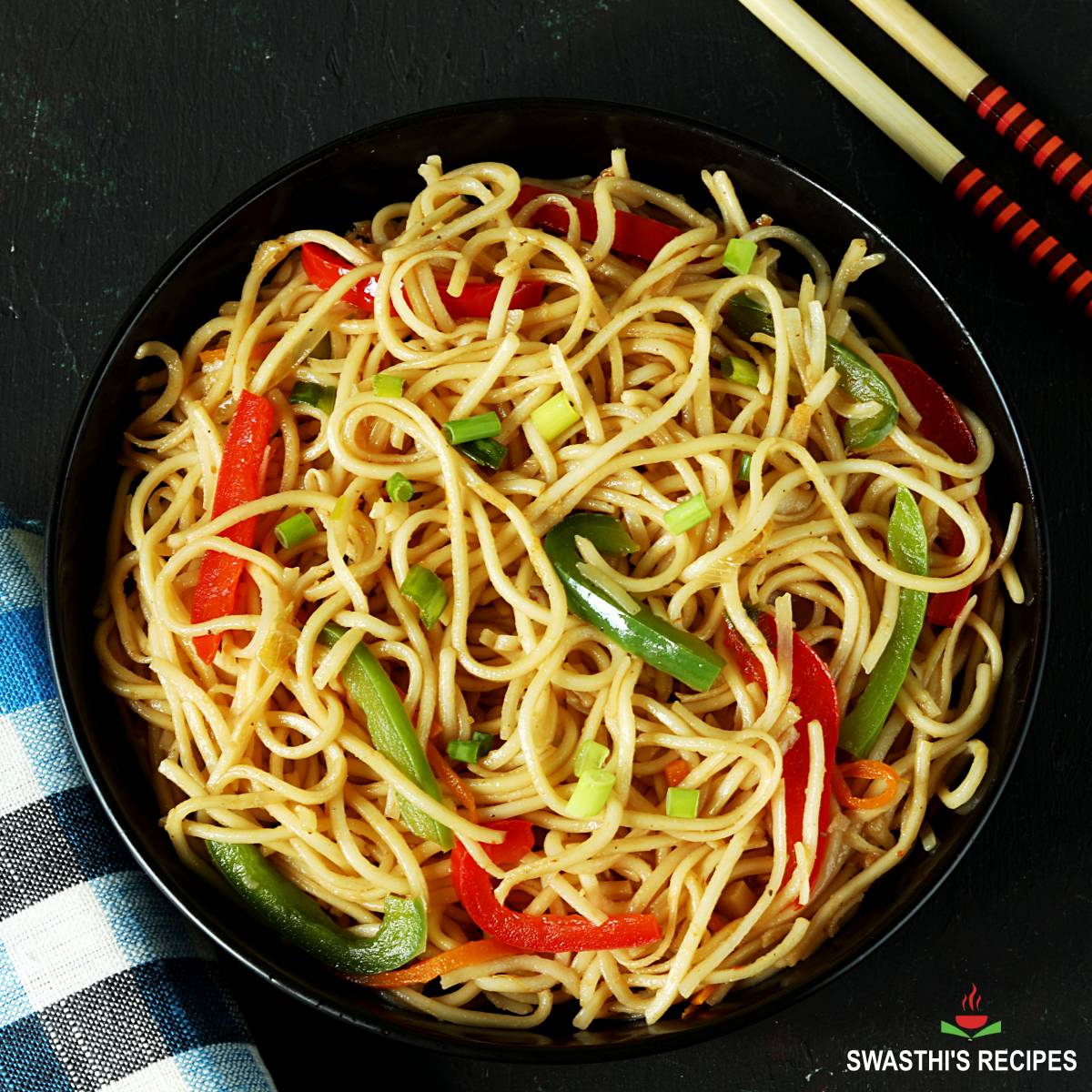
Restaurant plates look clean and vivid. You can copy that look at home with ease. This polish helps sell the dish and shows you know How to Cook Restaurant Style Pasta at Home.
Plating moves:
- Twirl long pasta with tongs into a tall nest.
- Spoon tubes so each piece looks coated and even.
- Wipe the rim of the bowl before serving.
Finishing touches:
- Microplane a light snow of cheese over the top.
- Add a thin thread of olive oil and a crack of pepper.
- Use fresh herbs for color and aroma.
Simple sides:
- Pair with a crisp salad and bright vinaigrette.
- Serve garlic bread or warm focaccia.
- Choose a light red or a dry white if you drink wine.
Meal prep and weeknight shortcuts that still taste pro
You can save time and keep quality high. These tricks come from busy services and even busier weeknights. They help you hold the line on How to Cook Restaurant Style Pasta at Home when life gets loud.
Smart prep:
- Par-cook dried pasta 2 minutes under al dente. Toss with a little oil. Chill on a tray. Reheat in boiling water for 30 to 60 seconds, then finish in sauce.
- Portion sauces in jars or freezer cubes. Reheat gently and refresh with pasta water.
- Keep a jar of toasted pepper and pre-grated cheese for fast cacio e pepe.
Shop wise:
- Buy high-protein, bronze-cut pasta. It has rough texture that holds sauce.
- For fresh pasta nights, cook within 2 days or freeze at once.
Quality guards:
- Avoid rinsing or oiling pasta right before saucing. You need surface starch.
- If reheating leftovers, splash with water and warm in a pan, not a microwave.

Frequently Asked Questions of How to Cook Restaurant Style Pasta at Home
What does al dente mean and why does it matter?
Al dente means tender with a slight bite at the core. It holds shape, resists mush, and absorbs sauce better.
Do I really need pasta water for sauce?
Yes. The starch and salt in pasta water help bind fat and liquid. It makes sauce glossy and helps it cling.
Which pasta shape should I use for each sauce?
Long strands love thin, oil-based sauces. Tubes and ridged shapes fit chunky or creamy sauces best.
Can I make dairy-free creamy pasta?
Yes. Use olive oil, starchy pasta water, and a puree like roasted squash. Blend until smooth, then finish in the pan.
How do I reheat pasta without drying it out?
Warm it in a pan with a splash of water or stock. Toss until the sauce loosens and shines again.
Conclusion
You now know the core moves, the science, and the feel. Salt the water, time the cook, and finish in the pan with pasta water. That is the reliable path for How to Cook Restaurant Style Pasta at Home.
Start with one sauce this week and master it. Then rotate through the playbook and build skill by feel. Share your results, ask a question, or subscribe for more step-by-step guides.