Build flavor in layers, simmer gently, and season in stages for rich soup.
If you want to learn How to Cook Soup like a pro, you are in the right place. I have spent years in busy kitchens and quiet home stoves testing every trick, from clear broths to creamy blends. This guide breaks down How to Cook Soup with simple steps, smart science, and real tips you can trust. Read on to master base techniques, flavor moves, timing, and fixes that work every time.
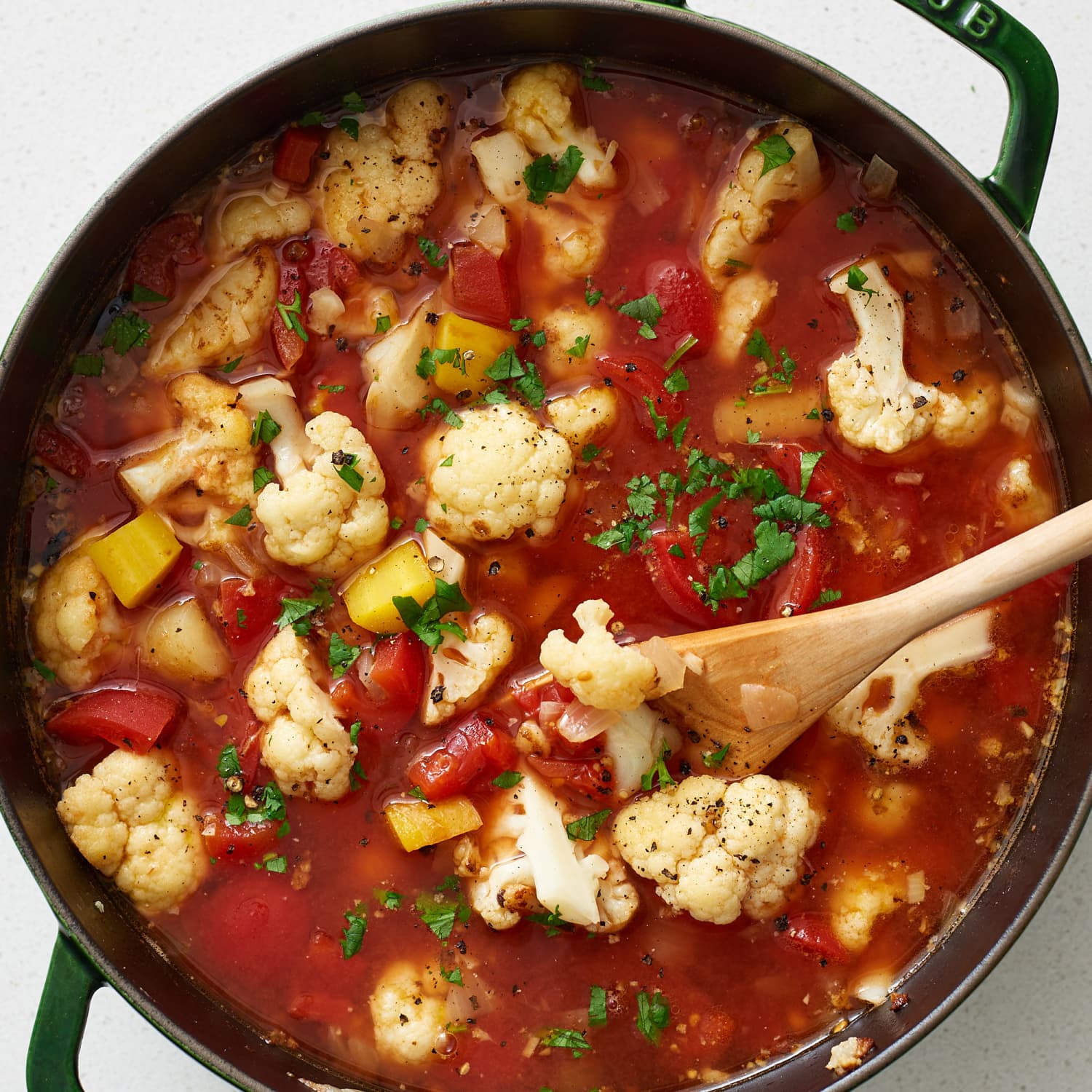
The Building Blocks: What Makes Great Soup
Great soup starts with balance. You want depth, body, and a clean finish. When each part is set right, the bowl sings.
Core components you will use often:
- Aromatics: Onion, celery, carrots, garlic, leeks, scallions, ginger.
- Fat: Olive oil, butter, chicken fat, coconut oil.
- Liquid: Stock, broth, water, tomato puree, coconut milk.
- Body: Vegetables, legumes, noodles, rice, potatoes, meats.
- Seasoning: Salt, pepper, herbs, spices, acids like lemon or vinegar.
- Finishers: Fresh herbs, a squeeze of citrus, grated cheese, chili oil.
From my line cook days, I learned one key truth: small steps, done well, beat fancy tricks. Sweat your aromatics. Mind the simmer. Taste often. That is the heart of How to Cook Soup.
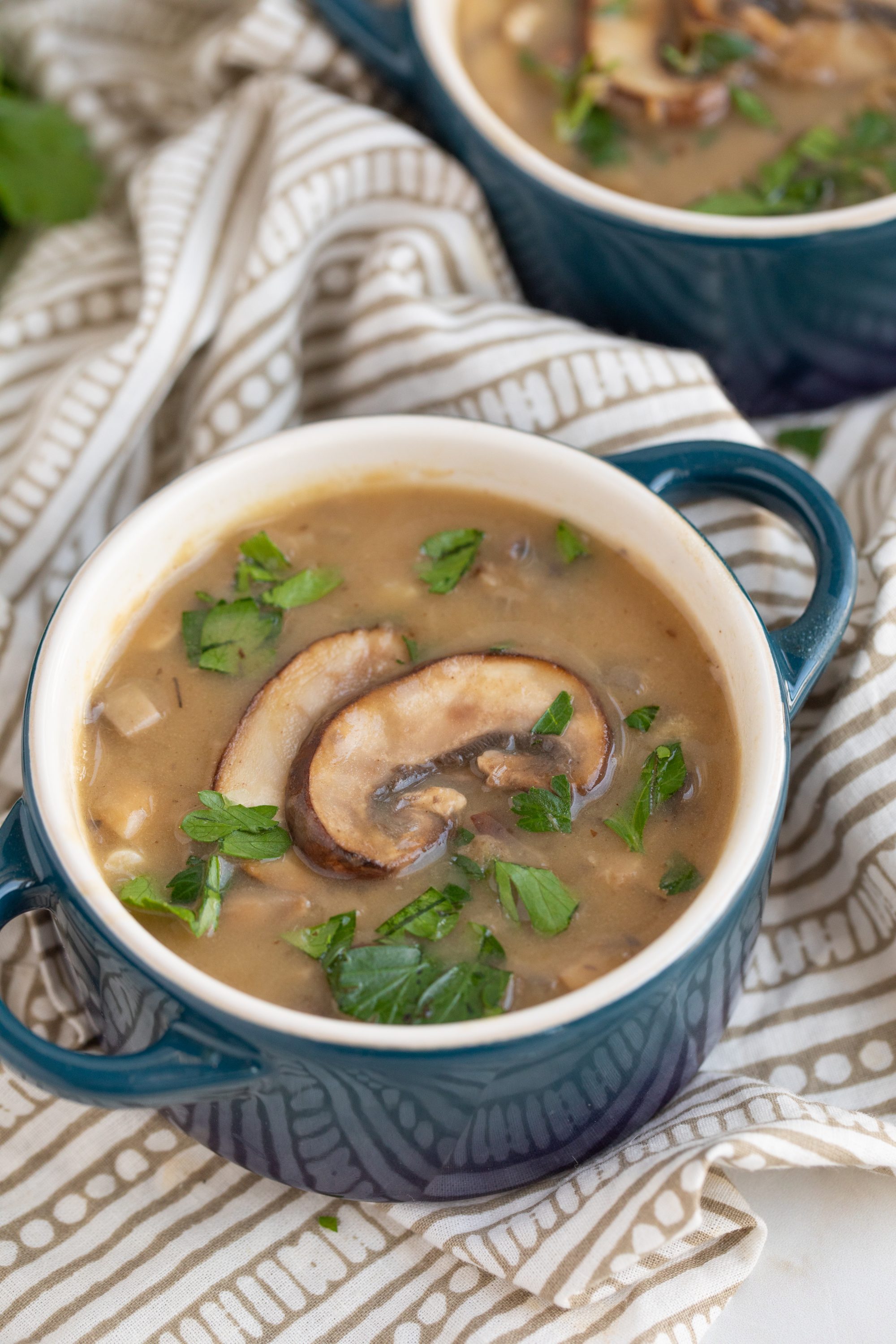
Gear and Ingredients You Actually Need
You do not need fancy tools. A few solid items will carry you far.
Tools:
- A heavy pot: A Dutch oven or a thick stockpot.
- A sharp knife and a stable board.
- A ladle, a wooden spoon, and a fine strainer.
- An immersion blender for creamy soups.
Pantry and fridge basics:
- Aromatics and neutral oil.
- Good stock or broth. Low-sodium gives you control.
- Tomato paste for depth.
- Whole spices, dried herbs, bay leaves.
- Acid: Lemon, vinegar, or wine.
- Umami boosts: Soy sauce, miso, fish sauce, Parmesan rind, mushrooms.
Tip: Keep frozen stock cubes and a bag of chopped onions on hand. Fast starts make How to Cook Soup more fun on busy nights.

Step-by-Step: How to Cook Soup
Follow this method for most styles. It works for brothy bowls and creamy blends.
-
Sweat aromatics
Add oil to a warm pot. Stir onions, celery, and carrots with a pinch of salt until soft and sweet. -
Brown for depth when needed
For meat or mushrooms, brown in batches. Leave space so they color, not steam. -
Add flavor base
Stir in garlic, tomato paste, or spices for 30 to 60 seconds. Let them bloom and smell bold. -
Deglaze
Splash in wine, stock, or water. Scrape up the brown bits. That is free flavor. -
Add liquid and main items
Pour in stock and add proteins or firm vegetables. Bring to a gentle simmer. Aim for small bubbles, not a boil. -
Skim and simmer
Remove foam or fat as it rises. Simmer until tender. Most soups sit best at 180 to 205°F. -
Starches and greens last
Add pasta, rice, or quick-cooking veg near the end so they do not mush. -
Season in stages
Salt early for penetration, adjust mid-cook, and finish with acid and herbs. Taste every 10 minutes. -
Finish and rest
Add lemon, vinegar, or a pat of butter for shine. Let the soup sit 5 minutes. Then serve.
Pro move I teach new cooks: write timing on a sticky note. It keeps you calm and makes How to Cook Soup smooth and repeatable.
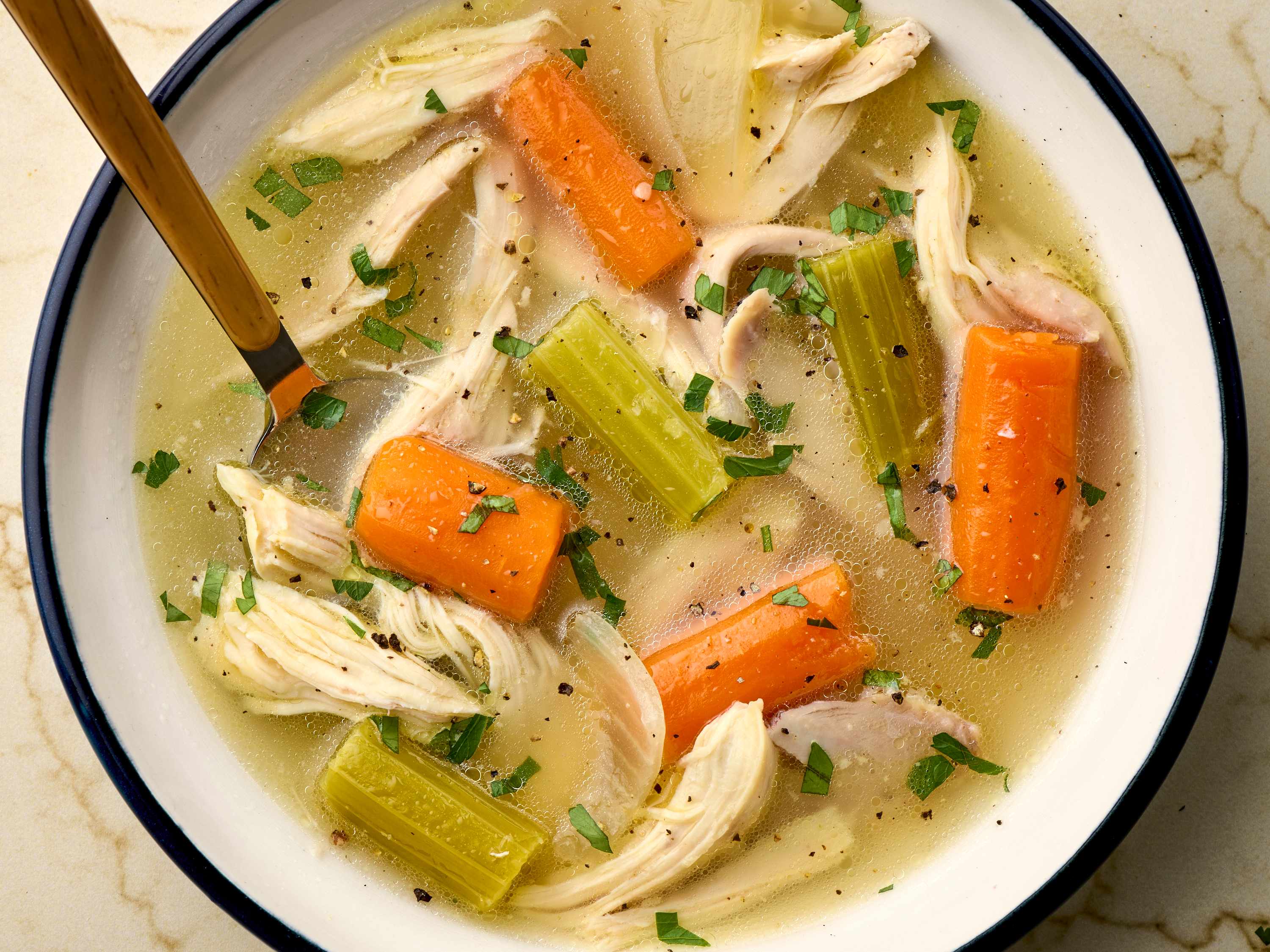
Flavor-Building Techniques
Use these methods to go from good to wow.
- Mirepoix and friends: Onion, celery, carrot is classic. Try leek and potato. Or Latin sofrito with peppers and cilantro.
- Fond is flavor: Brown bits on the pot floor are gold. Deglaze to save them.
- Roux vs slurry: For creamy body, cook flour in fat for a roux. For a quick thicken, mix cornstarch with cold water and stir it in at the end.
- Herb bundles: Tie thyme, parsley stems, and bay. Lift them out when done.
- Umami ladder: Layer mushrooms, soy, miso, anchovy, or Parmesan rind. Use a little at a time.
- Salt and acid: If flavor feels flat, do not just add salt. Try lemon, vinegar, or a splash of wine.
My rule of thumb: if it smells great, you are close. If it smells dull, toast the spices or add a small acid bump.
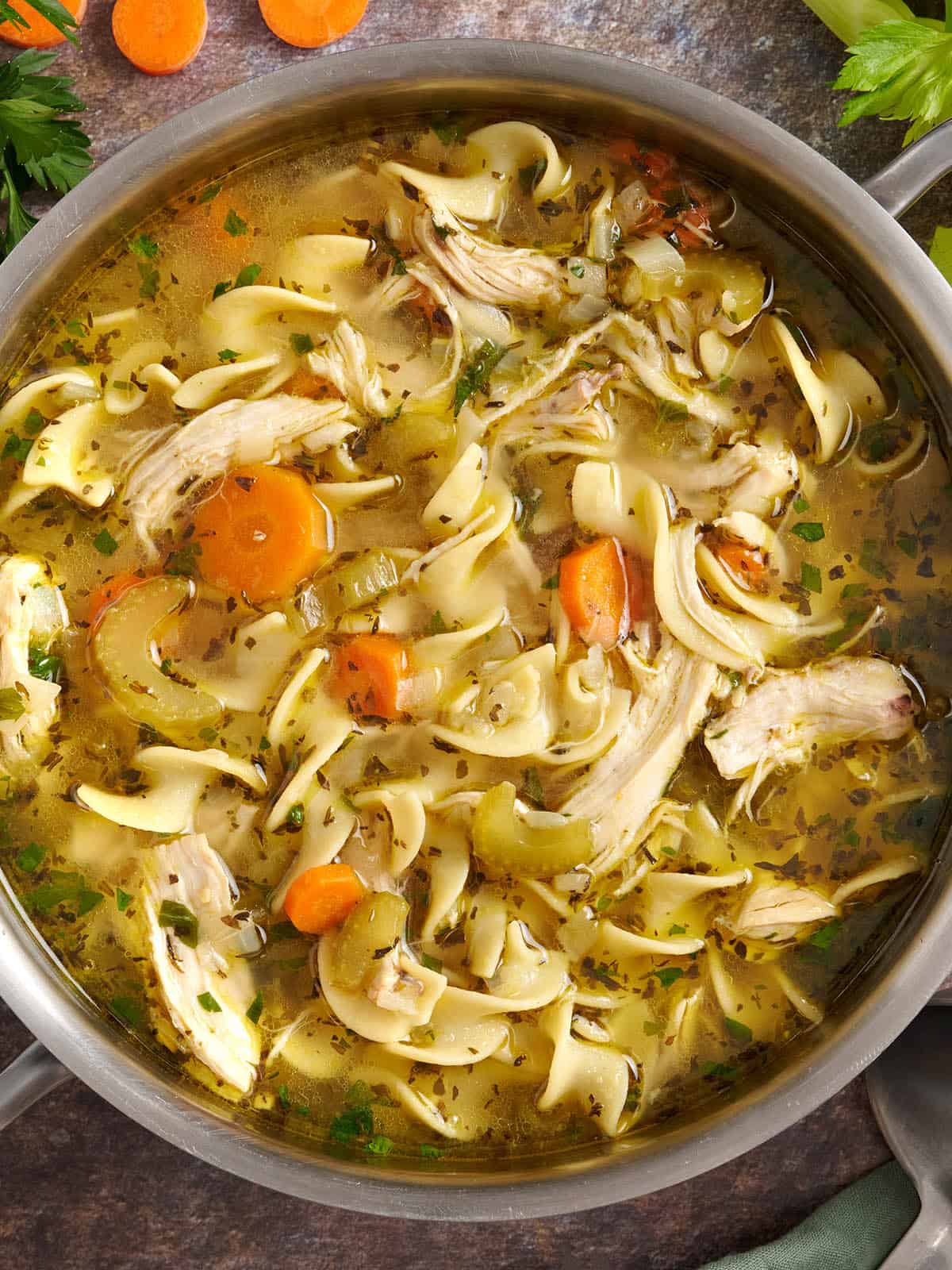
Stocks and Broths 101
Know your base and you will know How to Cook Soup.
- Stock: Made from bones and aromatics. Rich body, gentle flavor.
- Broth: Made from meat and aromatics. Lighter body, more direct taste.
- Bone broth: Long-simmered bones. High in collagen.
- Court bouillon: Fast poaching liquid with herbs and acid for fish or veg.
Quick 30-minute vegetable stock:
- Sauté onion, carrots, and celery.
- Add mushroom stems, peppercorns, bay, and parsley stems.
- Simmer in water 30 minutes. Strain and season lightly.
Popular Styles and Templates You Can Master
Use these flexible templates and swap as you like.
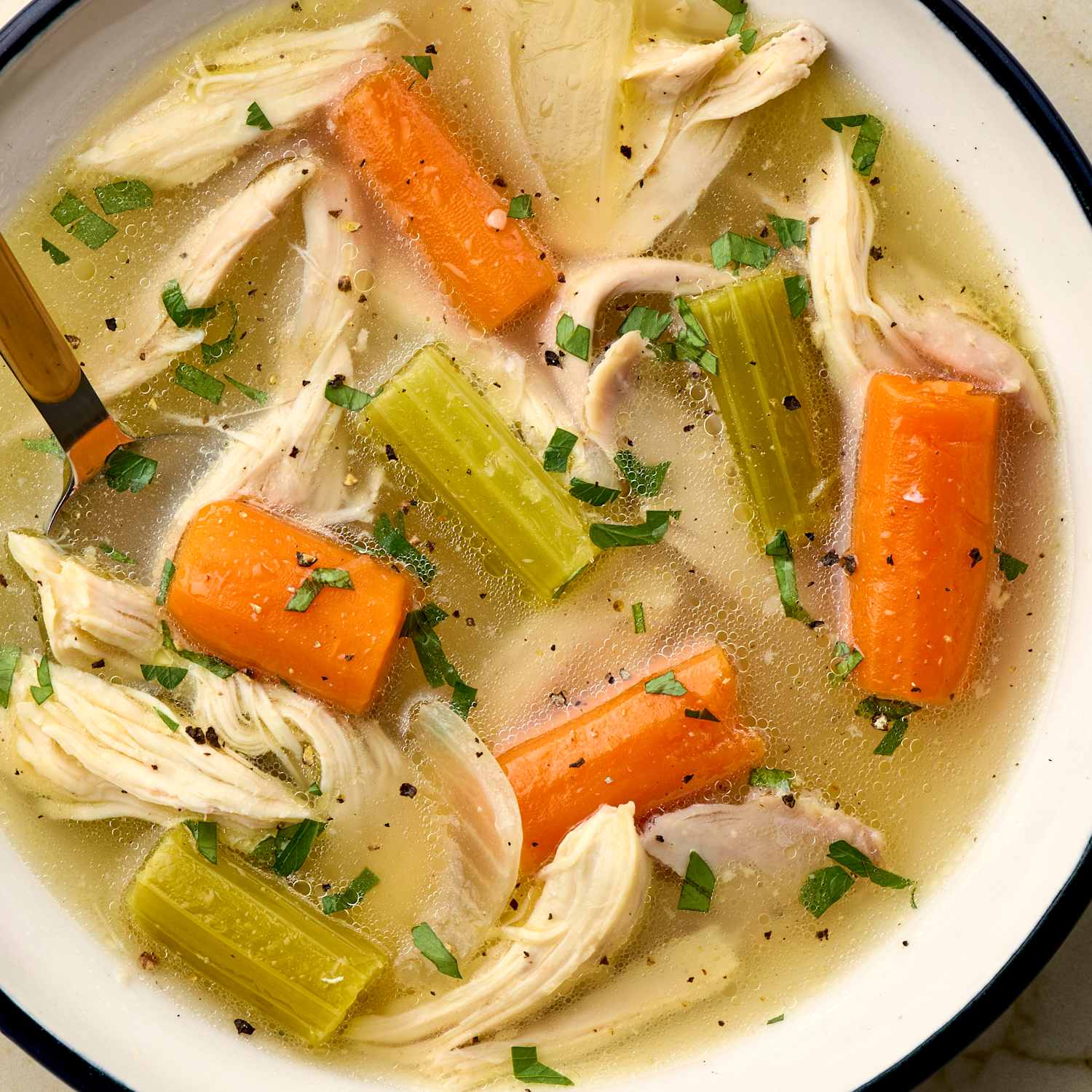
- Sweat onion, carrot, celery. Add garlic.
- Add chicken stock and diced chicken thighs. Simmer.
- Add noodles near the end. Finish with parsley and lemon.
Tomato basil
- Sauté onion and garlic. Add tomato paste and crushed tomatoes.
- Simmer with stock. Blend smooth.
- Add cream if you like and fresh basil.
Minestrone
- Build a vegetable base. Add tomatoes, beans, and stock.
- Stir in pasta and greens at the end.
- Top with olive oil and grated cheese.
Lentil soup
- Toast spices like cumin. Add onion, carrot, garlic.
- Stir in lentils and stock. Simmer till soft.
- Finish with lemon and herbs.
Creamy squash
- Roast squash for deeper flavor. Sauté onion and sage.
- Add stock, simmer, then blend.
- Finish with a little cream or coconut milk.
Each template fits the same core method. Repeat it to lock in muscle memory for How to Cook Soup.
Nutrition and Dietary Swaps
Soup can be light or hearty. You choose the balance.
- For protein: Add beans, lentils, chicken, tofu, or shrimp.
- For fiber: Use legumes, barley, farro, or leafy greens.
- For low sodium: Start with low-salt stock. Use acid and herbs for lift.
- For dairy-free: Blend cashews or use coconut milk.
- For gluten-free: Swap pasta for rice or potatoes. Thicken with a cornstarch slurry.
Tip from meal-prep clients: cook starches on the side. Add them to each bowl. This keeps texture fresh across the week and makes How to Cook Soup work better for leftovers.

Troubleshooting and Fixes
- Too salty: Add water, unsalted stock, or a handful of raw potatoes, then remove them. Acid can help balance.
- Bland: Add salt in small pinches, then lemon, vinegar, or soy. Taste again.
- Oily: Chill and lift the top fat. Or drag a slice of bread over the surface to absorb.
- Too thin: Reduce with a simmer, add a slurry, or blend a small portion of the soup.
- Too thick: Add warm stock and stir.
- Bitter: Add a pinch of sugar or a pat of butter. Check burnt spices.
- Mushy pasta: Cook it less or boil it on the side and add at serving.
When I trained new staff, I had them fix one “broken” pot each shift. It taught them How to Cook Soup under pressure and how to rescue mistakes fast.

Storage, Meal Prep, and Food Safety
Safe soup is great soup.
- Cool fast: Divide into shallow containers or use an ice bath. Chill within two hours.
- Fridge life: Most soups keep 3 to 4 days.
- Freeze: Leave headspace for expansion. Freeze up to three months.
- Thaw: In the fridge overnight or in a cold-water bath.
- Reheat: Bring to a rolling heat and hold until 165°F. Avoid boiling cream soups hard.
Label with date and name. You will thank yourself when you pull a mystery container at 7 p.m.
Common Mistakes to Avoid
- Boiling hard: It makes broth cloudy and meat tough. Use a gentle simmer.
- Adding all at once: Stagger ingredients so each hits perfect doneness.
- Skipping aromatics: Your base will lack depth.
- Forgetting acid: A few drops at the end can brighten the whole pot.
- Overthickening early: Thicken late so you can adjust.
- Using weak stock: Taste your base before you start.
- Not tasting often: Season in layers to nail How to Cook Soup every time.
Frequently Asked Questions of How to Cook Soup
How long should soup simmer?
Most soups need 20 to 45 minutes. Tough cuts or beans may need longer until tender.
Can I make good soup with only water?
Yes, if you build strong flavor in the pot. Sweat aromatics well, brown ingredients, and season with herbs, spices, and umami boosters.
When do I add pasta or rice?
Add it near the end so it stays firm. If you plan leftovers, cook starches on the side and add per bowl.
How do I thicken soup without cream?
Blend a portion of the soup and stir it back in. Or use a cornstarch slurry, pureed beans, or cooked rice.
What is the best way to reheat soup?
Bring it to a steady simmer and heat to 165°F. Add fresh herbs and a splash of acid right before serving.
How to Cook Soup for picky eaters?
Keep textures simple and flavors mild. Blend smooth, use familiar items like chicken and noodles, and let people add toppings at the table.
Conclusion
You now have a clear, repeatable method for rich flavor, perfect texture, and steady results. Practice the base steps, then tweak one element at a time to lock in your style. The more you repeat How to Cook Soup, the easier it becomes to cook by feel.
Pick a template, set a timer, and make a pot this week. Share your go-to finishes or questions in the comments, and subscribe for more hands-on guides and fresh recipes.