Heat a greased cast-iron skillet, mix cornmeal batter, bake until golden, tender cornbread.
If you have ever wondered How to Cook Cornbread so it’s crisp at the edges, moist inside, and full of rich corn flavor, you are in the right kitchen. I have baked it in restaurants and at home for years, testing every style and pan. Below is a clear, friendly guide that shows exactly How to Cook Cornbread with confidence, from ingredients to expert tips you can trust.
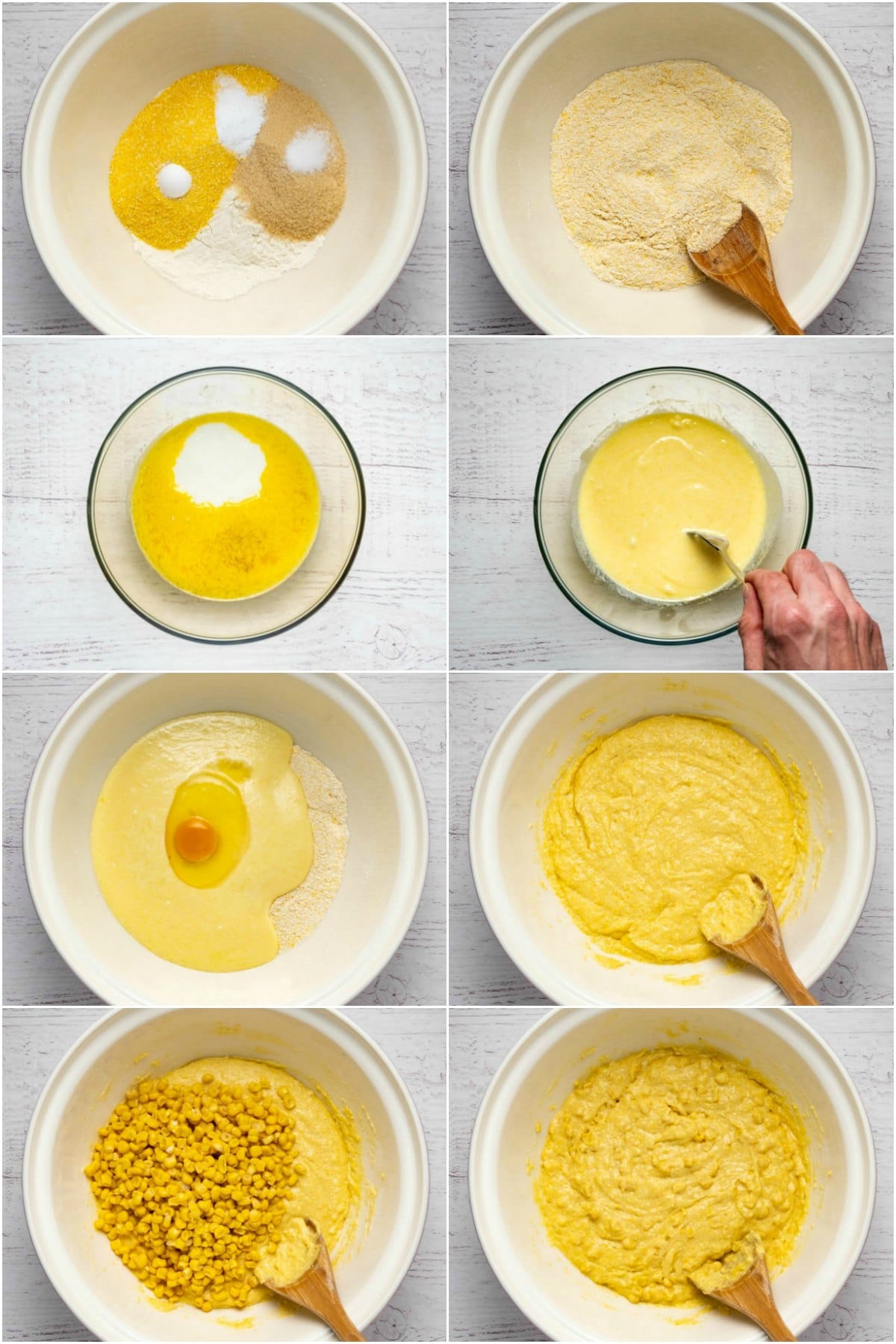
Choosing Your Cornmeal, Fats, and Sweeteners
Great cornbread starts with the right pantry choices. If you want to master How to Cook Cornbread, begin by picking quality cornmeal and a fat that adds flavor.
- Cornmeal type. Stone-ground cornmeal gives big corn flavor and a rustic crumb. Medium-grind is a balanced choice for most recipes. Fine-grind bakes up softer but can taste less corny.
- Flour or no flour. Adding all-purpose flour creates a softer, cake-like bite. All-cornmeal bakes up crumblier with more grit. I use a small amount of flour for lift and tenderness.
- Leavening. Fresh baking powder gives a better rise. If using buttermilk or an acid like lemon juice, add a little baking soda to balance the acidity.
- Dairy. Buttermilk makes tender, tangy cornbread. Whole milk works with a touch more fat. Non-dairy milk plus a splash of lemon juice also works.
- Fats. Butter adds flavor. Oil keeps it moist longer. Bacon drippings give a smoky edge that screams cast iron.
- Sweetener. Sugar or honey is optional. A little rounds the corn flavor without making it cake-sweet.
Key balance I use at home most nights: plenty of cornmeal for flavor, enough flour for structure, and hot fat in the skillet for that golden crust. That combo is the heart of How to Cook Cornbread well.
Tools and Setup for Success
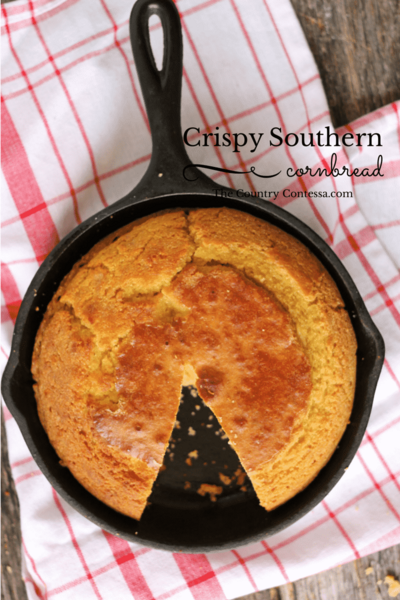
Simple tools help you nail the bake every time. If you want consistent results and to truly learn How to Cook Cornbread, invest in one good skillet.
- Cast-iron skillet. A 10-inch skillet gives the best crust and browning. Preheat it.
- Oven thermometer. Ovens lie. Check that 425°F is actually 425°F.
- Bowls and a whisk. You want to mix quickly and gently.
- A flexible spatula. Helps fold in wet and dry without overmixing.
- A quick-read thermometer. Doneness lands around 200°F in the center.
Preheating the skillet with a tablespoon of fat is the biggest win. Hot metal starts the crust on contact and gives that signature sizzle that separates good from great.
:max_bytes(150000):strip_icc()/17891-golden-sweet-cornbread-ddmfs-beauty-4x3-BG-25990-bcabebac0323419abdf0497ee3383003.jpg)
Step-by-Step: How to Cook Cornbread in a Cast-Iron Skillet
Here is my go-to method when friends ask How to Cook Cornbread for chili night. It is simple, fast, and reliable.
Ingredients for a 10-inch skillet:
- 1 cup stone-ground cornmeal
- 1 cup all-purpose flour
- 1 tablespoon baking powder
- 1/2 teaspoon baking soda
- 1 teaspoon fine salt
- 2 tablespoons sugar or honey, optional
- 2 large eggs
- 1 1/2 cups buttermilk
- 4 tablespoons melted butter or neutral oil, plus 1 tablespoon for the skillet
Steps:
- Heat the oven to 425°F. Put a 10-inch cast-iron skillet on the middle rack to preheat.
- In a bowl, whisk cornmeal, flour, baking powder, baking soda, salt, and sugar if using.
- In another bowl, whisk eggs, buttermilk, and melted butter. Keep it smooth but quick.
- Pour wet into dry. Stir just until combined. Stop when you no longer see dry flour.
- Pull the hot skillet from the oven. Add 1 tablespoon fat. It should shimmer.
- Pour in the batter. You should hear a light sizzle around the edges.
- Bake 18 to 22 minutes. Rotate once if your oven has hot spots.
- Check for doneness. The top is golden, edges pull slightly, and a pick comes out clean.
- For a precise check, the center should read about 200°F.
- Rest 10 minutes. Slice into wedges. Serve warm with butter or honey.
Notes from my kitchen:
- If your batter sits while the oven heats, it can lose lift. Mix right before baking.
- For muffins, bake at 400°F for 12 to 15 minutes and check early.
This is the most direct path to learn How to Cook Cornbread that is crisp, moist, and sturdy enough to dunk in a bowl of stew.
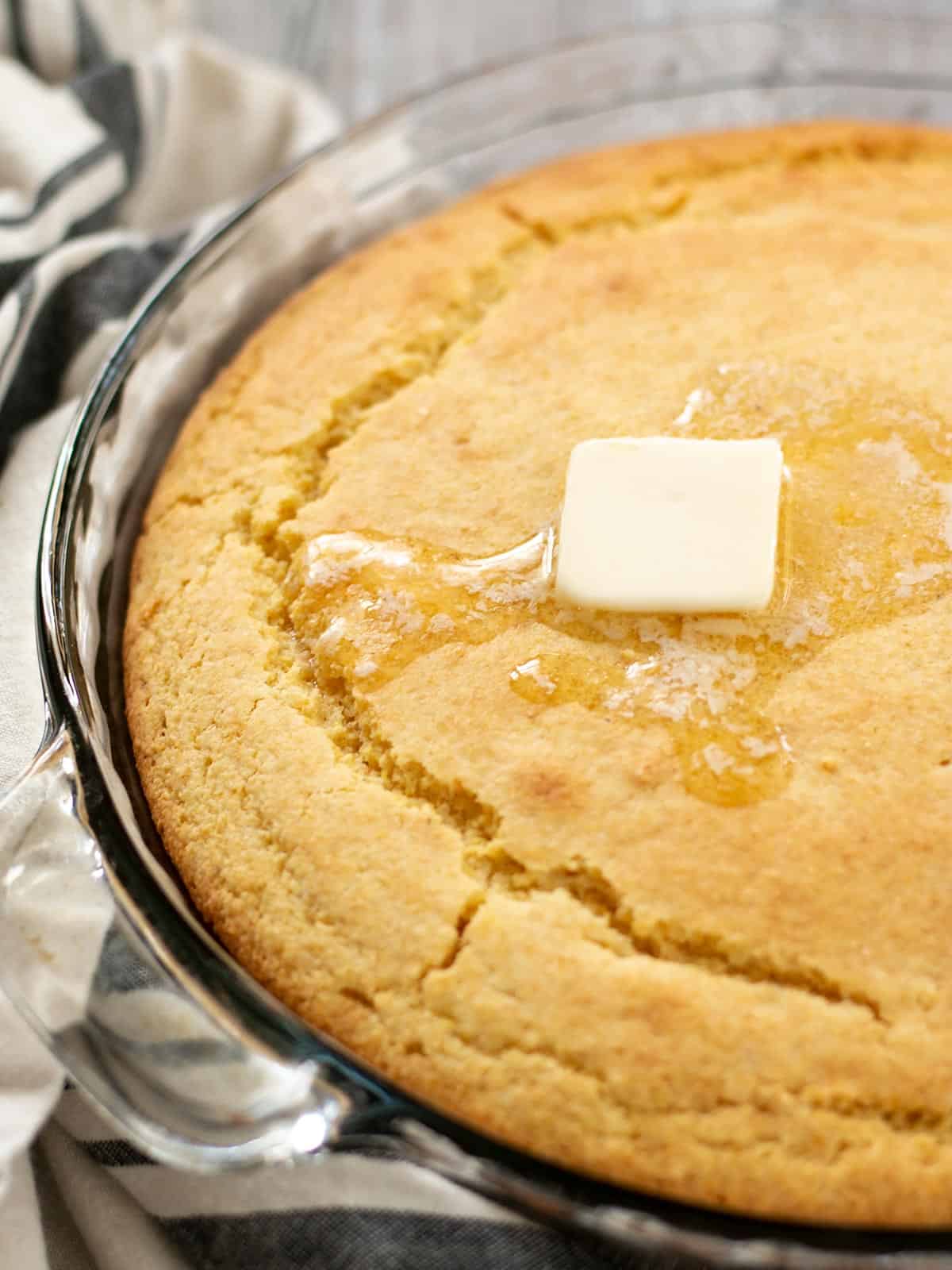
Variations: Sweet Northern, Savory Southern, and Beyond
There is no single right way to learn How to Cook Cornbread. Taste and tradition shape the style.
- Classic Southern. Little to no sugar. Use bacon drippings and stone-ground meal. Aim for a bold, toasty crust in cast iron.
- Northern-style. A touch sweeter and a bit softer. Use a little more flour and sugar or honey.
- Jalapeño cheddar. Fold in chopped jalapeños and shredded sharp cheddar. Add corn kernels for pop.
- Herb and scallion. Add minced chives or green onions and a pinch of black pepper.
- Dairy-free. Use plant milk with 1 teaspoon lemon juice per cup, and oil instead of butter.
- Gluten-free. Swap flour for a 1:1 gluten-free blend, or use all cornmeal and an extra egg for hold.
The rule of thumb holds: hot skillet, fresh leaveners, and do not overmix the batter.
:max_bytes(150000):strip_icc()/Simply-Recipes-Southern-Cornbread-LEAD-07-adc04e4ac0f8494cb3e20715cfe11316.jpg)
Troubleshooting, Pro Tips, and Common Mistakes
If you follow these notes, you will feel at ease with How to Cook Cornbread in any kitchen.
- Dry or crumbly. You used too much cornmeal or overbaked. Add a little more fat next time and pull it a minute earlier.
- Dense and flat. Old baking powder or overmixing. Replace leaveners every 6 months and stir gently.
- Pale top, soggy center. Oven temp too low or pan not hot. Preheat the skillet longer and verify oven temp.
- Bitter taste. Too much baking soda or not enough acid. Use buttermilk or add a spoon of lemon juice.
- Sticking to the pan. Skillet was not hot or not enough fat. Heat the pan first and swirl the fat to coat.
Pro tips I swear by:
- Let batter hydrate for 3 minutes before baking if using coarse meal. It blooms flavor without overmixing.
- Add a spoon of honey to melted butter for brushing the top right out of the oven.
- For smoky depth, warm your buttermilk slightly. Cold batter in a hot pan firms up too fast at the edges.
These small moves turn a good bake into a memorable one, and they define How to Cook Cornbread that people ask for again.
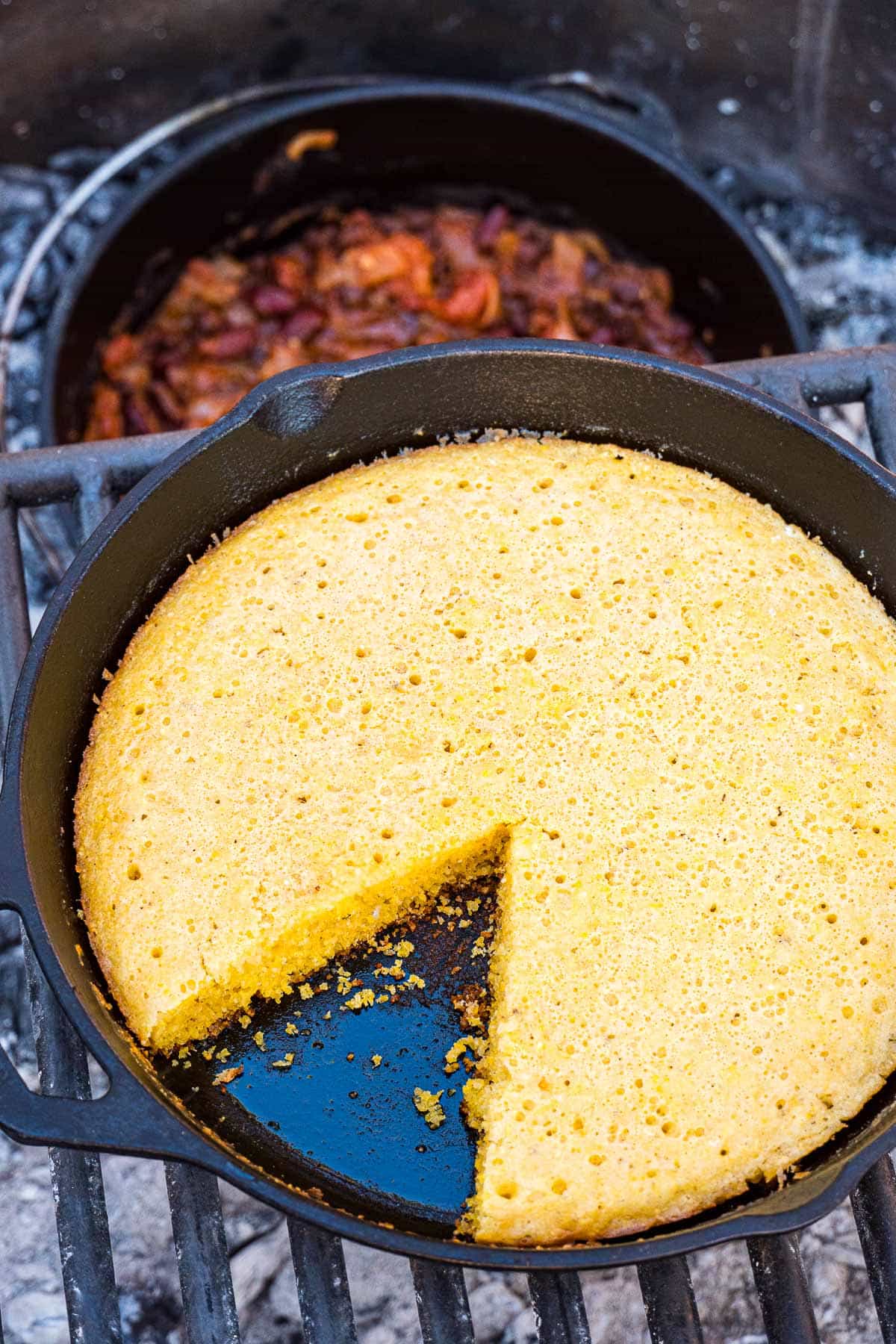
Serving, Storage, and Reheating
Serving well is part of How to Cook Cornbread like a pro. The right sides and smart storage keep texture and flavor strong.
Serving ideas:
- Pair with chili, BBQ, fried chicken, or a pot of beans.
- Top with honey butter, apple butter, or a swipe of hot pepper jelly.
- Crumble into stuffing, breakfast casseroles, or salads.
Storage and reheating:
- Cool fully on a rack. Store airtight at room temp up to 2 days.
- For longer storage, freeze slices up to 2 months. Wrap well to prevent dryness.
- Reheat at 350°F for 8 to 10 minutes, or on a buttered skillet over medium heat to re-crisp.
Nutrition and Smart Substitutions
You can lean hearty or light and still master How to Cook Cornbread that tastes great.
- Lighter swaps. Use oil instead of butter, reduce sugar, and add 2 tablespoons applesauce for moisture.
- Extra protein. Stir in a few tablespoons of Greek yogurt and reduce buttermilk slightly.
- Whole-grain. Choose stone-ground meal and swap half the flour for whole-wheat pastry flour.
- High altitude. Raise oven temp by 15 to 25°F, reduce baking powder by about 1/4 teaspoon, and add 1 to 2 tablespoons more liquid.
- More moisture. Fold in 1/2 cup corn kernels or 2 tablespoons creamed corn without making it gummy.
Adjusting these dials lets you shape flavor, texture, and nutrition without losing that crisp edge and tender crumb.
Frequently Asked Questions of How to Cook Cornbread
Do I need a cast-iron skillet to make cornbread?
No. You can use a metal cake pan or muffin tin. Preheat the pan with a little fat to mimic the cast-iron crust.
Can I make cornbread without buttermilk?
Yes. Use milk plus 1 teaspoon lemon juice or vinegar per cup. Let it sit 5 minutes, then proceed.
How do I keep cornbread moist?
Do not overbake, and use enough fat. A touch of honey or oil helps hold moisture without making it heavy.
What cornmeal grind is best?
Medium or stone-ground gives more flavor and texture. Fine-grind bakes softer but can taste less corny.
Why does my cornbread fall apart?
Too little flour or egg, or overbaking. Add a bit more flour or an extra egg and pull it earlier.
How can I tell when cornbread is done?
The top is golden, edges pull back, and a pick comes out clean. A center temp around 200°F is spot on.
Can I make cornbread gluten-free?
Yes. Use a 1:1 gluten-free flour blend or go all-cornmeal and add an extra egg for structure.
Conclusion
You now know How to Cook Cornbread with a crisp crust, a moist crumb, and real corn flavor. Choose good cornmeal, preheat your skillet, mix gently, and bake hot. Small habits like fresh leaveners and a quick rest make a big difference.
Pick a style, try one variation, and bake it this week. Share your favorite twist, subscribe for more step-by-step guides, or leave a comment with your best skillet tip.