How to boil eggs perfectly: use timed heat, an ice bath, and the right start for reliable results.
I have boiled thousands of eggs in home and test kitchens. I know what works and what fails. This guide shows clear steps and real tips so you can learn how to boil eggs perfectly every time. Read on to get easy methods, timing charts, and fixes for common problems.

Why perfect boiled eggs matter
A good boiled egg is simple food done well. Texture, taste, and peelability all change with a few minutes. Knowing how to boil eggs perfectly saves time and makes salads, breakfasts, and snacks much better.
Getting this right shows attention to detail. It also avoids waste from overcooked eggs or shells that refuse to peel. I’ll share tested methods so you can repeat the results.

What affects doneness
Several things change how an egg cooks. Learn them to control results.
- Egg size. Larger eggs need more time to set the yolk.
- Egg temperature. Cold-from-fridge eggs take longer to cook.
- Altitude. Higher altitudes need longer cooking due to lower boiling points.
- Freshness. Fresh eggs are harder to peel than older eggs.
- Method. Boiling, steaming, or starting in cold water yields different textures.
Knowing these makes learning how to boil eggs perfectly much easier. I adjust time for each factor in the steps below.

Tools and ingredients
Use simple tools for consistent results.
- A saucepan large enough for one layer of eggs.
- A lid to trap heat.
- A slotted spoon for moving eggs.
- A bowl of ice water for cooling.
- Fresh eggs or eggs stored a few days for easier peeling.
I prefer medium-large eggs from the fridge and a metal pot with a tight lid. Small changes in gear can change how to boil eggs perfectly, so keep tools steady.
:max_bytes(150000):strip_icc()/boiled-eggs-different-cook-times-photo-by-13-smile-gettyimages-910219308-2000-44fe733670eb4977983365a8d18728dd.jpg)
Step-by-step guide: how to boil eggs perfectly
This method focuses on reliability and simple timing. I give times for soft, medium, and hard yolks.
-
Prep eggs and water
- Place eggs in a single layer in the saucepan.
- Add cold tap water to cover eggs by about 1 inch.
- Cover the pot and bring water to a gentle boil over medium heat.
-
Time from boil
- When water reaches a rolling boil, turn off heat and keep lid on.
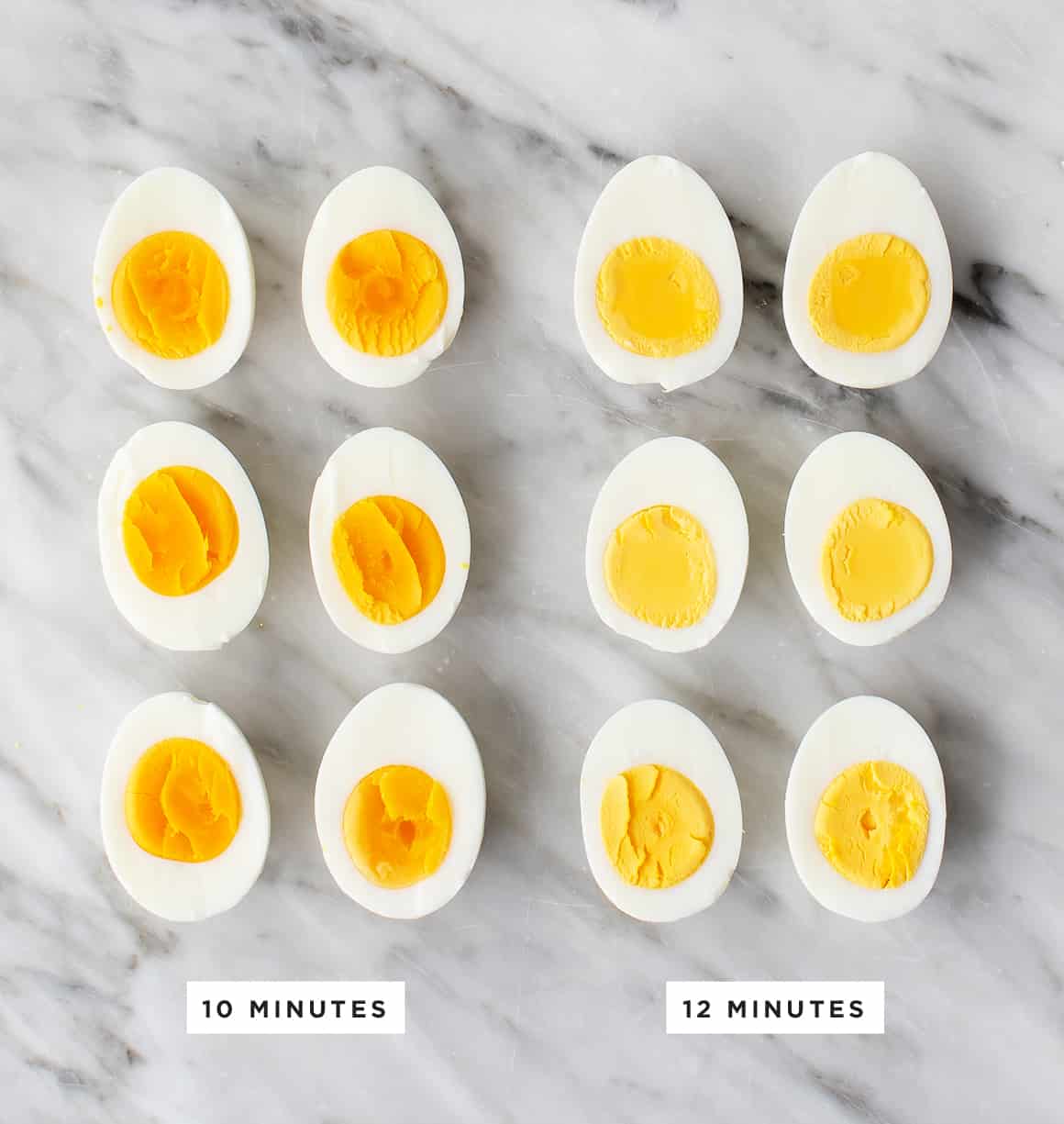
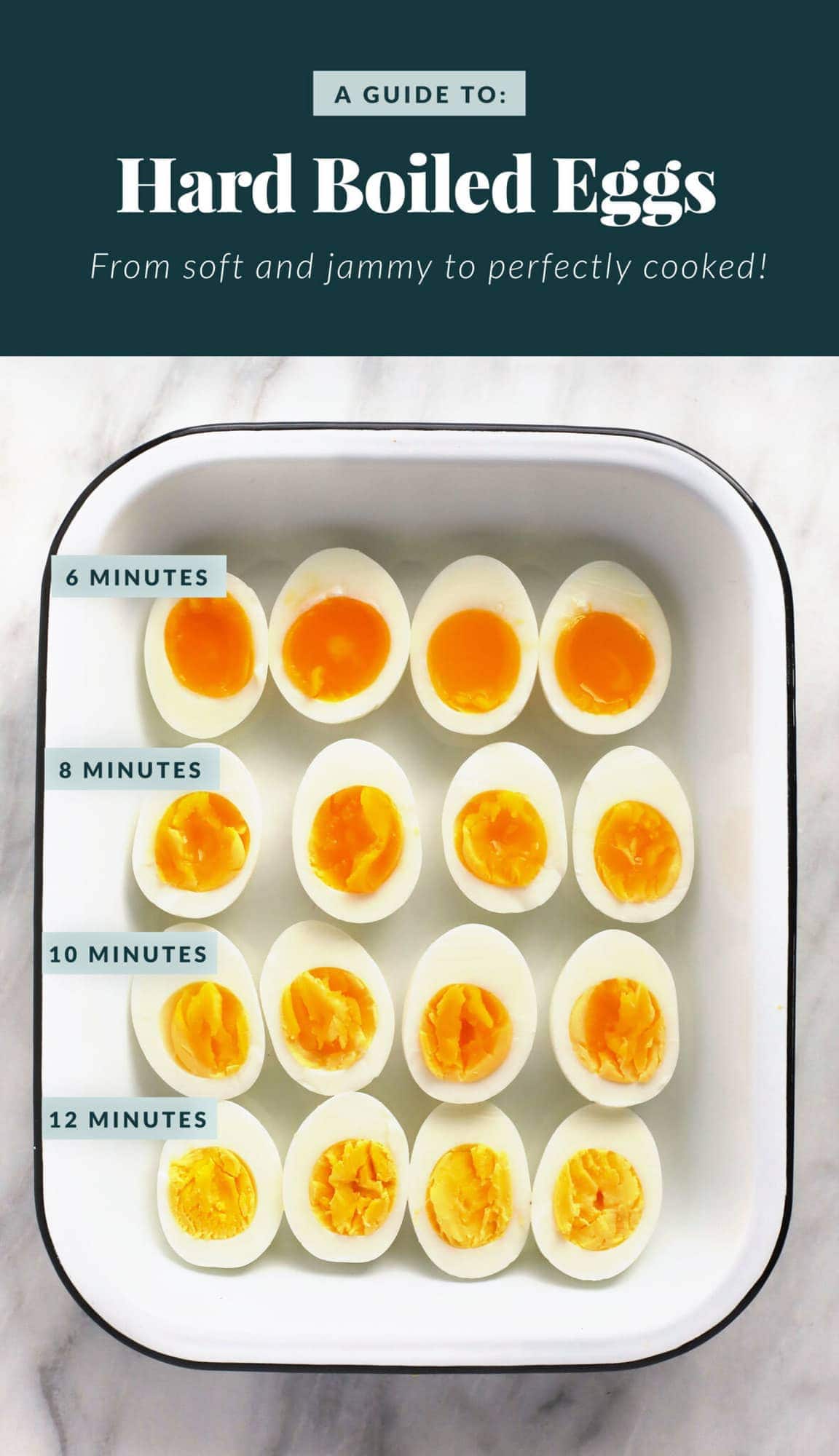
- For soft-set yolk: let sit 4 minutes.
- For medium yolk: let sit 7 minutes.
- For firm yolk: let sit 10–12 minutes.
- These times work for large eggs at sea level. Adjust for size or altitude.
-
Shock in ice bath
- Move eggs to a bowl of ice water immediately.
- Cool for 5–10 minutes to stop cooking and make peeling easier.
-
Peel and store
- Crack shells gently on a flat surface and peel under running water.
- Store unpeeled eggs in the fridge up to 1 week.
If you prefer, try steaming. Place eggs in a steamer basket over boiling water and steam 6, 9, or 12 minutes for soft, medium, and hard yolks. I often steam when I need many peeled eggs. Steaming is a reliable way to learn how to boil eggs perfectly with less cracking.
People also ask
What causes a green ring around the yolk?
A green ring forms when eggs are overcooked and iron reacts with sulfur. Cooling eggs quickly in ice water stops this reaction and keeps yolks bright.
Should I start eggs in cold water or boiling water?
Both work. Starting in cold water helps even cooking. Starting in boiling water can reduce cracking. I use cold start for small batches and steaming for large batches.
How fresh should eggs be to peel easily?
Slightly older eggs peel better than very fresh eggs. Store eggs a few days before boiling for easiest peeling.

Troubleshooting and tips from experience
I learned these tips the hard way in test kitchens. They save time and improve results.
- Prevent cracking
- Add a teaspoon of salt or a splash of vinegar to the water. This helps seal small cracks.
- Easier peeling
- Use eggs that sat in the fridge for 5–10 days. Older eggs peel cleaner.
- Fix undercooked whites
- Return eggs to hot water for 1–2 minutes, then cool again.
- Avoid rubbery whites
- Do not overcook. Stick to the timing above to learn how to boil eggs perfectly.
I once boiled a dozen eggs for a party and overcooked them. The green rings taught me to time and shock every batch. That lesson made my technique reliable.

Storage, safety, and uses
Store boiled eggs safely and use them well.
- Cooling and storage
- Keep eggs refrigerated within two hours of cooking.
- Store unpeeled eggs up to 1 week in the fridge.
- Uses
- Use perfect boiled eggs in salads, sandwiches, bowls, and snacks.
- Safety
- If an egg smells odd, discard it. Never taste to test safety.
Good storage habits keep your results from the guide on how to boil eggs perfectly useful all week.
Frequently Asked Questions of how to boil eggs perfectly
How long do I boil eggs for a jammy yolk?
For a jammy yolk, use the cold-start method. Let eggs sit in hot water for 7 minutes, then cool in ice water immediately.
Can I boil frozen eggs?
Frozen eggs must be thawed before cooking. Boiling frozen eggs can crack the shell and give uneven results.
Why do some eggs stick to the shell?
Very fresh eggs often stick because the membrane clings to the shell. Older eggs separate more easily and peel cleaner.
Is it safe to eat slightly overcooked eggs?
Yes, slightly overcooked eggs are safe, though the yolk may get a green ring and the texture will be chalky. Flavor and texture are the main downsides.
Can I reheat boiled eggs?
Gently reheat sliced or minced boiled eggs in a warm pan or microwave on low for a few seconds. Whole reheated boiled eggs can become rubbery, so eat them cold or at room temperature when possible.
Conclusion
Mastering how to boil eggs perfectly is about timing, cooling, and small adjustments. Use the steps here, test one batch, and tweak time for your eggs and altitude. Try steaming if you want a method that scales well. Share your results, ask questions, or save this guide to make perfect boiled eggs a simple habit.