Follow simple steps: prep, stuff, cook to 165°F, rest, and serve for juicy results.
I have cooked stuffed chicken for years in home and test kitchens. I know how to cook stuffed chicken so it stays moist, safe, and full of flavor. This guide shows clear steps, smart tips, and easy fixes. Read on to learn reliable methods, flavor ideas, and safety checks that make your stuffed chicken a go-to dish for weeknights and special meals.
What is stuffed chicken and why it works
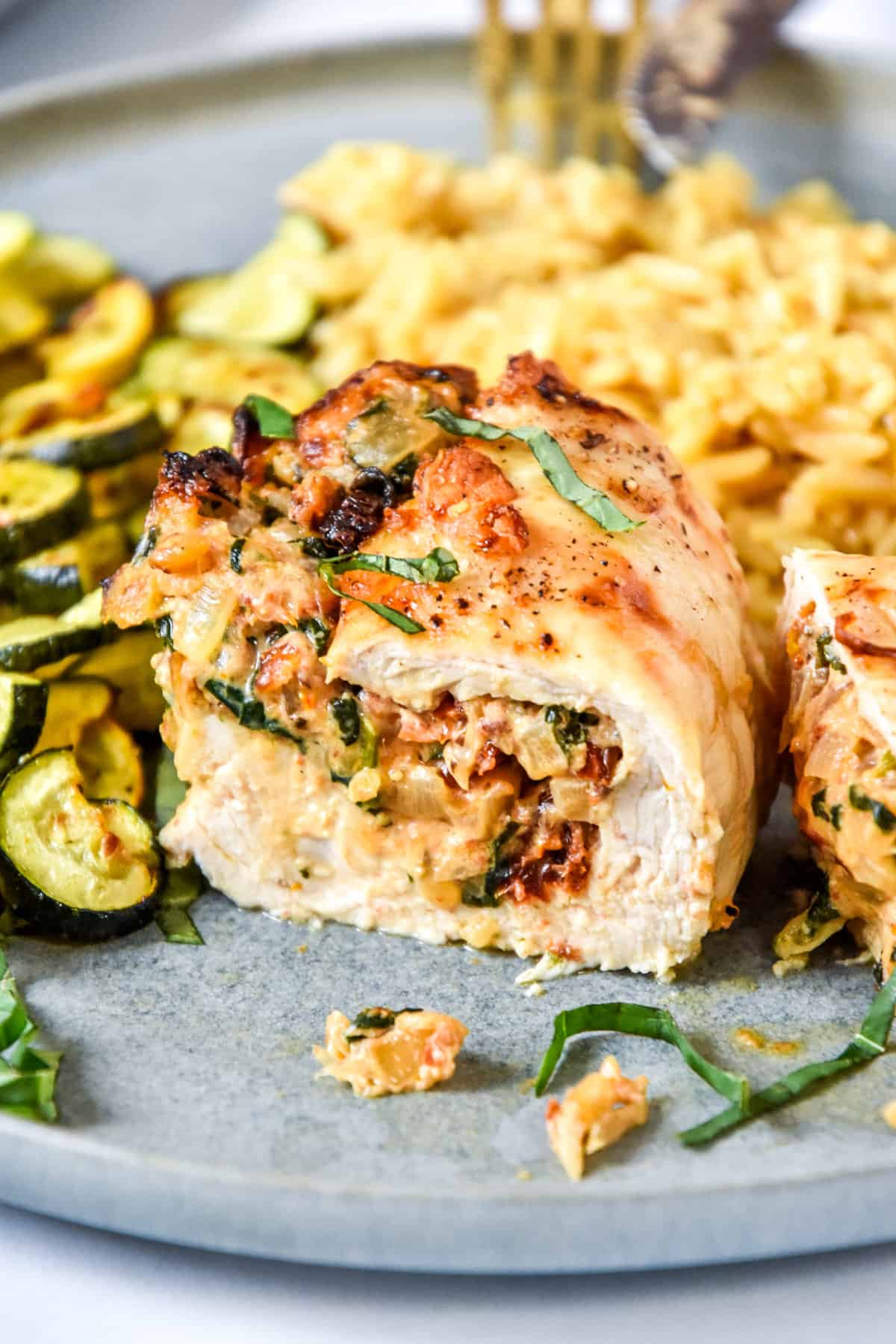
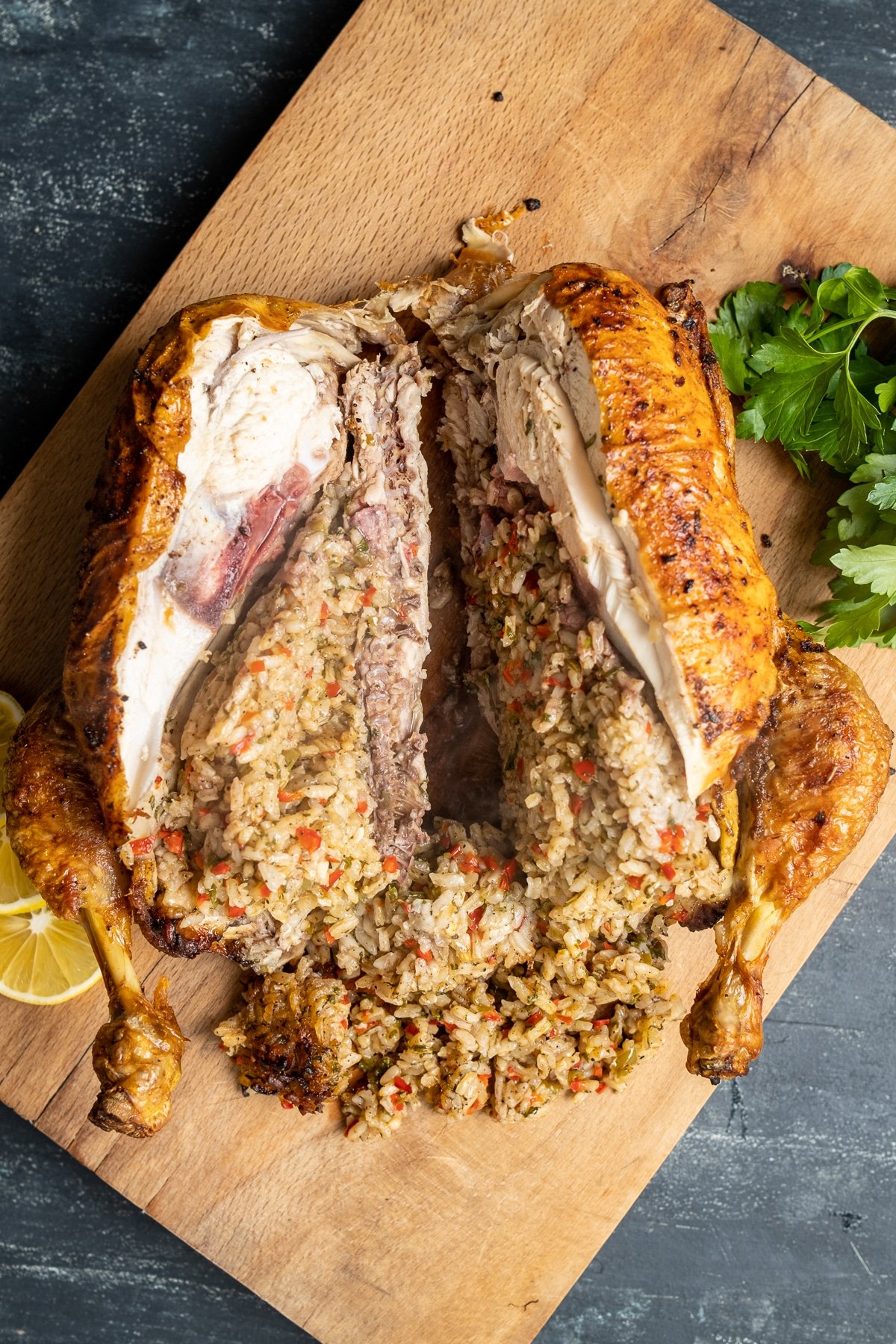
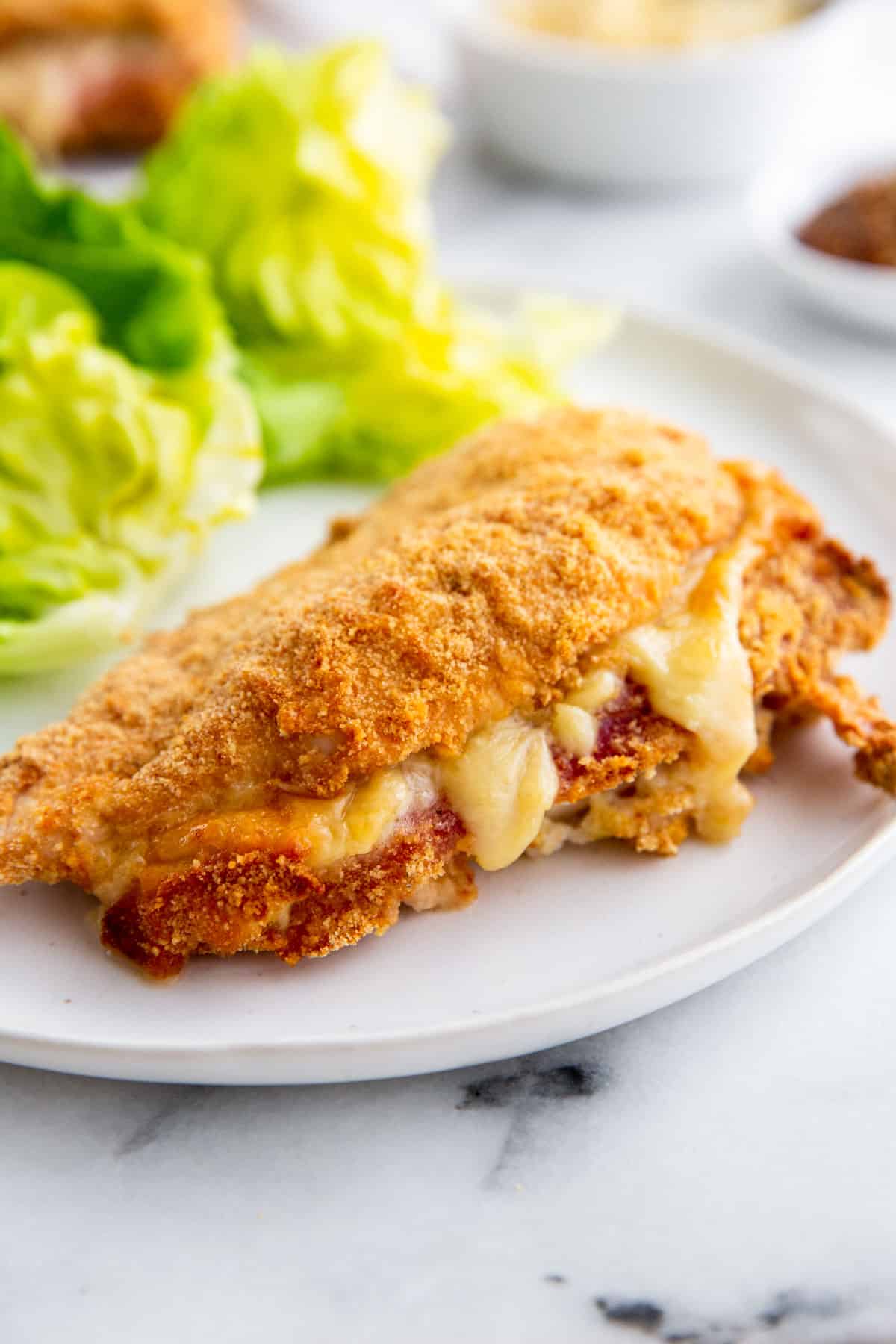
Stuffed chicken means chicken breasts, thighs, or whole birds filled with a mix. Fillings can be cheese, vegetables, herbs, grains, or meat. Stuffing adds flavor and moisture. It also creates a fun, elegant main dish.
Stuffed chicken works because the filling gives texture and taste. The chicken acts like a pouch that keeps ingredients together and adds protein. When you learn how to cook stuffed chicken, you can vary flavors and methods to fit time and tools.
Essential ingredients and equipment for success
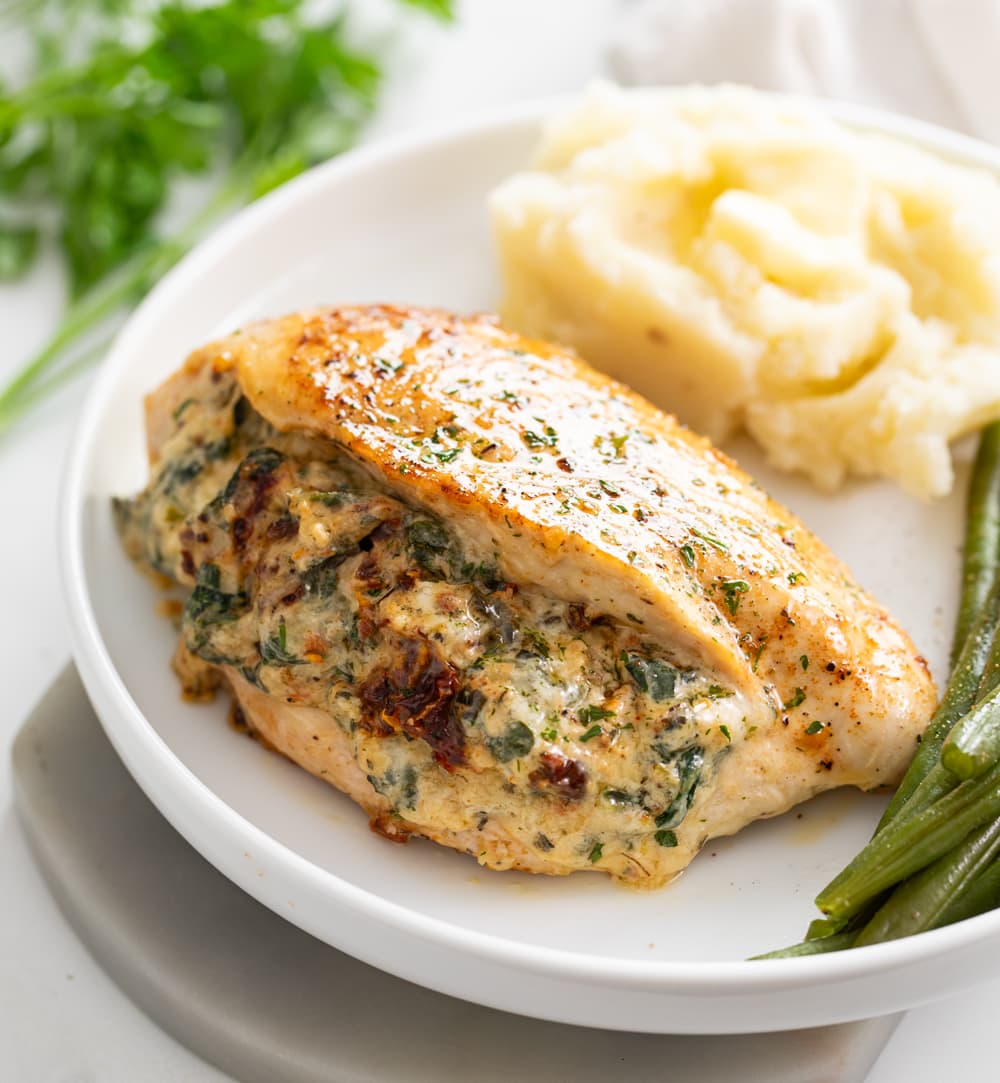
Ingredients you will use often:
- Chicken breasts or thighs, boneless or bone-in, skin-on or skinless.
- Fillings like spinach, cheese, mushrooms, sausage, herbs, or cooked grains.
- Binding ingredients such as egg, cream cheese, or breadcrumbs.
- Salt and pepper plus bold spices or fresh herbs.
Equipment that helps:
- Sharp knife for pockets and trimming.
- Kitchen twine or toothpicks to seal.
- Instant-read thermometer for safety.
- Baking dish, oven-safe skillet, air fryer basket, or grill pan.
When you know how to cook stuffed chicken, these tools make the job easy and safe. Use an instant-read thermometer to confirm 165°F in the thickest part.

Step-by-step guide: How to Cook Stuffed Chicken
- Prepare the chicken
- Pat the chicken dry with paper towels. Dry skin browns better.
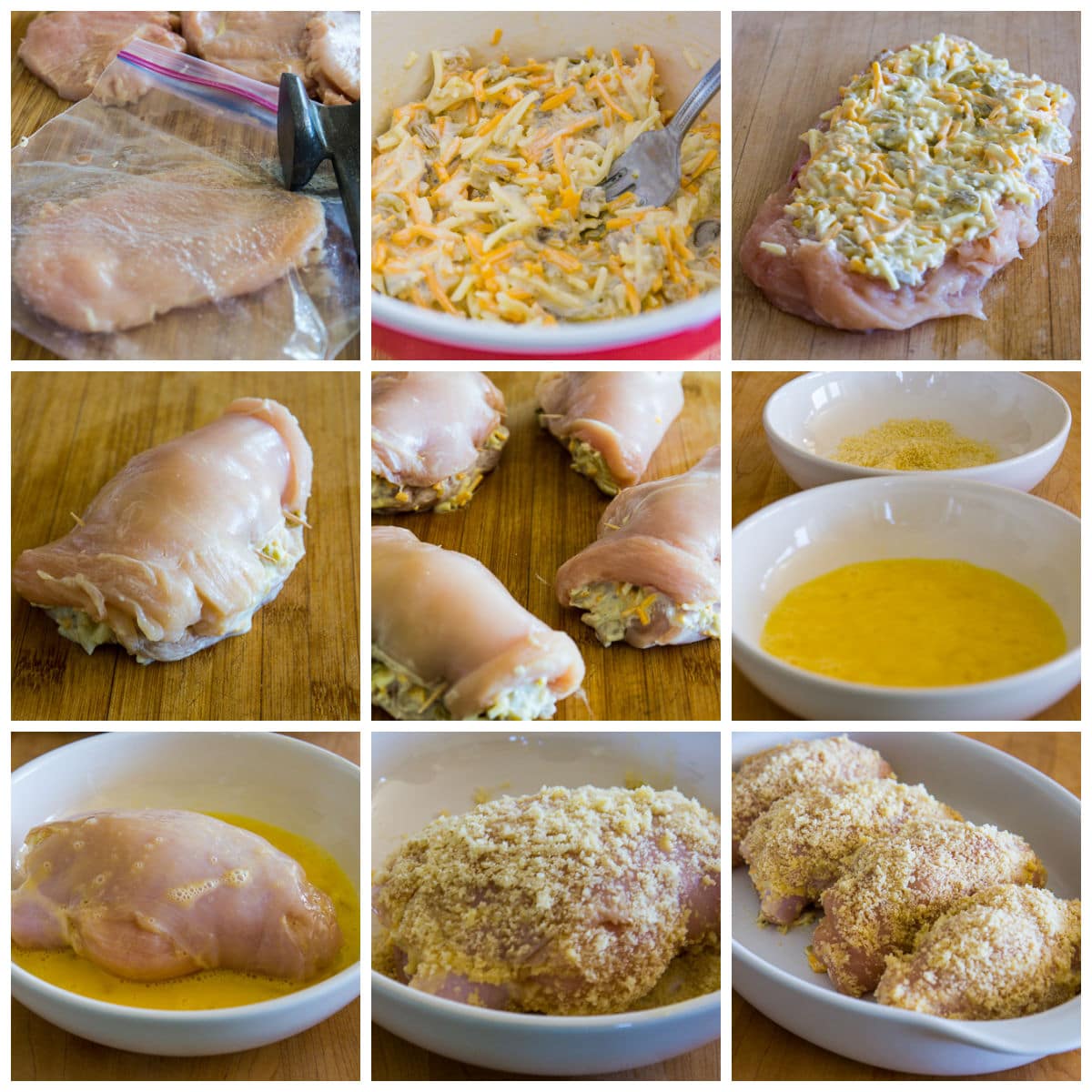
- Make a pocket by slicing horizontally through the thickest part. Stop before cutting through.
- Pound thin if you want even thickness. Use plastic wrap to protect the meat.
- Make the stuffing
- Cook wet ingredients first. For example, sauté mushrooms or wilt spinach.
- Combine cooked vegetables, cheese, herbs, and a binder like egg or cream cheese.
- Season the stuffing well. Remember that the chicken adds little salt.
- Stuff and secure
- Spoon filling into each pocket. Do not overfill; leave room to close.
- Seal with toothpicks or tie with kitchen twine. Press edges to close.
- Lightly brush with oil or butter and season the outside.
- Choose a cooking method
- Oven-baked: Preheat to 375°F. Place chicken in a baking dish. Bake 25–35 minutes depending on size. Check internal temp.
- Pan-sear then bake: Sear 2–3 minutes per side in an oven-safe skillet to brown. Transfer to 375°F oven for 12–20 minutes.
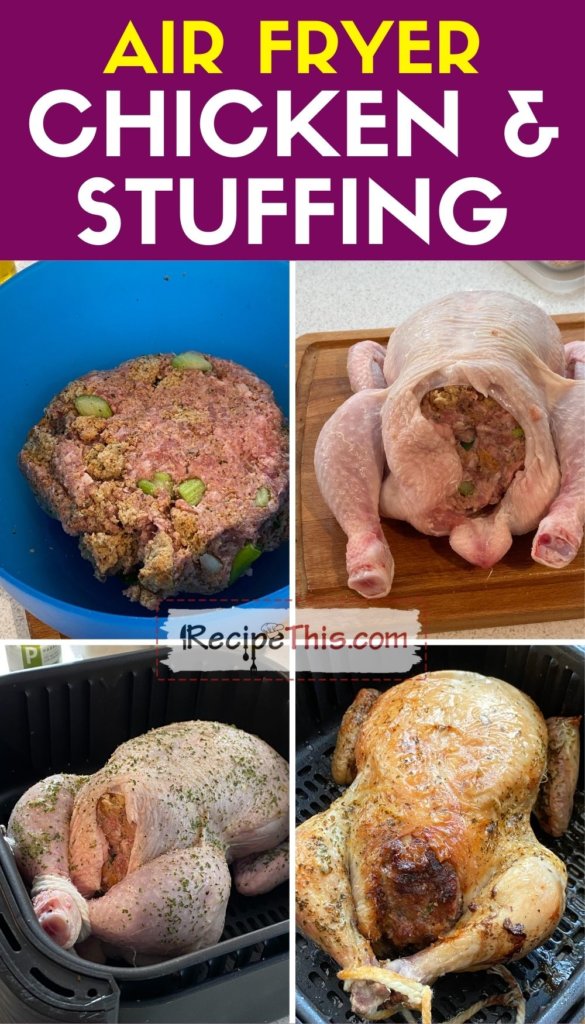
- Air fryer: Preheat to 350°F. Cook 12–18 minutes, flipping once. Watch for browning.
- Grill: Use indirect heat with a lid. Grill 20–30 minutes, turning to avoid flare-ups.
- Sous vide: Seal the stuffed chicken, cook at 145–150°F for 1–2 hours, then sear for color.
- Check doneness and rest
- Use an instant-read thermometer. Insert into the center of the stuffing and thickest part of the meat. Target 165°F (74°C).
- Let rest 5–10 minutes. Resting evens juices and firms the stuffing.
Tips for timing
- Small breasts cook faster. Reduce time to avoid dryness.
- Larger or bone-in pieces need more time. Always test temp.
- If stuffing contains raw meat, ensure both meat and stuffing reach 165°F.
How to cook stuffed chicken safely and well requires small steps and a thermometer. Over time, you learn how long your tools take to reach the right temp.
:max_bytes(150000):strip_icc()/8458702-481fef7eba2541eb964e05239622301d.jpg)
Quick cooking questions
Will stuffing increase cooking time?
Yes. Filling raises the mass and can add several minutes. Always use a thermometer to be sure.
Can I use frozen stuffed chicken?
You can cook stuffed chicken from frozen. Add 50% more time and check internal temp to reach 165°F.
Is it safe if the stuffing is slightly pink?
No. If stuffing contains meat, it must reach 165°F. Color is not a reliable indicator of safety.
Tips, tricks, and common mistakes (from my experience)
- Tip: Dry the chicken well. Moisture stops browning.
- Tip: Use a binder in wet fillings so they don’t leak.
- Tip: Lightly flour or breadcrumb the exterior if you want a crust.
Common mistakes to avoid:
- Overfilling pockets. This causes burst seams.
- Skipping the thermometer. Guessing can lead to undercooked or dry meat.
- Searing too long at high heat. It can overcook the outside before the center heats.
Personal lesson: I once overfilled a breast with wet filling. It burst in the oven and the dish steamed instead of browning. Now I test filling moisture and bind with cheese or breadcrumbs first. These small steps make a big difference.
Flavor variations and stuffing ideas
Classic and creative stuffing ideas for stuffed chicken:
- Spinach and feta with lemon zest.
- Mozzarella, basil, and sun-dried tomatoes for an Italian touch.
- Sausage, apple, and sage for fall meals.
- Mushroom, thyme, and cream cheese for a rich filling.
- Quinoa, roasted veg, and herbs for a lighter, gluten-free option.
Pairing suggestions:
- Serve with roasted root veg, a fresh salad, or simple rice.
- Make a pan sauce with wine, broth, and butter to tie flavors together.
When you know how to cook stuffed chicken, you can swap fillings to match seasons and guests. Try small test batches to refine seasoning.
Storage, reheating, and make-ahead tips
Storing cooked stuffed chicken:
- Cool within two hours. Store in an airtight container.
- Keep in the fridge up to 3–4 days.
- Freeze up to 2 months. Wrap tightly to avoid freezer burn.
Reheating safely:
- Reheat covered in a 325°F oven until internal temp reaches 165°F.
- Microwave only for quick meals; it can make the chicken uneven.
Make-ahead approach:
- Prepare stuffing and pockets a day ahead.
- Stuffed chicken can be assembled and refrigerated or frozen before cooking.
- If frozen raw, cook from frozen with extra time and check temp.
These steps help you plan meals and reduce stress on busy days. Proper storage keeps flavors and safety intact.
Troubleshooting common issues
Problem: Dry chicken
- Cause: Overcooking or too-high heat.
- Fix: Lower oven temp, monitor with a thermometer, brine small breasts if needed.
Problem: Filling is cold or undercooked
- Cause: Filling too dense or contains raw meat.
- Fix: Cook meat fillings first or pre-cook dense ingredients. Ensure 165°F in the center.
Problem: Seams burst during cooking
- Cause: Overfilled or wet stuffing.
- Fix: Use less filling and add binder. Secure with twine or toothpicks and chill briefly before cooking.
If you follow these fixes, you will quickly improve results. Learning how to cook stuffed chicken well is a matter of practice and small checks.
Frequently Asked Questions of How to Cook Stuffed Chicken
How long should I bake stuffed chicken breasts?
Bake stuffed chicken breasts at 375°F for 25–35 minutes, depending on size. Use an instant-read thermometer to confirm 165°F.
Can I stuff chicken the night before?
Yes. Assemble stuffed chicken the night before and refrigerate. Cook it fresh the next day for best texture and flavor.
Is it safe to stuff chicken with raw ingredients?
It is safe if you cook the stuffed chicken until the center reaches 165°F. Pre-cooking fillings with raw meat is simpler and safer.
What is the best stuffing for moist chicken?
Use moist but bound fillings like cheese mixed with sautéed vegetables and breadcrumbs. Avoid very watery fillings that steam the meat.
Can I make stuffed chicken in an air fryer?
Yes. Air fry stuffed chicken at 350°F for 12–18 minutes. Flip once and check internal temp to reach 165°F.
How do I prevent stuffing from leaking out?
Use a binder such as egg or soft cheese and avoid overfilling. Seal seams with twine or toothpicks and chill briefly before cooking.
What temperature ensures juicy chicken and safe stuffing?
The safe internal temperature is 165°F (74°C) in the thickest part and center of the stuffing. Rest the meat for 5–10 minutes after cooking.
Can I use bone-in chicken for stuffing?
Yes. Bone-in pieces add flavor but need more cooking time. Check temps near the bone and in the stuffing to confirm doneness.
Conclusion
Mastering how to cook stuffed chicken gives you a versatile dish for everyday meals and special nights. Use simple steps: prep a pocket, make a well-seasoned filling, secure the seam, cook to 165°F, and rest before serving. Start with easy fillings and use an instant-read thermometer to build confidence. Try one new filling this week and share your result or ask questions below. Subscribe or follow for more tested recipes and tips.