Keep batter cold, oil hot, double fry chips, and choose firm, fresh fish.
If you want to know how to cook fish and chips that stay crisp and light, you are in the right place. I have worked the fryer station in busy kitchens and tested many home setups. Here I break down how to cook fish and chips with simple steps, clear science, and easy tips you can trust. Read on to master how to cook fish and chips at home, even on a weeknight.
What You Need: Ingredients and Gear
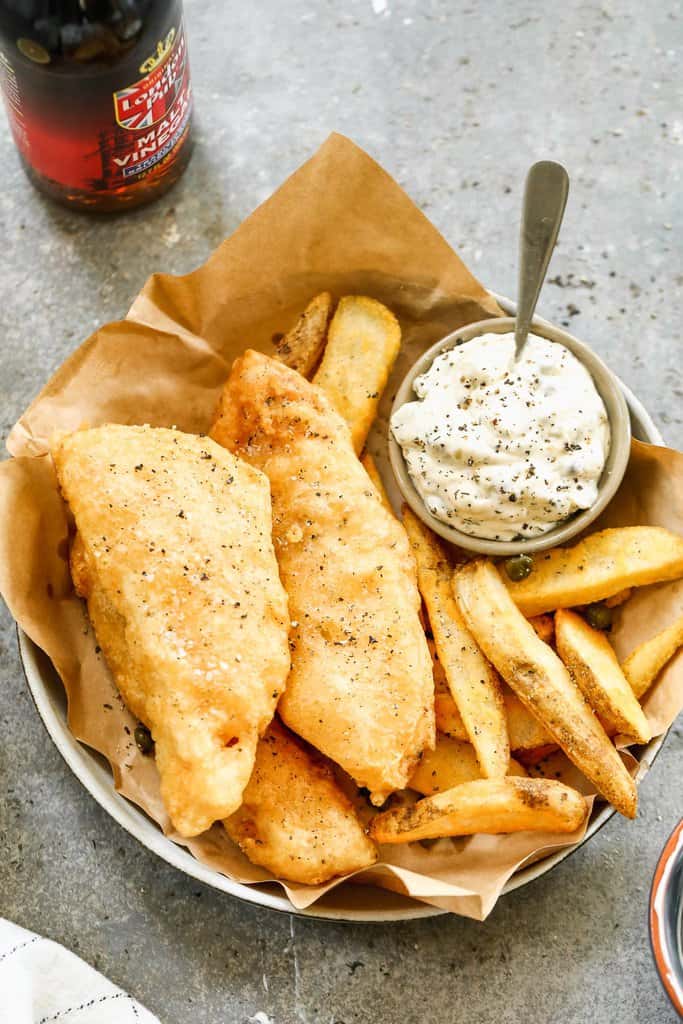
You can learn how to cook fish and chips with a short list of basics. Aim for fresh fish, high-heat oil, and a deep pot with a thermometer.
Ingredients for two large servings:
- Fish: 1 to 1.5 pounds cod, haddock, pollock, or hake, cut into 4 to 6 fillets
- Potatoes: 2 large russet potatoes, peeled or skin-on, cut into ½ inch chips
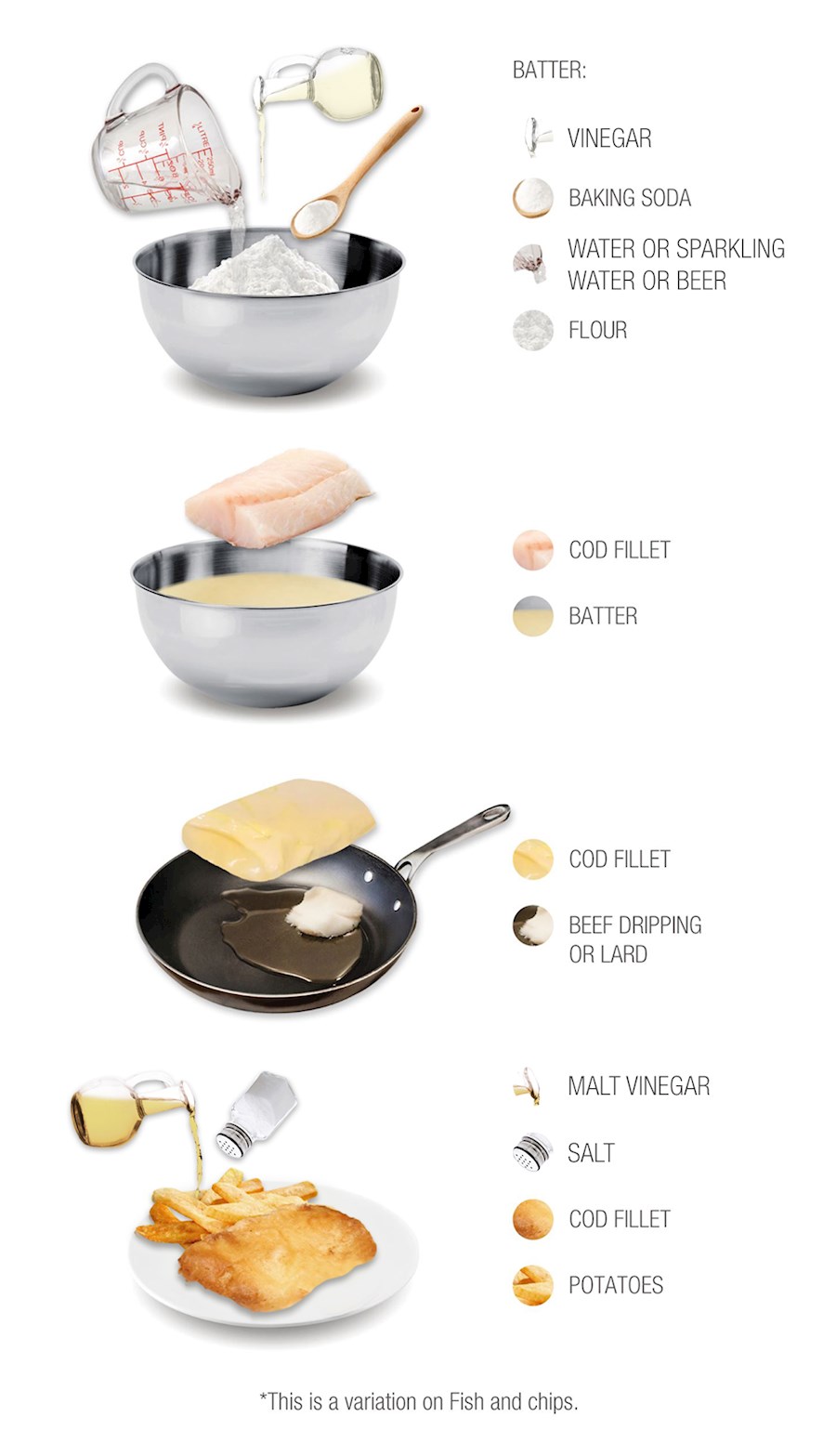
- Dry dredge: ½ cup all-purpose flour mixed with ¼ cup rice flour
- Batter: 1 cup all-purpose flour, ½ cup rice flour, 1 teaspoon baking powder, 1 teaspoon fine salt, 1 cup cold beer or seltzer water, extra cold water as needed
- Seasoning: kosher salt, black pepper, lemon
- Oil: 2 to 3 quarts neutral oil such as peanut, canola, or sunflower
- Optional: malt vinegar, tartar sauce, fresh herbs
Gear:
- Heavy pot or Dutch oven and a deep-fry thermometer
- Wire rack set over a sheet pan
- Tongs and a spider or slotted spoon
- Paper towels
- Instant-read thermometer
The Secret Science of Crunch
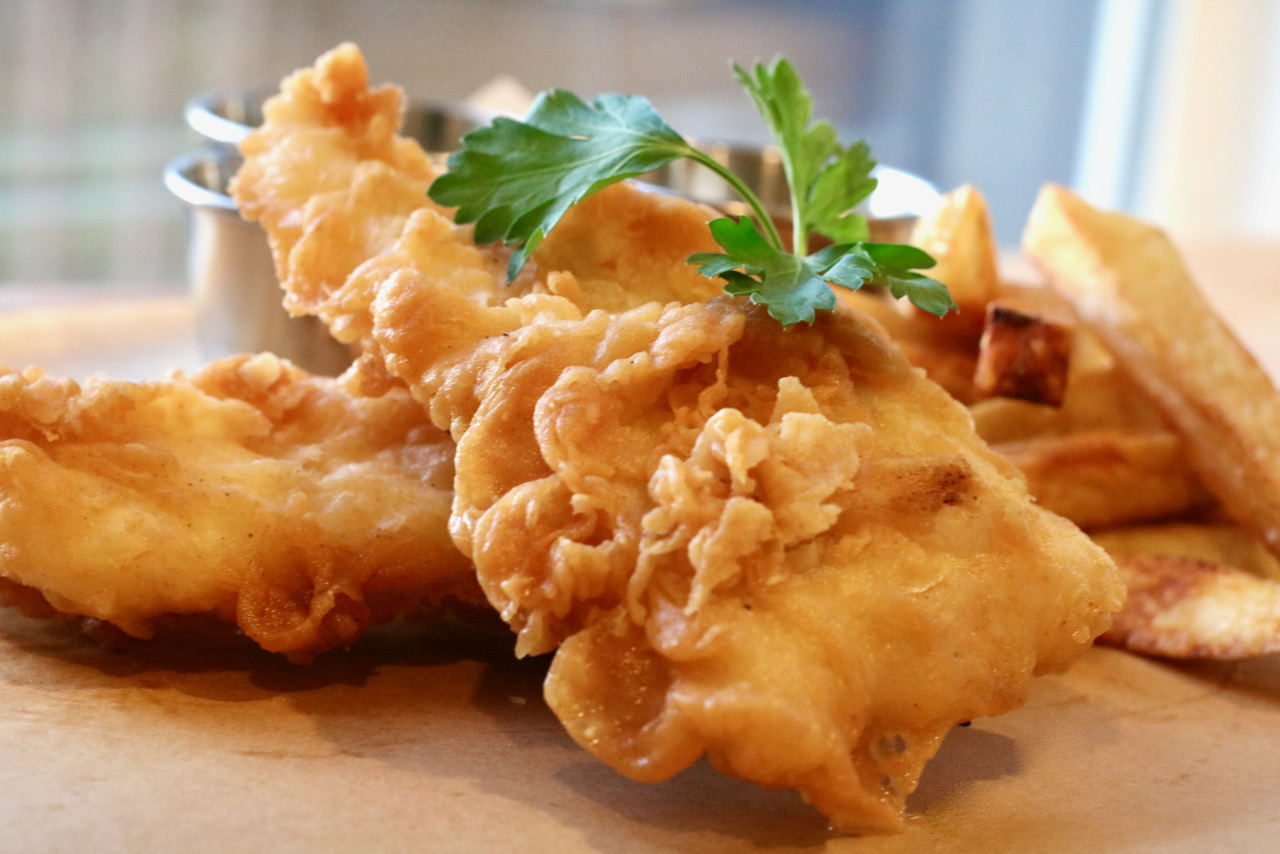
To learn how to cook fish and chips that stay crisp, think about water and bubbles. Water inside fish and potatoes must turn to steam fast. That steam escapes and leaves tiny air pockets. This makes a light, brittle crust.
Cold batter helps. Use beer or seltzer for bubbles. The gas makes lift. Rice flour lowers gluten and adds snap. Do not overmix the batter. A few small lumps are fine. Keep the batter cold in the fridge.
Heat matters. For fish, oil at 350 to 375°F gives fast browning. For chips, use two cooks. First, cook at 300°F to soften. Then rest and cool. Cook again at 375°F to crisp. This blanches the centers and sets the crust.
Moisture control is key. Pat fish very dry. Dust in dry flour before batter. Shake off extra. This helps the batter stick. Set fried food on a rack, not paper, so it does not steam.
:max_bytes(150000):strip_icc()/SES-best-fish-and-chips-recipe-434856-step-01-31ec227a0fae4775b86ceda69133f16e.jpg)
Step-by-Step: How to Cook Fish and Chips at Home
Follow this plan if you want to know how to cook fish and chips the classic way. Keep your moves simple and steady.
- Prep the potatoes
- Cut chips ½ inch thick. Rinse in cold water until clear.
- Soak for 30 minutes to pull extra starch. Drain and dry very well.
- Set a wire rack over a sheet pan for later.
- Make the batter
- In a bowl, whisk 1 cup flour, ½ cup rice flour, 1 teaspoon baking powder, and 1 teaspoon salt.
- Whisk in 1 cup cold beer or seltzer. Add a splash of cold water if too thick. Aim for heavy cream consistency.
- Chill the bowl in the fridge. Do not overmix.
- First fry the chips
- Heat oil to 300°F. Work in small batches.
- Fry chips 5 to 6 minutes until pale and tender but not brown.
- Drain on the rack. Let them cool at least 15 minutes. This step is not a skip.
- Fry the fish
- Raise oil to 360 to 375°F. Pat fish dry. Season both sides with salt and pepper.
- Mix ½ cup flour with ¼ cup rice flour. Lightly coat fish in this dry mix. Shake off extra.
- Dip in cold batter. Hold over bowl to drain the drip. Slide into oil away from you.
- Fry 4 to 6 minutes, turning once, until deep golden and the thickest part reads 145°F. Remove to the rack. Keep warm in a 250°F oven.
- Second fry the chips
- Return oil to 375°F. Fry chips 2 to 3 minutes until crisp and golden.
- Drain on the rack. Season with salt at once.
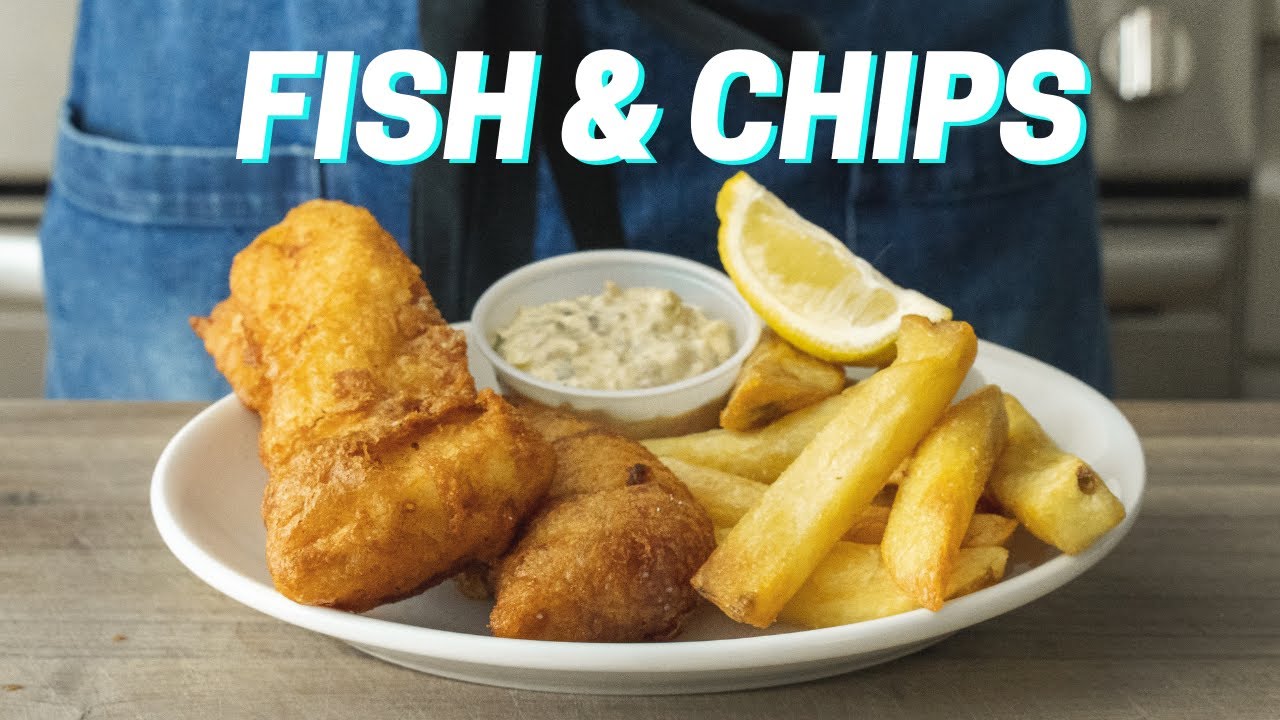
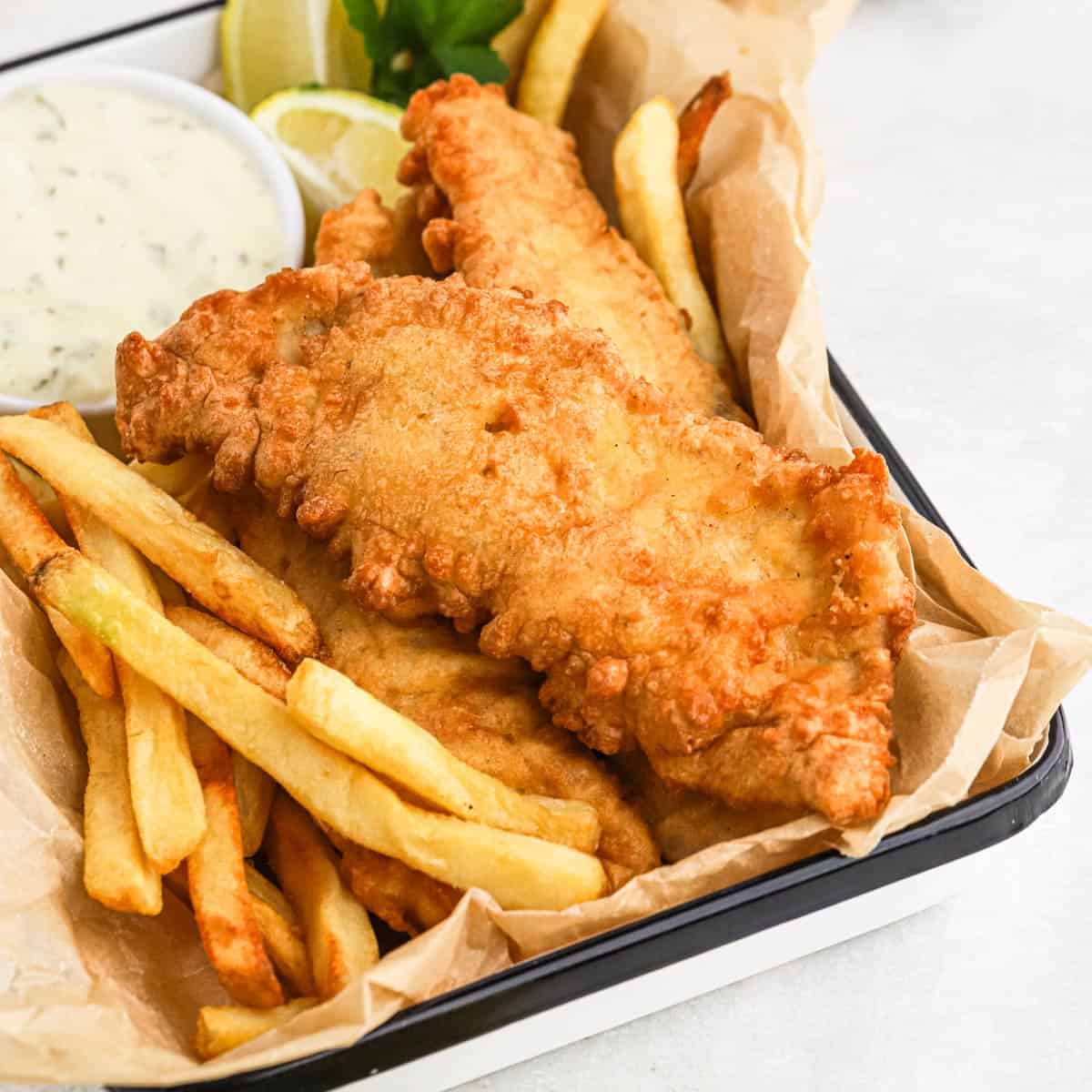
- Serve fish and chips hot with lemon, malt vinegar, and sauce you like.
Time and thickness guide:
- Thin fillets, ½ inch: about 3 to 4 minutes
- Medium fillets, ¾ inch: about 4 to 5 minutes
- Thick fillets, 1 inch: about 5 to 7 minutes
Variations and Dietary Swaps
You can still learn how to cook fish and chips if you avoid beer or gluten. Try these simple swaps.
Gluten free:
- Use all rice flour or a gluten free blend for dredge and batter.
- Check that baking powder is gluten free.
No alcohol:
- Use cold seltzer water. It adds great lift without beer.
Air fryer or oven:
- For chips, parboil cut potatoes 5 minutes. Dry well. Toss with 1 tablespoon oil and salt. Air fry at 380°F for 15 to 20 minutes, shaking. Or bake at 450°F for 25 to 30 minutes, flipping.
- For fish, dredge and batter as above. Set on a greased rack. Air fry at 390°F for 12 to 15 minutes. Or bake at 450°F for 12 to 15 minutes. It will not be the same as deep fry, but it is light and crisp.
Fish choices:
- Cod, haddock, pollock, hake, or halibut work well.
- Use firm, flaky, white fish. Avoid thin, delicate fish that dry fast.
Oil notes:
- Peanut, canola, or sunflower oil handle high heat well.
- If there is a nut allergy, avoid peanut oil.

Sauces, Sides, and Serving Like a Pro
A classic plate helps you show how to cook fish and chips with style. Keep the crust dry and the plate neat.
Quick tartar sauce:
- Mix mayo, minced dill pickles, capers, lemon juice, and fresh dill.
- Add a small spoon of Dijon if you like. Chill until needed.
Fast mushy peas:
- Warm peas with a knob of butter, a splash of cream, and mint.
- Mash to your taste. Season with salt, pepper, and lemon.
Finishing touches:
- Serve on a warm plate. Rest fish and chips on a rack for one minute to vent steam.
- Offer malt vinegar, lemon wedges, and flaky salt.
Troubleshooting and Pro Tips From My Kitchen
I learned how to cook fish and chips the hard way on a busy line. Here are fixes for common issues.
If batter slips off:
- Fish was wet. Pat very dry. Use a light dry dredge first.
- Batter was too thin or warm. Keep it cold and thick like heavy cream.
If chips are soggy:
- Oil was too cool. Check with a thermometer. Do not crowd the pot.
- You skipped the first fry rest. Cooling helps crisp later.
If fish is dark outside but raw inside:
- Oil was too hot. Drop to 350 to 360°F and try again.
- Fillet was very thick. Cook a minute longer or use a thinner cut.
If oil smells burnt:
- Heat crept up. Monitor often. Filter cooled oil through a fine mesh to reuse once or twice.
- Toss oil if very dark or if it foams a lot after heating.
Seasoning tips:
- Salt fish and chips right after they leave the oil.
- Use lemon and malt vinegar to cut fat and lift flavor.
Nutrition, Food Safety, and Storage
It helps to know how to cook fish and chips with safety in mind. A little care goes a long way.
Food safety:
- Fish is safe at 145°F in the thickest part, per food safety guidance.
- Keep cooked food above 140°F if holding. Use a warm oven and a rack.
- Never add wet items to hot oil. Water and oil do not mix.
Leftovers:
- Cool on a rack. Store in a shallow container. Eat within two days.
- Reheat on a rack at 425°F for 8 to 12 minutes. Chips will regain some crisp.
- Skip the microwave. It makes the crust soft.
Oil safety:
- Stay with the pot. Keep a lid nearby.
- If oil flames, turn off heat and cover. Do not use water.

Frequently Asked Questions of How to Cook Fish and Chips
What oil is best for frying fish and chips?
Use a neutral oil with a high smoke point. Peanut, canola, or sunflower oil are steady and clean for deep frying.
Can I make the batter ahead of time?
Mix the dry parts ahead. Add cold beer or seltzer right before you fry. Cold, fresh batter gives the best lift and crunch.
How thick should I cut the chips?
Cut chips about ½ inch thick. This size cooks through without burning and still gets a fluffy center.
How do I keep fish and chips crispy?
Drain on a wire rack, not paper. Keep warm in a low oven while you finish the rest, and serve right away.
What fish should I buy for fish and chips?
Choose firm white fish like cod, haddock, pollock, or hake. Fresh fish with a clean smell and tight flakes works best.
Can I cook fish and chips without beer?
Yes. Use cold seltzer water for the batter. The carbonation gives lightness without alcohol.
Why does my batter taste greasy?
Oil was too cool or the batter was too thin. Heat oil to 350 to 375°F and keep the batter cold and thick.
Conclusion
You now know how to cook fish and chips with a crisp crust, tender fish, and golden chips. Keep the batter cold, the oil hot, and use the two-step fry for perfect texture. Small moves add up to big flavor.
Set up your station, follow the steps, and try your first batch this week. Share your results, ask a question, or request a new variation. If this guide helped you learn how to cook fish and chips, subscribe for more simple, trusted kitchen lessons.