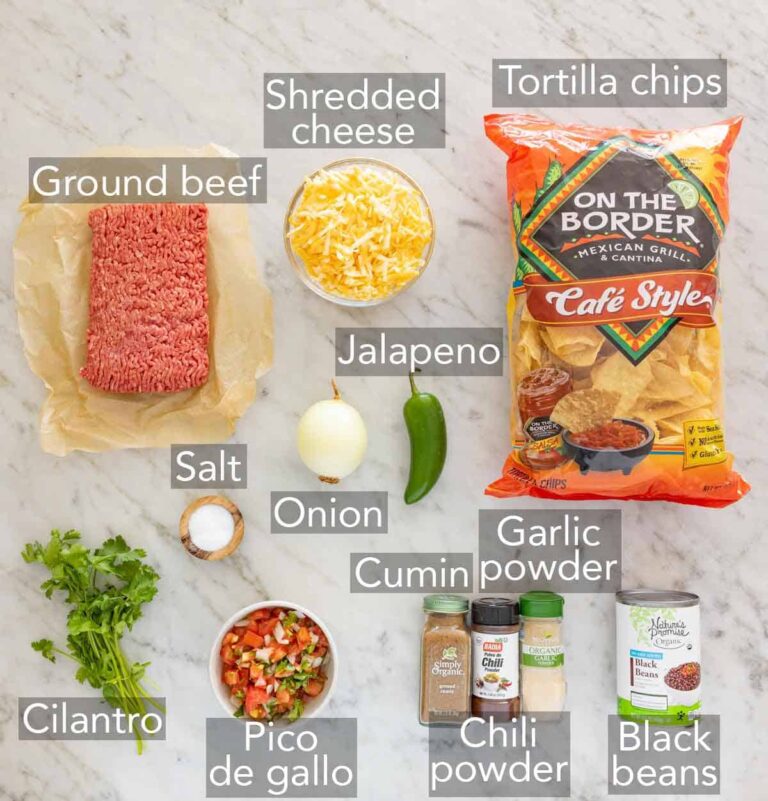
The KitchenAid mixer is a powerful, versatile countertop appliance designed to automate mixing, kneading, and whipping tasks effortlessly.
As someone who has spent over a decade testing kitchen gadgets, I can confidently say that few tools earn their counter space like a KitchenAid mixer. Whether you are a weekend baker tackling a complex sourdough or a busy parent whipping up a quick batch of cookies, this machine is the gold standard for durability and performance. Understanding the nuance between the tilt-head and bowl-lift models is essential before you invest. This guide will walk you through why these machines remain the ultimate culinary workhorse and how to pick the right one for your kitchen.
Why KitchenAid Mixers Are Essential for Home Bakers
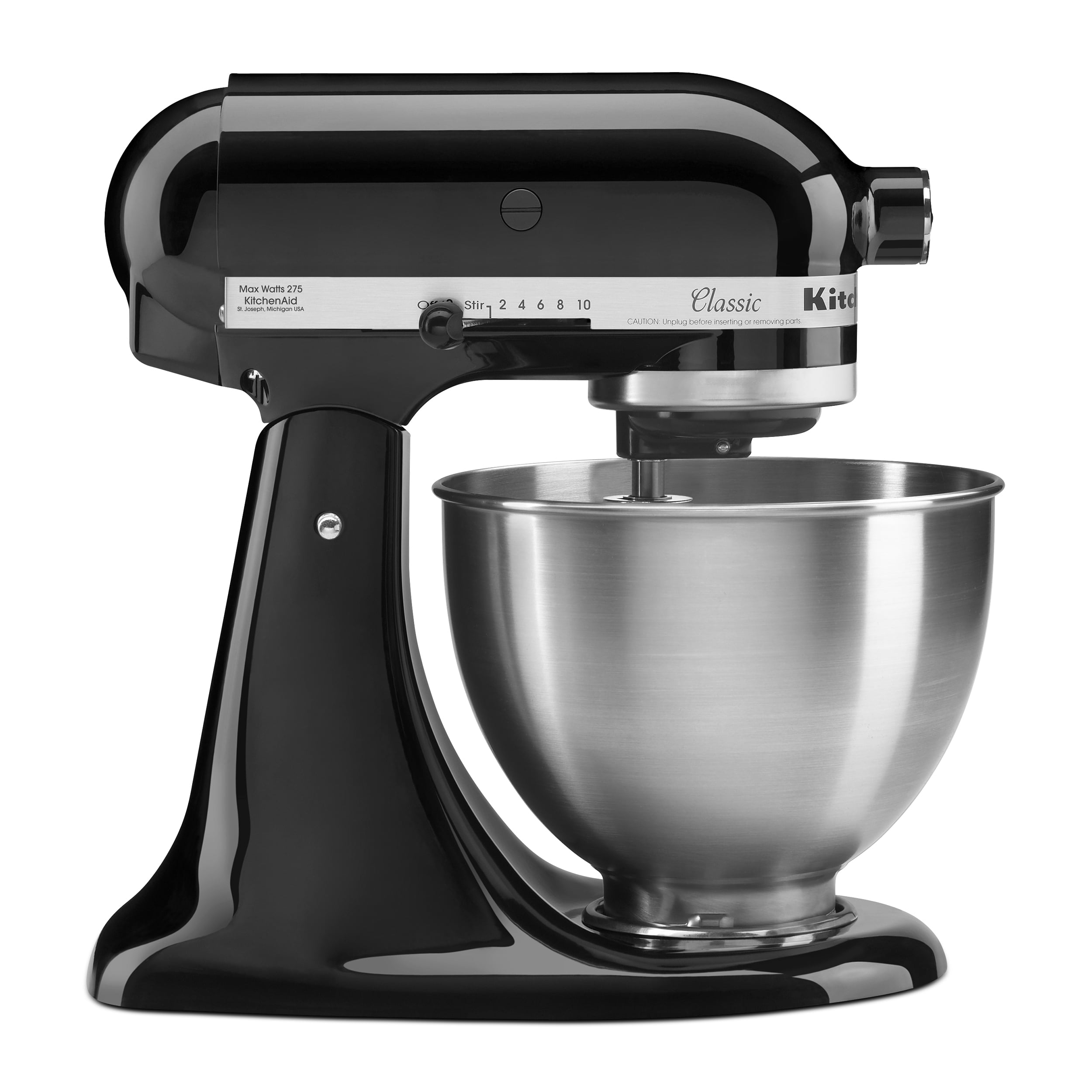
The primary reason professionals and home cooks swear by the KitchenAid mixer is its planetary mixing action. This design ensures the beater spirals to at least 59 touchpoints around the bowl for thorough ingredient incorporation. Unlike hand mixers, a KitchenAid mixer allows you to walk away, prep other ingredients, and return to a perfectly aerated batter or a smooth, elastic dough.
I remember the first time I upgraded from a cheap hand mixer to a classic KitchenAid mixer. The difference in my sponge cakes was night and day, mostly because the KitchenAid mixer handles heavy creaming jobs with consistent power. It transforms baking from a chore into a seamless, creative process.

Choosing Between Tilt-Head and Bowl-Lift Models
Deciding which model fits your lifestyle depends on how you cook. The tilt-head KitchenAid mixer is the iconic choice for most home kitchens. It is compact, easy to clean, and allows you to add ingredients quickly by tilting the head back. It is perfect for lighter tasks like making cookies, cakes, and light breads.
On the other hand, the bowl-lift KitchenAid mixer offers more stability for heavy-duty tasks. If you frequently bake large batches of dense bread dough, this model is the superior choice. The motor is often more robust, and the bowl-lift design provides extra leverage during intense mixing sessions.

Maximizing Your Investment With Attachments
The beauty of a KitchenAid mixer lies in the power hub located at the front of the machine. This hub transforms your mixer into a multipurpose culinary hub. By purchasing specific attachments, you can grind meat, roll out fresh pasta, or spiralize vegetables.
I personally use the pasta roller attachment at least once a month. It turns a standard stand mixer into an artisanal tool that saves me from buying expensive, pre-packaged pasta. When you treat your KitchenAid mixer as a base for multiple appliances, the high initial cost becomes much more justifiable over time.

Tips for Maintaining Your Mixer
To keep your KitchenAid mixer running for decades, you must treat it with care. Always ensure you are not overloading the bowl, especially when working with thick doughs that might strain the motor. If the motor sounds like it is struggling or the machine starts to get warm, stop and scrape down the sides of the bowl.
Cleaning is equally important. Always wipe the exterior with a damp cloth and ensure the attachments are washed according to their specific material requirements. Avoid submerging the main unit in water, as this can damage the internal electrical components. A well-maintained KitchenAid mixer can easily last through a generation of holiday baking.
Frequently Asked Questions of Kitchenaid Mixer
Is a KitchenAid mixer worth the high price tag?
Yes, it is considered an investment piece because of its longevity, metal construction, and the wide availability of parts. Many owners use the same machine for twenty years or more, making the cost per use very low.
Can I use a KitchenAid mixer for bread dough?
Absolutely, the KitchenAid mixer is designed to handle bread dough with the dough hook attachment. Just be sure to use the correct speed settings to prevent overworking the motor during long kneading sessions.
How do I stop the flour from flying everywhere?
The best trick is to cover the bowl with a clean kitchen towel while you start the mixer on the lowest speed. Most models also come with a pouring shield, which is a plastic accessory that prevents ingredients from splashing out.
Which KitchenAid mixer size do I need?
For a standard household, a 4.5 or 5-quart bowl is usually perfect for most recipes. If you regularly bake in large quantities or feed a large family, consider the 6-quart or 7-quart bowl-lift models.
Why does my KitchenAid mixer get hot?
If you are mixing a very heavy load for a long time, the motor may generate heat as it works. It is best to give the machine short breaks if you are doing several back-to-back batches of dense dough.
The KitchenAid mixer is more than just a piece of kitchen equipment; it is a reliable companion that elevates your baking capabilities. By selecting the right model and learning how to utilize its many attachments, you can save significant time and achieve professional results in your own home. Do not be afraid to experiment with new recipes and techniques now that you have such a versatile tool at your disposal. If you have any specific questions about your model or want to share a favorite recipe, feel free to leave a comment below and join our growing community of home bakers!