Pat fish dry, dust with starch, use hot oil, and never crowd.
If you want to master how to cook crispy fish at home, you are in the right place. I have tested this many times for home kitchens, tiny stovetops, and busy nights. This guide brings pro tips, clear steps, and smart fixes. You will learn simple methods that make golden, crackly fish, every single time.

What Makes Fish Crispy
Crisp fish is about moisture control, starch, and heat. Dry fish fries. Wet fish steams. A thin coat of starch forms a shell that stays crisp as steam escapes.
Heat matters most. Oil must be hot enough to set the crust fast. Aim for 350–375°F surface temp. If oil is cool, your fish will soak oil and turn soft. These basics power how to cook crispy fish at home.
Key points:
- Pat fish very dry with paper towels.
- Lightly salt early to draw surface moisture, then pat dry again.
- Use a dry starch layer to boost crunch and browning.

Best Fish for Crispy Results
Choose firm, white fish that holds shape. Cod, haddock, pollock, tilapia, catfish, and rockfish do well. Halibut and snapper are great too. For skin-on fish like salmon, crisp the skin side with a press.
Thin fillets cook fast and turn crisp with less oil. Even thickness helps even browning. This fish choice is a key step in how to cook crispy fish at home.

Pantry and Tools Checklist
You need only a few things to nail crisp fish at home:
- Starches: cornstarch, rice flour, potato starch, or a blend.
- Flours: all-purpose flour for body, mixed with starch.
- Leavening: baking powder for airy batters.
- Oil: neutral, high smoke point like canola, peanut, or rice bran.
- Pan: heavy skillet or Dutch oven. Nonstick or seasoned cast iron helps.
- Thermometer: instant-read for doneness; clip-on for oil temp.
- Rack: wire rack over a sheet pan to keep crust dry after cooking.
Gathering these tools smooths how to cook crispy fish at home from start to finish.

Step-by-Step: How to Cook Crispy Fish at Home
Follow this simple process for consistent crunch.
- Prep the fish
- Pat dry on all sides. Lightly salt. Wait 10 minutes. Pat dry again.
- Cut into even pieces so they cook at the same pace.
- Choose your coating
- For ultra-crisp: 1 part cornstarch + 1 part rice flour + salt.
- For classic: all-purpose flour + cornstarch + baking powder + salt.
- Heat the pan and oil
- Add 1/8 to 1/4 inch of oil to a skillet for shallow fry.
- Heat to shimmering, about 360°F. A wooden spoon will bubble at the tip.
- Cook the fish
- Dust or batter the fish. Shake off excess.
- Lay fish away from you. Do not crowd. Fry until edges turn golden.
- Flip once. Cook until golden brown and flaky.
- Rest on a rack
- Set on a rack, not on paper towels, to keep the crust from softening.
- Salt right away to lock flavor.
This is the core method for how to cook crispy fish at home.

Methods: Pan-Fry, Deep-Fry, Air Fry, Oven
Different kitchens need different tools. All can work if you control moisture, starch, and heat.
Pan-fry (shallow fry)
- Best for weeknights. Uses less oil and cleans fast.
- Heat 1/8–1/4 inch oil. Cook 2–4 minutes per side.
Deep-fry
- Best for batters. Even browning. Use 350–365°F oil.
- Fry in small batches. Skim crumbs to keep oil clean.
Air fryer
- Works with light breading, not wet batters.
- Brush or spray with oil. Cook at 400°F, flipping once.
Oven-bake
- Good for panko crusts. Preheat a sheet pan at 450°F.
- Oil the crumbs and hot pan. Bake 10–14 minutes.
Pick a method that fits your gear as you plan how to cook crispy fish at home.
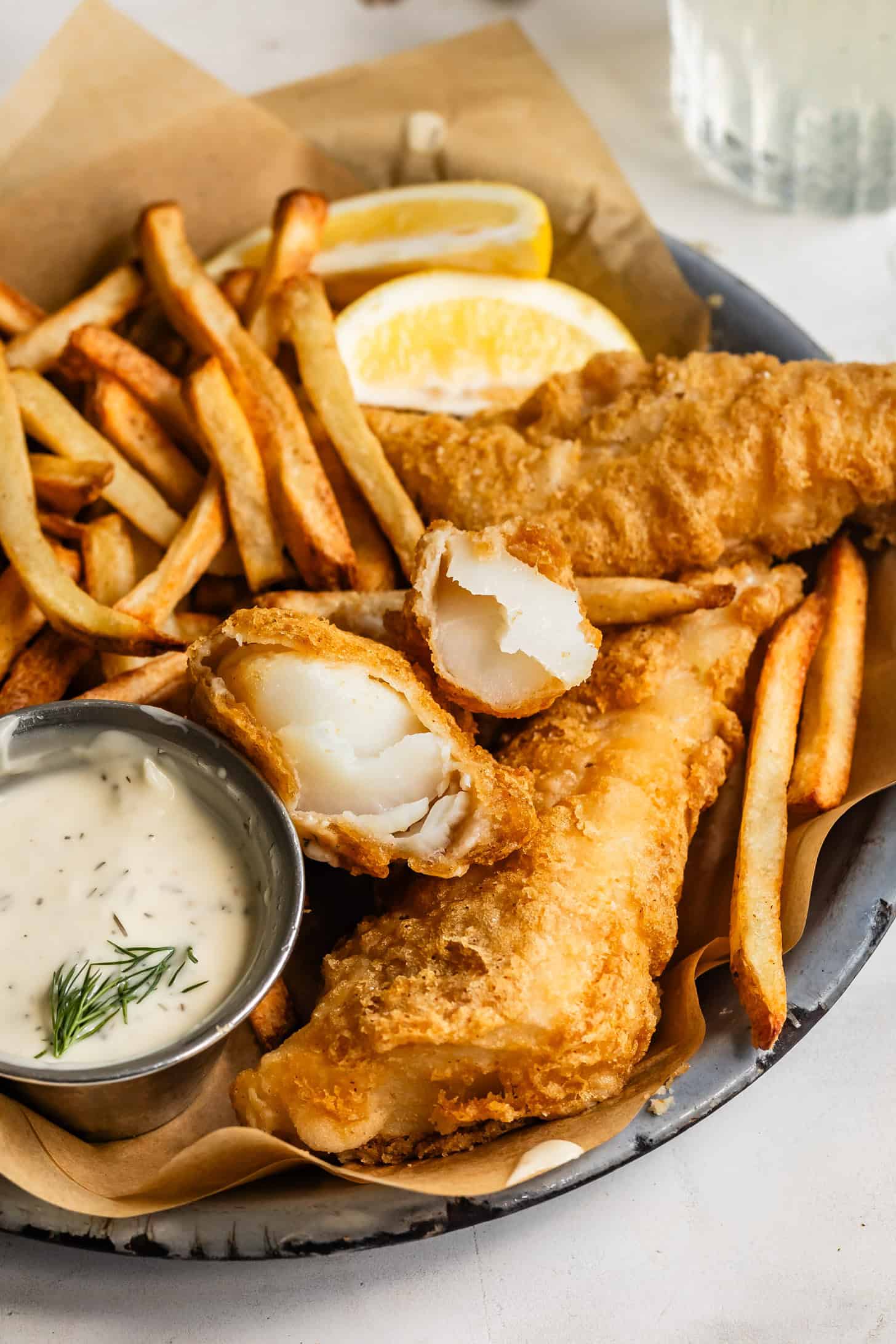
Breading and Batter Options
The coating decides the crunch style.
Simple dry dredge
- Mix 50% cornstarch + 50% rice flour + salt, pepper, and garlic powder.
- Press on the fish. Shake off extra. Pan-fry for a dry, glassy crunch.
Classic three-step breading
- Flour, then egg wash, then panko. Rest 10 minutes before frying.
- Great for oven and air fryer too.
Light, crisp batter
- 1 cup flour, 1/2 cup rice flour, 1 teaspoon baking powder, 1 teaspoon salt.
- Whisk with icy seltzer or beer to a thin paint. Use at once.
Gluten-free option
- Potato starch + rice flour with spices. Thin with seltzer for batter.
- Results are crisp and light.
Test one fillet first. Adjust salt and thickness. These choices are central to how to cook crispy fish at home.

Oil, Heat, and Safety
Good oil resists burning and keeps flavor clean. Use canola, peanut, rice bran, or refined sunflower oil. Avoid extra-virgin olive oil at high heat.
Watch the heat. Keep oil near 350–365°F. If you lack a thermometer, drop a pinch of flour. It should sizzle on contact. Hot oil is the shield that makes how to cook crispy fish at home work.
Stay safe:
- Dry fish well to stop popping.
- Lower fish away from you.
- Do not move fish until the crust sets.
:max_bytes(150000):strip_icc()/145853-unbelievable-fish-batter-snackingkitchen-4x3-1-Snacking-in-the-Kitchen-196a8842b6a448068814d124624334f1.jpg)
Timing, Doneness, and Texture
Fish cooks fast. Most fillets need 6–8 minutes total in a skillet. Thicker pieces need more time. The crust should be deep gold and firm.
For food safety, cook fish to 145°F at the thickest part. Many cooks pull white fish at 135–140°F, then rest 2 minutes. The carryover raises temp. Use this target as you learn how to cook crispy fish at home with confidence.
Texture checks:
- Crust sounds crisp when tapped.
- Fish flakes but stays juicy.
- Oil on the surface looks clear, not soaked in.

Common Mistakes and Easy Fixes
Soggy crust
- Cause: wet fish or cool oil.
- Fix: pat dry, dust with starch, heat oil to 360°F, and avoid crowding.
Coating falls off
- Cause: moved too soon or batter too thick.
- Fix: let the first side set. Thin batter to light cream.
Greasy taste
- Cause: oil too cool or old.
- Fix: keep to 350–365°F. Strain or change oil.
Uneven browning
- Cause: hot spots or uneven fillets.
- Fix: preheat the pan well. Trim fillets to even size.
Use these quick fixes as you nail how to cook crispy fish at home.
Serving Ideas and Sauces
Crispy fish loves bright sides and fresh acid. Keep it light so the crust shines.
Great pairings:
- Sides: simple slaw, lemony greens, roasted potatoes, or steamed rice.
- Sauces: tartar sauce, lemon aioli, salsa verde, gochujang mayo, or chimichurri.
- Toppings: fresh herbs, lemon zest, pickled onions, or crunchy slaw.
Build a plate that lifts the crunch. This finishing touch completes how to cook crispy fish at home.
Frequently Asked Questions of How to Cook Crispy Fish at Home
Can I make crispy fish without deep frying?
Yes. Shallow frying in a skillet with 1/8–1/4 inch oil works great. Air frying with a light panko coat also gives a good crunch.
What oil is best for frying fish?
Use a neutral, high smoke point oil like canola, peanut, or rice bran. These oils handle heat well and keep flavors clean.
How do I stop the batter from falling off?
Pat the fish dry and dust with a little flour before dipping in batter. Do not move the fish until the crust sets on the first side.
Why does my fish turn soggy after cooking?
Resting on paper towels traps steam and softens the crust. Cool the fish on a wire rack so air flows and the crust stays crisp.
What temperature should fish be when done?
Aim for 145°F at the thickest part for safety. Many cooks pull at 135–140°F and rest for 2 minutes to finish gently.
Can I use frozen fish?
Yes, but thaw fully in the fridge and pat very dry. Any surface ice will cause sputtering and soggy crust.
Which flour gives the crispiest result?
A mix of rice flour and cornstarch makes a very crisp shell. All-purpose flour adds body and color when blended in.
Conclusion
You now have a simple, proven plan to make golden, crackly fish at home. Dry the fish, use the right starch, keep the oil hot, and rest on a rack. With small tweaks, you can turn any fillet into a crisp, juicy win.
Start tonight with one method and one sauce. Share your results, ask a question, or subscribe for more easy kitchen wins. Try how to cook crispy fish at home this week and make it your new go-to dinner.