Toss chopped vegetables with oil, season well, and roast hot until caramelized.
If you want flavor-packed veggies with crisp edges and tender centers, you’re in the right place. I’ve spent years testing pans, oils, cuts, and temps to perfect how to cook roasted vegetables. This guide turns trial-and-error into clear steps, pro tips, and easy wins you can trust. Read on to master how to cook roasted vegetables any night of the week.
Why Roasting Works So Well
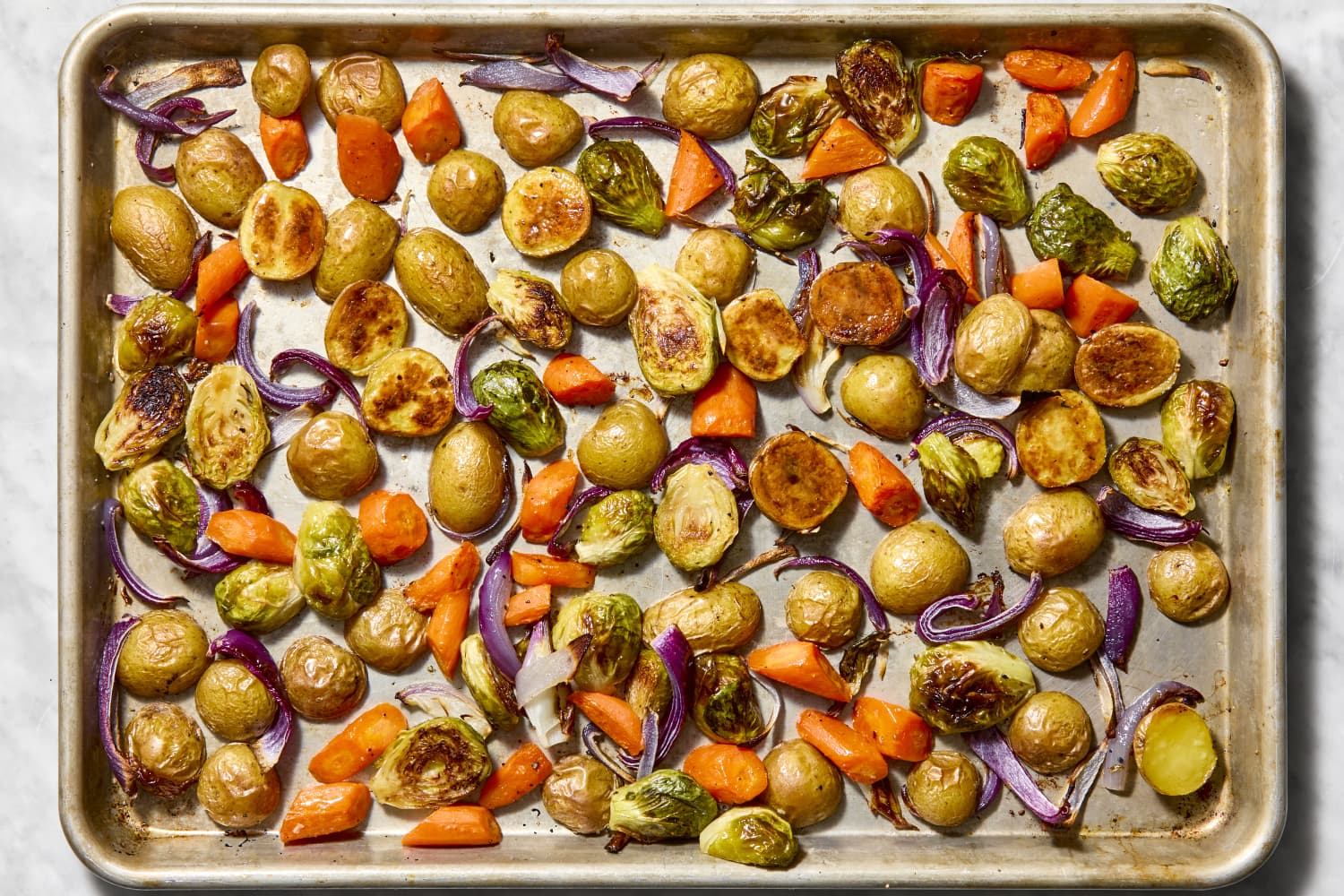
High heat triggers the Maillard reaction and caramelizes natural sugars. That is why roasted vegetables taste sweet, nutty, and savory at once. Dry heat also drives off moisture so edges crisp while centers stay soft.
When you learn how to cook roasted vegetables the right way, you control browning. You get better texture and deeper flavor than boiling or steaming. Studies show that roasting builds more flavor compounds without much effort.
Essential Tools and Ingredients
You do not need fancy gear to learn how to cook roasted vegetables. A few smart picks make a big difference.
Tools
- A large, rimmed sheet pan for even heat and space
- Parchment or a silicone mat for easy cleanup
- An oven thermometer to verify true temperature
- A wide metal spatula for turning
- Optional: a wire rack to boost airflow under food
Ingredients
- Fresh vegetables, dried well after washing
- Oil with a medium to high smoke point, like olive, avocado, or canola
- Kosher salt and black pepper
- Spices, dried herbs, and garlic powder
- Finishers like lemon juice, vinegar, fresh herbs, or grated cheese
For most pans, 1 to 1.5 tablespoons of oil per pound is plenty. That helps when you learn how to cook roasted vegetables that are crisp, not greasy. Salt early so it draws out a bit of moisture and helps browning.
Step-by-Step: How to Cook Roasted Vegetables
Use this simple system to nail how to cook roasted vegetables every time.
- Preheat the oven to 425°F. Hot ovens give better browning.
- Cut vegetables into even pieces. Match dense veg to smaller cuts.
- Pat vegetables dry. Wet veg steam instead of roast.
- Toss with oil, salt, and pepper in a big bowl.
- Spread in a single layer with space between pieces.
- Roast on the middle rack for 10 to 25 minutes, based on type.
- Stir or flip once for even color.
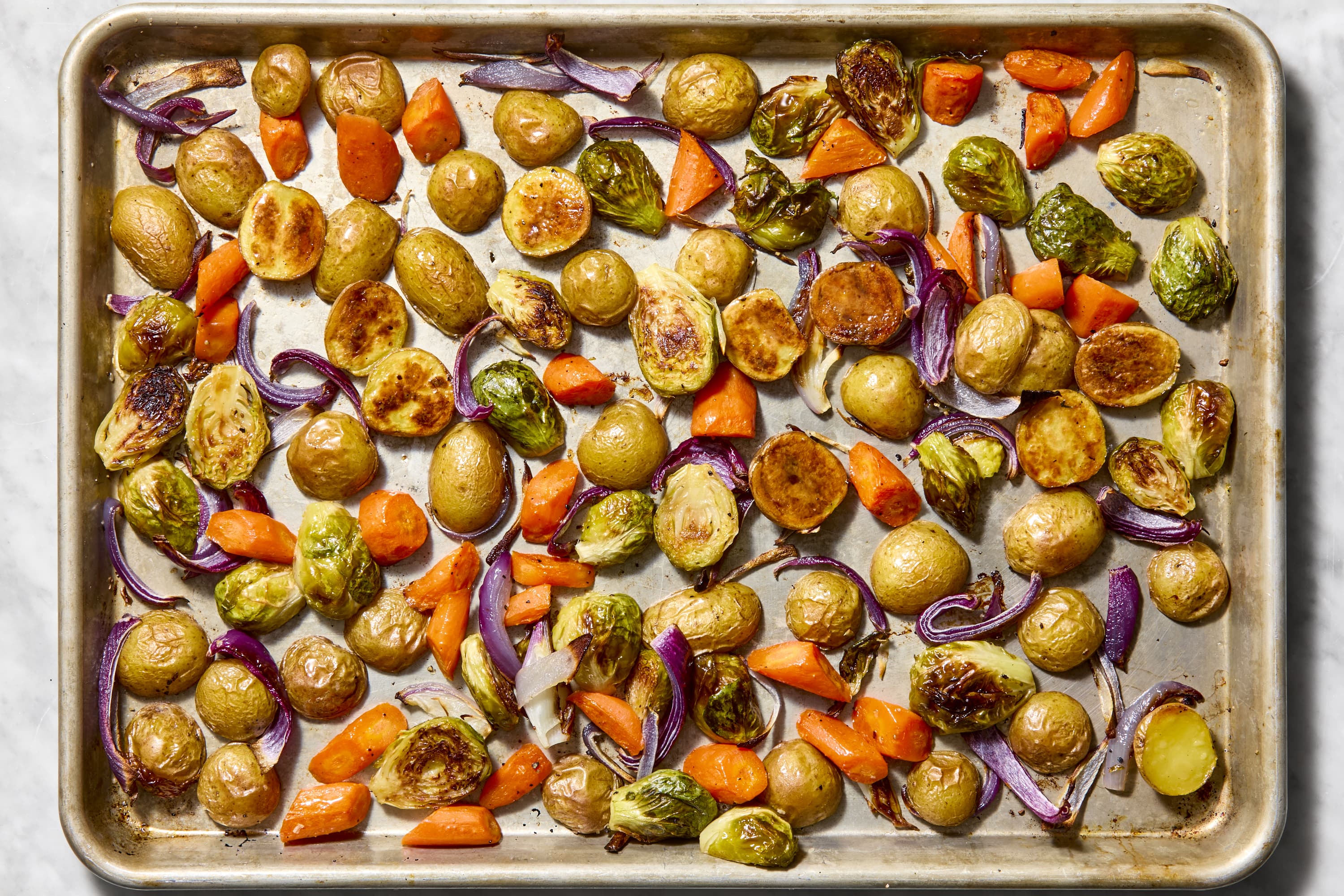
- Roast until edges are deep golden and a fork slides in with ease.
- Finish with acid, fresh herbs, or a sauce.
- Taste and adjust salt before serving.
When you focus on space, heat, and size, you will see how to cook roasted vegetables becomes easy and repeatable. Use your nose and eyes. Brown edges and a toasty aroma tell you they are ready.
Time and Temperature Guide
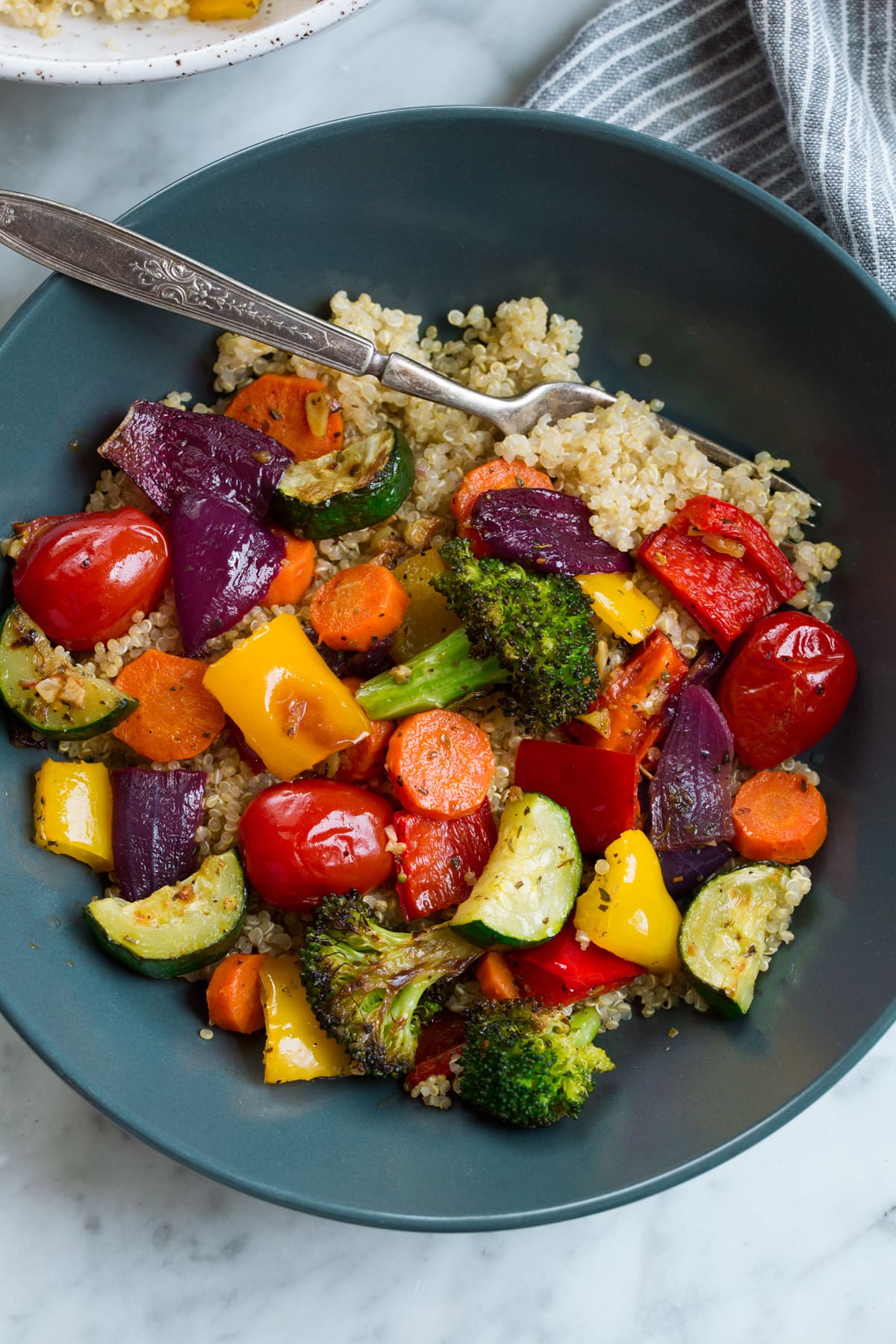
Learning how to cook roasted vegetables means knowing which veg cook fast and which need more time. Times below are for 425°F and bite-size cuts. Check early the first time you try a mix.
Dense roots
- Potatoes, carrots, parsnips, beets: 25 to 35 minutes
Crucifers - Broccoli, cauliflower, Brussels sprouts: 16 to 25 minutes
Alliums
- Onions, shallots: 18 to 25 minutes
- Whole garlic cloves: 15 to 20 minutes
Summer veg
- Zucchini, yellow squash: 12 to 18 minutes
- Bell peppers: 14 to 20 minutes
Others
- Green beans, asparagus: 10 to 15 minutes
- Mushrooms: 14 to 20 minutes
- Cherry tomatoes: 10 to 14 minutes
Use convection if you have it. Drop the temp to 400°F and start checking a few minutes sooner. Keep notes as you learn how to cook roasted vegetables in your oven, since every oven runs a little different.
Seasoning, Marinades, and Flavor Boosts
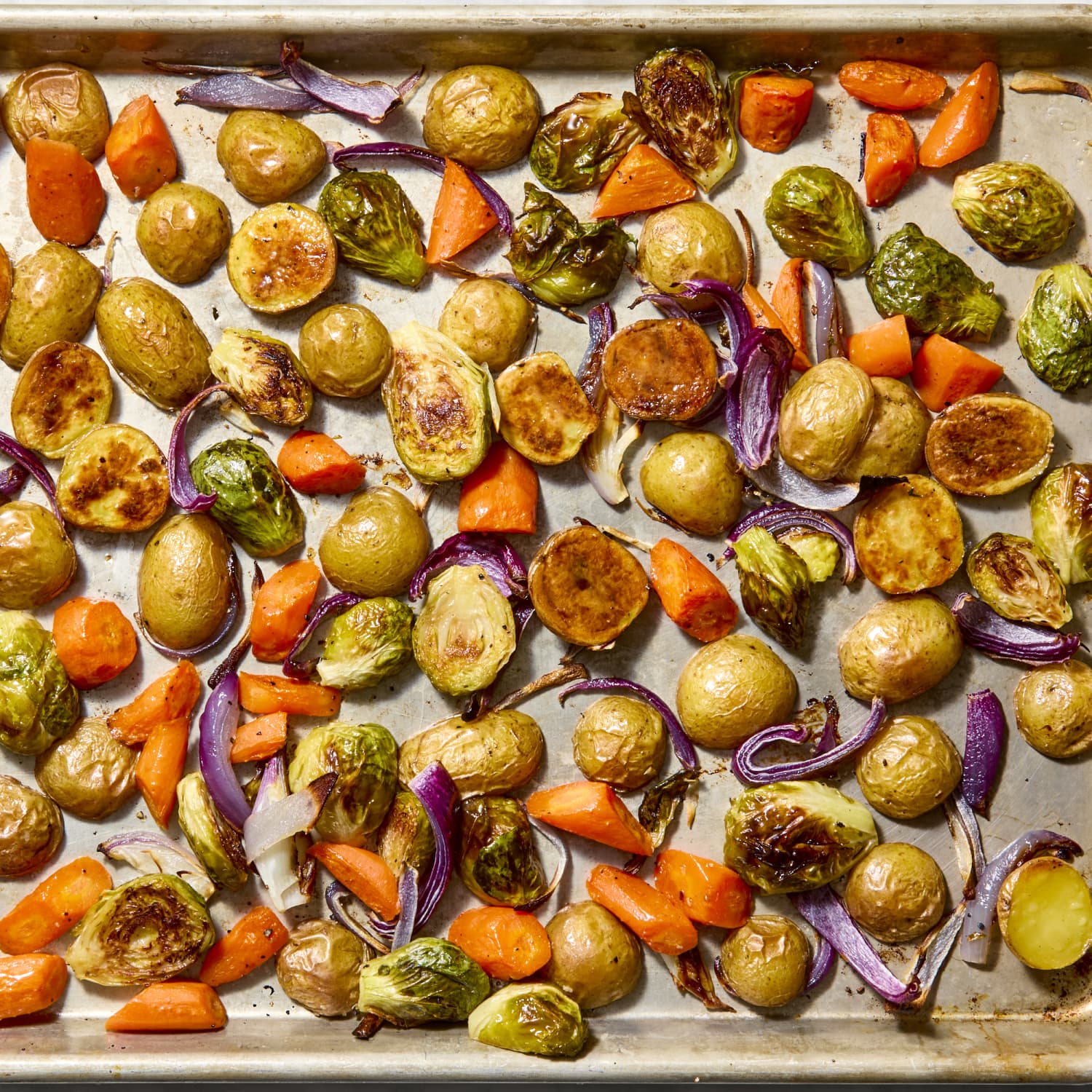
Salt and oil are the base. From there, flavors bloom. When you explore how to cook roasted vegetables, use simple pairings first. Then build.
Great dry spices
- Garlic powder, smoked paprika, cumin, chili powder
- Curry powder, coriander, turmeric, fennel seed
Fresh finishes
- Lemon zest and juice, lime, or a splash of vinegar
- Chopped parsley, dill, basil, cilantro, or mint
Savory boosts
- Grated Parmesan, feta crumbles, toasted nuts or seeds
- A spoon of pesto, tahini sauce, chimichurri, or yogurt sauce
- A drizzle of honey or maple on roots near the end
Easy flavor maps
- Mediterranean: olive oil, oregano, garlic, lemon, feta
- Southwest: chili powder, cumin, lime, cilantro
- Middle Eastern: cumin, coriander, sumac, tahini
- Italian: rosemary, thyme, garlic, balsamic
Season lightly at first. Taste and adjust. That habit is a core skill in how to cook roasted vegetables well.
Common Mistakes and How to Fix Them
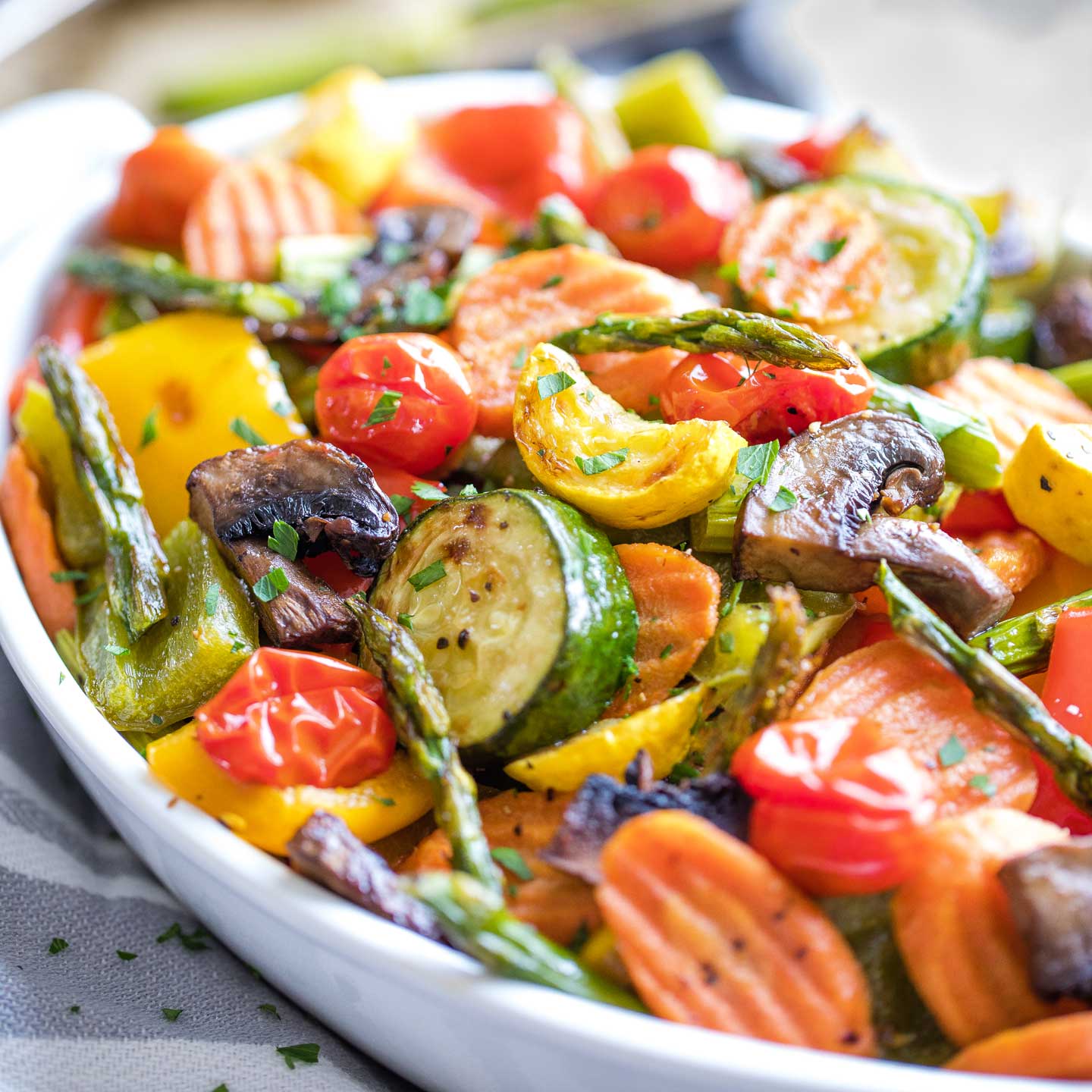
As you learn how to cook roasted vegetables, these fixes save dinner.
Mistakes to avoid
- Crowding the pan: Use two pans so steam can escape.
- Low heat: Aim for 425°F for good browning.
- Wet vegetables: Dry well after washing.
- Too much oil: Use just enough to coat.
- Wrong oil: Pick oil that can handle high heat.
- No flip: Turn once for even color.
- Underseasoning: Salt early and taste at the end.
If browning lags, switch the pan to the top rack for the last few minutes. If edges brown too fast, drop the temp 25°F and finish low and slow.

Make-Ahead, Storage, and Reheating
Meal prep shines when you know how to cook roasted vegetables ahead of time. Cool them fast in a thin layer. Then store.
Storage
- Fridge: 3 to 5 days in an airtight container
- Freezer: Up to 2 months for sturdy veg like carrots or squash
Reheating
- Oven: 425°F for 6 to 10 minutes on a sheet pan
- Skillet: Medium-high heat, a drop of oil, a quick toss
- Air fryer: 375°F for 4 to 7 minutes, shake once
Follow food safety basics. Chill within 2 hours. Reheat to steaming hot.

Serving Ideas and Meal Prep
Once you know how to cook roasted vegetables, you can build meals fast. Mix and match with grains, greens, and protein.
Easy ideas
- Grain bowls with quinoa, tahini, and chickpeas
- Tacos with roasted peppers and onions, plus salsa
- Pasta with roasted broccoli, lemon, and Parmesan
- Big salads with mixed greens, feta, and a bright vinaigrette
- Frittatas or omelets with leftover veg and herbs
- Soup starter: blitz roasted tomatoes and carrots with stock
Protein pairings
- Chicken thighs, salmon, tofu, or beans all work great
Keep sauces on hand. A little pesto or yogurt sauce makes how to cook roasted vegetables feel fresh every time.

Nutrition and Health Perks
Roasting keeps fiber and adds flavor without much fuss. That helps you eat more plants. Small amounts of oil help your body absorb fat-soluble vitamins.
Heat can lower some heat-sensitive vitamins. That is normal. Balance with fresh sides and a squeeze of lemon. When you understand how to cook roasted vegetables, you get taste, texture, and steady nutrition in one pan.
Personal Notes from My Kitchen
In my tests, the biggest win came from space on the pan. The same veggies went from soft to crisp when I split them across two pans. That is when how to cook roasted vegetables clicked for me.
I also learned to finish with acid. Lemon or vinegar wakes up flavor. A small change at the end fixes a flat sheet pan. Keep notes by oven rack, time, and cut size. That habit speeds up how to cook roasted vegetables like a pro.
Frequently Asked Questions of How to Cook Roasted Vegetables
What temperature is best to roast vegetables?
425°F is a great default for deep browning and tender centers. If your oven runs hot, try 400°F and add a few minutes.
How much oil should I use?
Use 1 to 1.5 tablespoons of oil per pound of vegetables. You want a light, even coat without pooling on the pan.
Do I need to peel vegetables before roasting?
Peel only if the skin is tough or waxed. Carrots, potatoes, and squash can roast well with peel if scrubbed clean.
How do I make roasted vegetables extra crispy?
Dry the vegetables well, avoid crowding, and preheat the pan. Flip once and finish with a short blast on the top rack.
Can I roast frozen vegetables?
Yes, do not thaw. Toss with oil and seasonings, spread out well, and add a few extra minutes.
What oil is best for roasting vegetables?
Olive oil is classic and tastes great. Avocado or canola oil also work well at high heat.
Conclusion
You now have a clear, repeatable method for how to cook roasted vegetables with bold flavor and crisp edges. Use high heat, even cuts, enough space, and a bright finish. Keep notes and adjust to your oven, and every pan will improve.
Try one new combo this week and share your results. If this guide helped, subscribe for more easy cooking wins or drop a comment with your favorite veggie mix.