Mix ground meat with binder and aromatics, shape, glaze, and bake.
If you want to learn how to cook meatloaf that is juicy, tender, and full of flavor, you are in the right place. I have tested many loaves in home and pro kitchens. This guide shows you how to cook meatloaf with clear steps, smart tips, and easy fixes. You will learn the why behind each step so your loaf comes out great every time.
What Makes a Great Meatloaf?
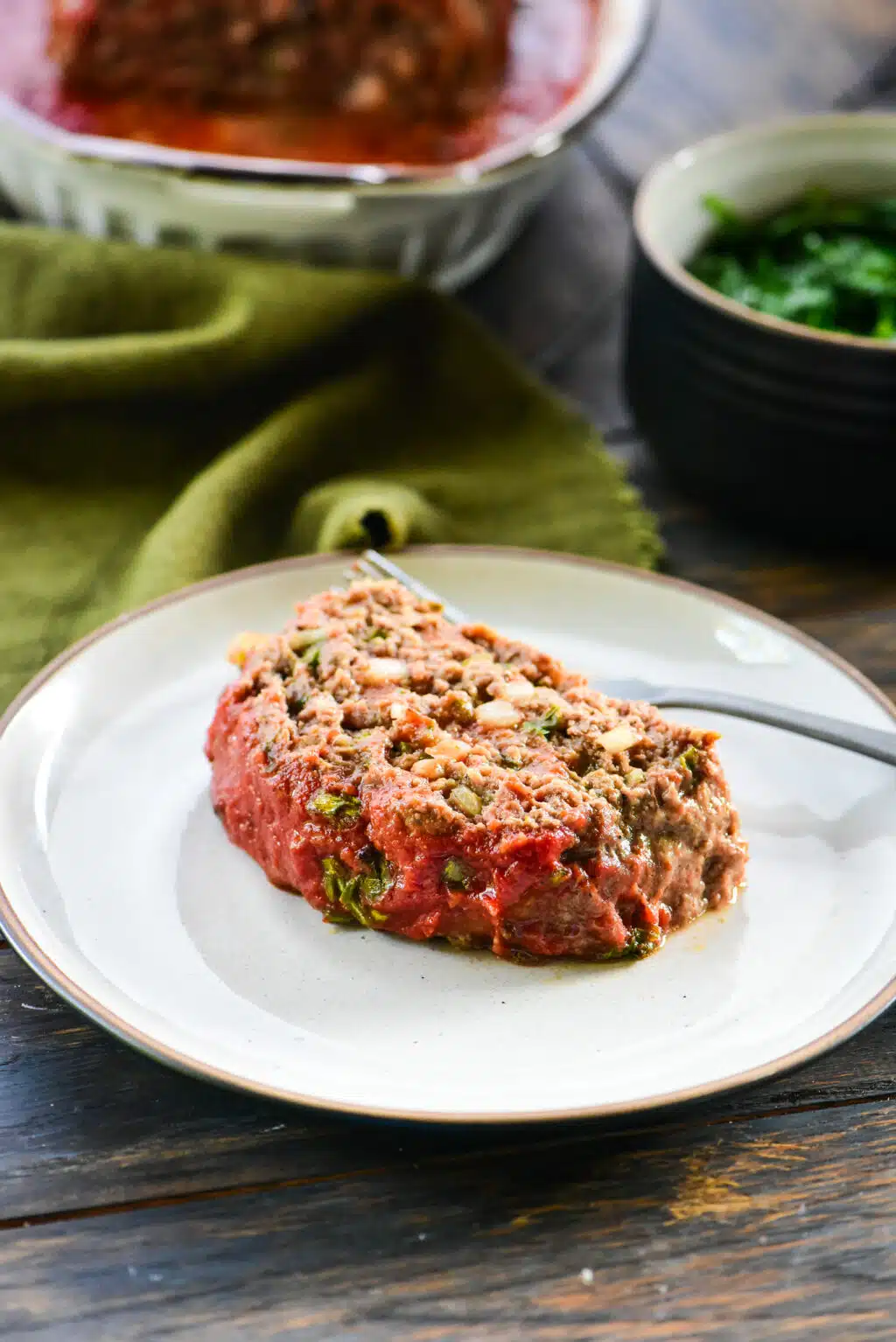
Great meatloaf feels tender but holds a clean slice. It has good beefy depth, a light texture, and a sweet-savory glaze. The secret is balance. You need the right meat blend, smart binders, and even heat.
When people ask how to cook meatloaf well, I start with structure and moisture. A panade adds softness. Eggs add lift and hold. Aromatics add depth. A gentle bake keeps the juices in. Follow these parts and your loaf will sing.
:max_bytes(150000):strip_icc()/16354-easy-meatloaf-DDMFS-0034-5186-hero-4x3-30547610d0f64d2fb3c25c0cab909af6.jpg)
Key Ingredients and Why They Matter
- Ground meat: Use 80/20 ground beef for juicy results. For more flavor, try a mix: beef with pork or veal. Turkey or chicken works too, but add extra fat and moisture.
- Binder: Eggs help it set. Breadcrumbs, panko, oats, or crushed crackers soak up juices. Cooked rice works if you need gluten-free.
- Liquid: Milk, broth, or buttermilk makes a soft, moist crumb. A splash is enough.
- Aromatics: Onion, garlic, celery, and parsley add big flavor. Cook them first so they go sweet, not sharp.
- Umami boosters: Worcestershire, soy sauce, miso, or tomato paste deepen the savor.
- Seasoning: Salt and pepper are key. Add smoked paprika, mustard, or Italian herbs if you like.
- Glaze: Ketchup with brown sugar and vinegar is classic. BBQ sauce, balsamic, or gochujang are bold twists.
- Add-ins: Cheese cubes, sautéed mushrooms, or grated carrot add body and fun pockets of flavor.
Tools and Prep
- Mixing bowls: One for panade and one for meat.
- Sheet pan or loaf pan: I prefer a free-form loaf on a sheet pan for better crust.
- Parchment: Keeps the bottom from getting soggy and makes cleanup easy.
- Instant-read thermometer: The best way to know when it is done.
- Skillet: For sweating onions and garlic.
Tip from my kitchen: Chill the mix for 10 minutes before shaping. It holds better and cracks less.
:max_bytes(150000):strip_icc()/231380-best-turkey-meatloaf-Beauty-3x4-42a2686b2cb749ec8c81f9f3177a8867.jpg)
Step-by-Step: How to Cook Meatloaf in the Oven
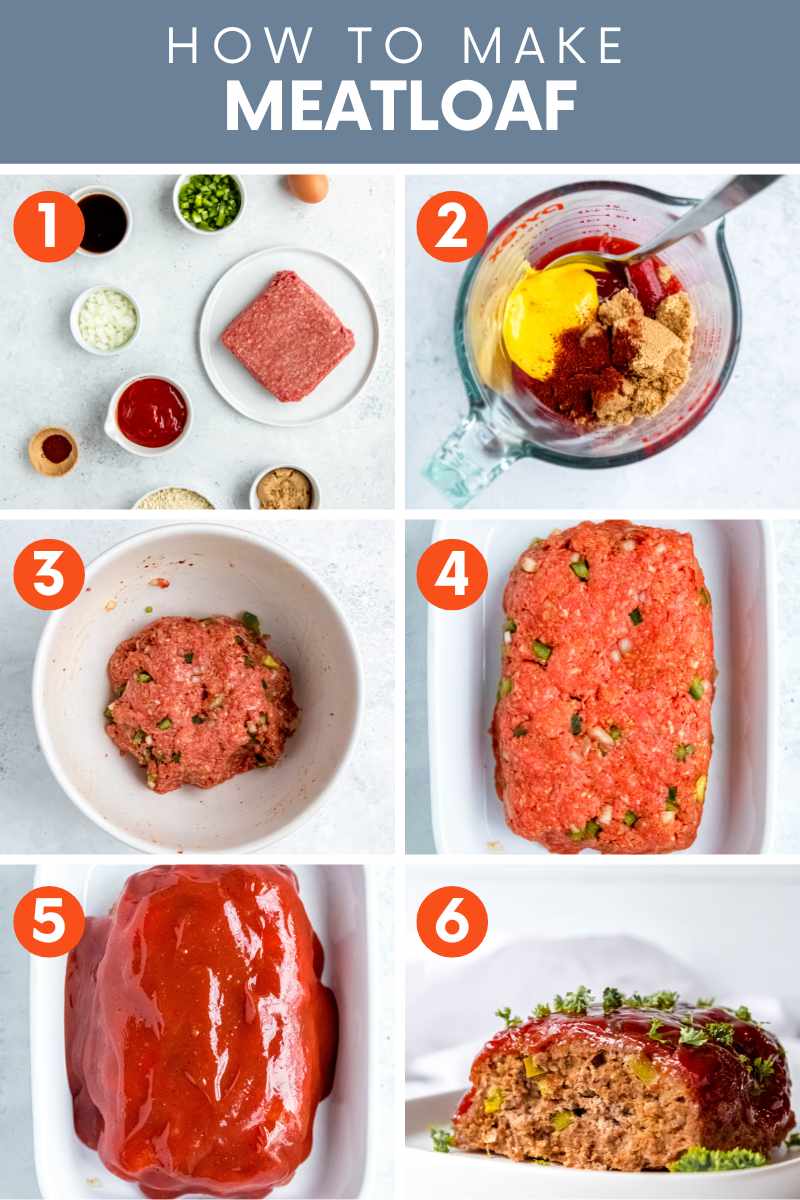
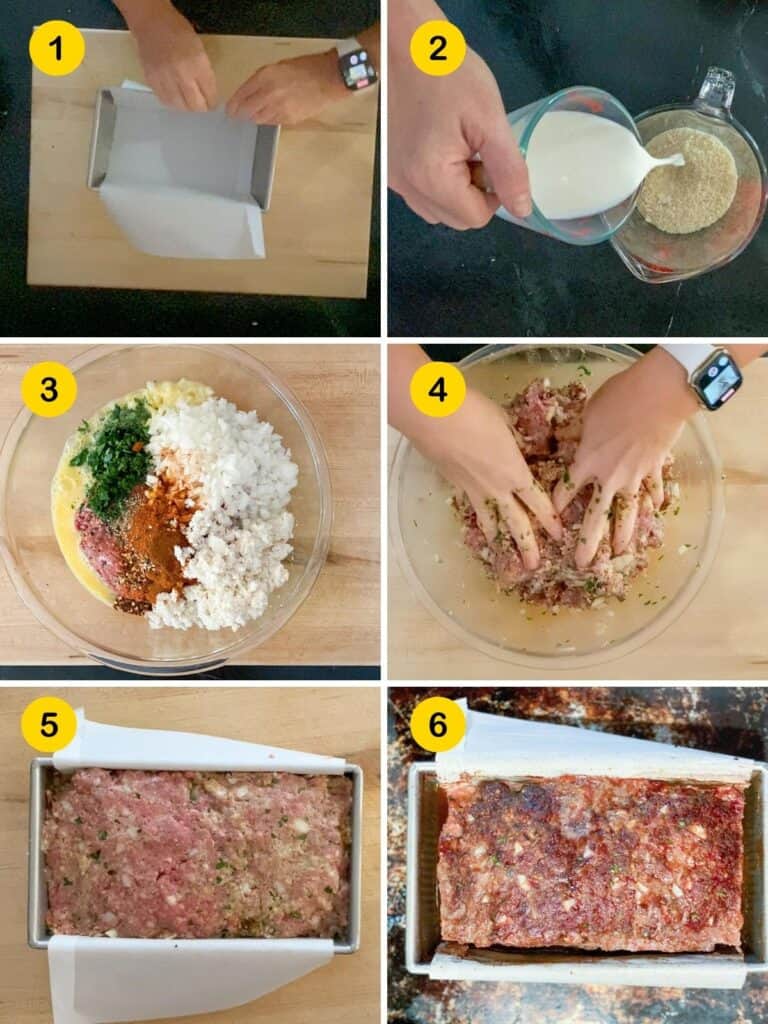
- Heat the oven to 350°F. Line a sheet pan with parchment.
- Make the panade. Stir 1 cup fresh breadcrumbs with 2–3 tablespoons milk or broth. Let it soak.
- Sauté aromatics. Cook 1 small diced onion in a little oil over medium heat until soft and sweet. Add a minced garlic clove. Cool.
- Mix the base. In a bowl, add 2 pounds ground meat, the cooled onions, panade, 2 eggs, 2 tablespoons ketchup, 1 tablespoon Worcestershire, 1 teaspoon salt, and 1 teaspoon pepper.
- Test the seasoning. Fry a teaspoon of the mix in a skillet. Taste and adjust salt or herbs. This small step changed how I cook meatloaf forever.
- Shape the loaf. Set the mix on the pan. Pat into a 9×4-inch loaf. Keep the top smooth. Taper the ends a bit so they do not dry.
- Add glaze. Combine 1/3 cup ketchup, 1 tablespoon brown sugar, and 1 teaspoon apple cider vinegar. Brush on top.
- Bake. Place the pan on the middle rack.
- Check at 45 minutes. Brush on more glaze if you like.
- Take the temp. For beef or pork, pull at 160°F. For turkey or chicken, pull at 165°F. Use the center of the loaf.
- Rest for 10–15 minutes. The juices settle and slices stay neat.
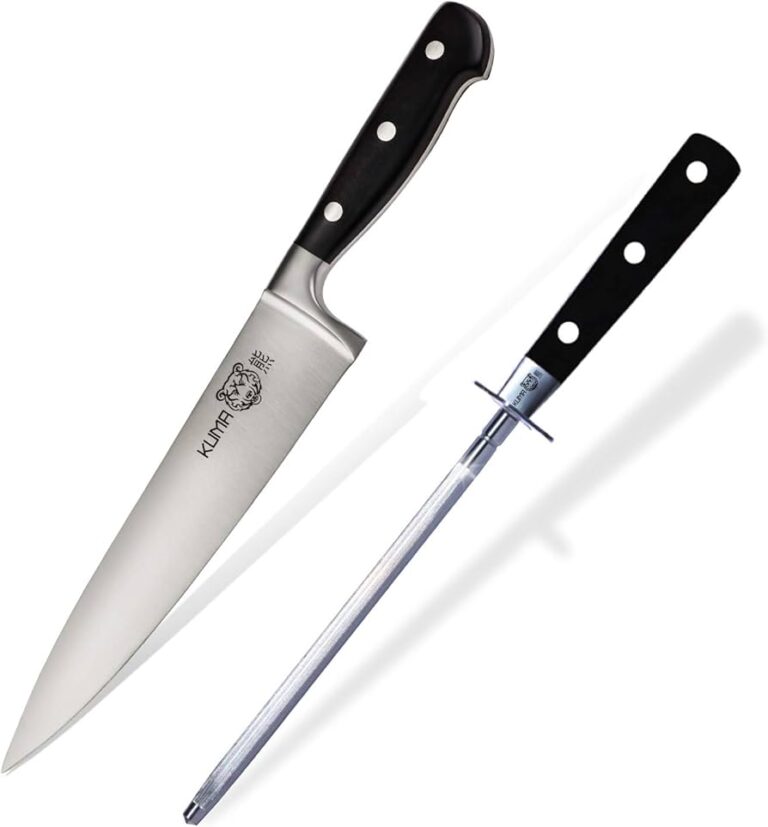
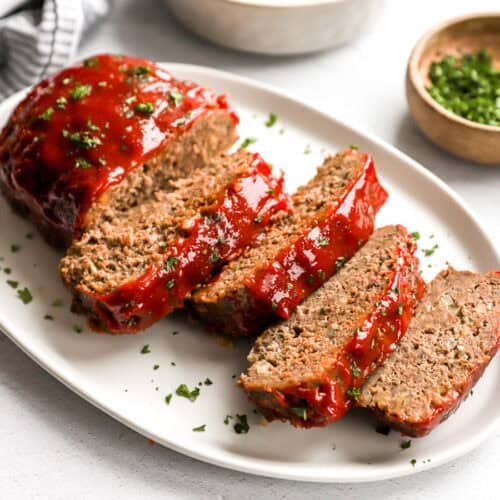
- Slice and serve. Use a sharp knife. Wipe the blade between cuts.
This is the most reliable way for how to cook meatloaf so it stays moist and slices clean. Once you master this, try new glazes and fillings.
Time, Temperature, and Doneness
The oven matters less than the internal temp. I follow food safety rules from trusted guidelines when I teach how to cook meatloaf.
- For beef or pork loaves: Cook to 160°F.
- For poultry loaves: Cook to 165°F.
- Rest: 10–15 minutes before slicing.
Cook time by size at 350°F:
- 1 pound loaf: 45–55 minutes.
- 1.5 pounds: 55–70 minutes.
- 2 pounds: 60–80 minutes.
More tips:
- Convection runs hotter. If using it, drop to 325°F and start checking 10 minutes sooner.
- A shallow, free-form loaf cooks faster and browns better than a tight loaf pan.
- If the glaze browns too fast, tent with foil near the end.

Glaze Options and Flavor Variations
Glaze ideas:
- Classic: Ketchup, brown sugar, and apple cider vinegar.
- Smoky BBQ: BBQ sauce with a dash of liquid smoke.
- Tangy balsamic: Tomato paste, balsamic, and honey.
- Spicy umami: Gochujang, ketchup, and soy sauce.
- Savory mushroom gravy: Skip glaze and serve with warm gravy.
Flavor ideas:
- Bacon-wrapped: Lay bacon over the loaf for extra smoke and fat.
- Cheese-stuffed: Press cheddar or mozzarella in the center before shaping.
- Mediterranean: Add chopped olives, sun-dried tomatoes, and oregano.
- Herb and lemon turkey: Use turkey, parsley, thyme, lemon zest, and extra olive oil.
- Low-carb: Swap breadcrumbs for almond flour or grated Parmesan.
These twists keep how to cook meatloaf fresh and fun all year.
Common Mistakes and Fixes
I learned many of these the hard way while teaching new cooks how to cook meatloaf.
- Dry loaf: Use 80/20 meat, do not pack the mix tight, and add a panade. Pull at temp and rest.
- Mushy texture: Too much liquid or too many crumbs. Keep the panade damp, not soupy.
- Cracks on top: Smooth the surface, do not overmix, and rest the mix before shaping.
- Bland flavor: Season enough salt per pound of meat. Layer umami with tomato paste and Worcestershire.
- Greasy bottom: Bake free-form on a rack set over a pan, or drain fat halfway.
- Burnt glaze: Brush halfway through and near the end. Tent with foil if it darkens fast.
- Soggy onions: Always sauté onions first. Raw onions bleed water and make gaps in the slice.
One early batch I made had a gorgeous glaze but tasted flat. A simple teaspoon of mustard and a quick test patty fixed it. Small tweaks pay off.

Make-Ahead, Freezing, and Reheating
Make-ahead:
- Shape the raw loaf, wrap tight, and chill up to 24 hours. Glaze just before baking.
Freeze raw:
- Wrap the shaped loaf in plastic, then foil. Freeze up to 3 months. Thaw in the fridge 24 hours before baking. Add 10–15 minutes to bake time.
Freeze cooked:
- Cool, slice, and wrap portions. Freeze up to 3 months. This is my go-to for busy weeks.
Reheat:
- Oven: Cover slices and heat at 300°F until 165°F in the center.
- Skillet: Warm slices in a little butter for crisp edges.
- Microwave: Cover and heat in short bursts so it stays moist.
Safe storage:
- Fridge: 3–4 days for cooked meatloaf in a sealed container.
These steps keep how to cook meatloaf simple even on weeknights.
Food Safety and Nutrition Notes
Food safety:
- Keep raw meat cold and separate from ready-to-eat foods.
- Wash hands, boards, and tools after handling raw meat.
- Use an instant-read thermometer. Aim for 160°F for beef or pork. Aim for 165°F for poultry. These temps align with trusted safety guidance.
Nutrition tips:
- Trim sodium by using low-sodium ketchup or soy sauce.
- Add fiber with oats, grated carrot, or mushrooms.
- For gluten-free: Use GF oats or crushed GF crackers.
- For egg-free: Use a flax egg (1 tablespoon ground flax with 3 tablespoons water) per egg.
Be open about your needs. When I coach beginners on how to cook meatloaf, I match the binder and glaze to their diet first. Flavor follows fast.
Serving Ideas and Sides
Classic sides:
- Creamy mashed potatoes and green beans.
- Roasted carrots or broccoli with lemon.
- Simple salad with a bright vinaigrette.
Leftover ideas:
- Meatloaf sandwich with toasted bread and pickles.
- Crumble into a quick marinara for pasta.
- Dice and fold into fried rice with peas.
When friends ask how to cook meatloaf for a crowd, I suggest two smaller loaves. You get more crust and faster cook times. Plus, you can glaze one sweet and one smoky.
Frequently Asked Questions of How to Cook Meatloaf
What meat ratio is best for a juicy loaf?
An 80/20 beef blend gives the best balance of flavor and moisture. For extra richness, use a mix of beef and pork in equal parts.
Should I cover meatloaf while it bakes?
No, bake it uncovered for a nice crust and glaze set. If the top browns too fast, tent with foil for the last 15 minutes.
How can I keep my meatloaf from falling apart?
Use eggs and a proper panade, and do not overmix. Let it rest 10–15 minutes before slicing so it sets.
How long does a 2-pound meatloaf take at 350°F?
Plan on 60–80 minutes. Always confirm doneness with an instant-read thermometer in the center.
Can I make meatloaf without breadcrumbs?
Yes. Use oats, crushed gluten-free crackers, cooked rice, or almond flour. Keep the mix damp but not wet.
What is the best pan for baking meatloaf?
A free-form loaf on a sheet pan browns best and cooks evenly. A loaf pan works, but drain fat to avoid a soggy bottom.
Conclusion
Now you know how to cook meatloaf with confidence. Use the right meat, mix a soft panade, season well, and cook to temp. Rest, slice, and enjoy the reward of your work. You can keep it classic or try bold glazes and fillings.
Fire up the oven this week and make a loaf you are proud of. If you found this guide helpful, share it, subscribe for more kitchen-tested tips, or drop a comment with your favorite twist.