Use vertical space, optimize cabinets and drawers, declutter, and add smart organizers.
If you want to know how to maximize kitchen storage space, you’re in the right place. I’ve spent years helping people turn cramped, cluttered rooms into smooth, efficient kitchens. This guide breaks down small, smart moves that stack up to big wins. You’ll see practical examples, tools I trust, and mistakes to avoid, all focused on how to maximize kitchen storage space.

Understand your space and set goals
Before you buy a single organizer, take stock. When you ask how to maximize kitchen storage space, start with clarity. Measure cabinets, drawers, shelves, and wall spans. Note what you reach for daily, weekly, and rarely.
Try a fast audit:
- Empty one cabinet at a time and group like with like.
- List duplicates, broken tools, and items you never use.
- Map daily zones near the stove, sink, prep area, and coffee station.
Set simple goals:
- Cut duplicates by half.
- Move daily tools to eye or waist level.
- Reserve high or low spots for rarely used items.
Personal note: In my small city kitchen, I freed an entire base cabinet by moving baking sheets to a vertical rack and stashing seasonal gear in a labeled bin up high. That single change made prep feel calm.

Core principles of space-savvy kitchens
These rules guide every choice and explain how to maximize kitchen storage space without a remodel.
The three big ideas:
- Store by frequency. Daily items live front and center. Rare items go up high or down low.
- Use vertical volume. Think in layers: shelf risers, dividers, and hooks.
- Contain and label. Bins and turntables stop drift, so everything stays findable.
Add two habits:
- One in, one out for gadgets and mugs.
- Reset surfaces each night in two minutes.
Tip from the field: Clients who do a weekly five-minute tidy keep gains for years. It is small, but it matters.
Cabinet strategies that double capacity
If you are asking how to maximize kitchen storage space, start inside cabinets. Static shelves waste air. Add layers and order.
What to install:
- Shelf risers for plates and bowls so you can stack without teetering piles.
- Pull-out trays so back corners become useful, not lost.
- Vertical dividers for sheet pans, cutting boards, and trays.
- Door-mounted racks for wraps, lids, and spices.
- Lazy Susans in corners to stop dead space.
Pro move: Standard upper shelves are often 12 inches deep. A simple riser turns one shelf into two functional levels. In a client’s L-shaped kitchen, two risers and one corner turntable netted space for 24 more plates.
Safety note: Use sturdy anchors for door racks. Check hinge load limits before adding weight.
Drawer optimization that stops the junk drawer effect
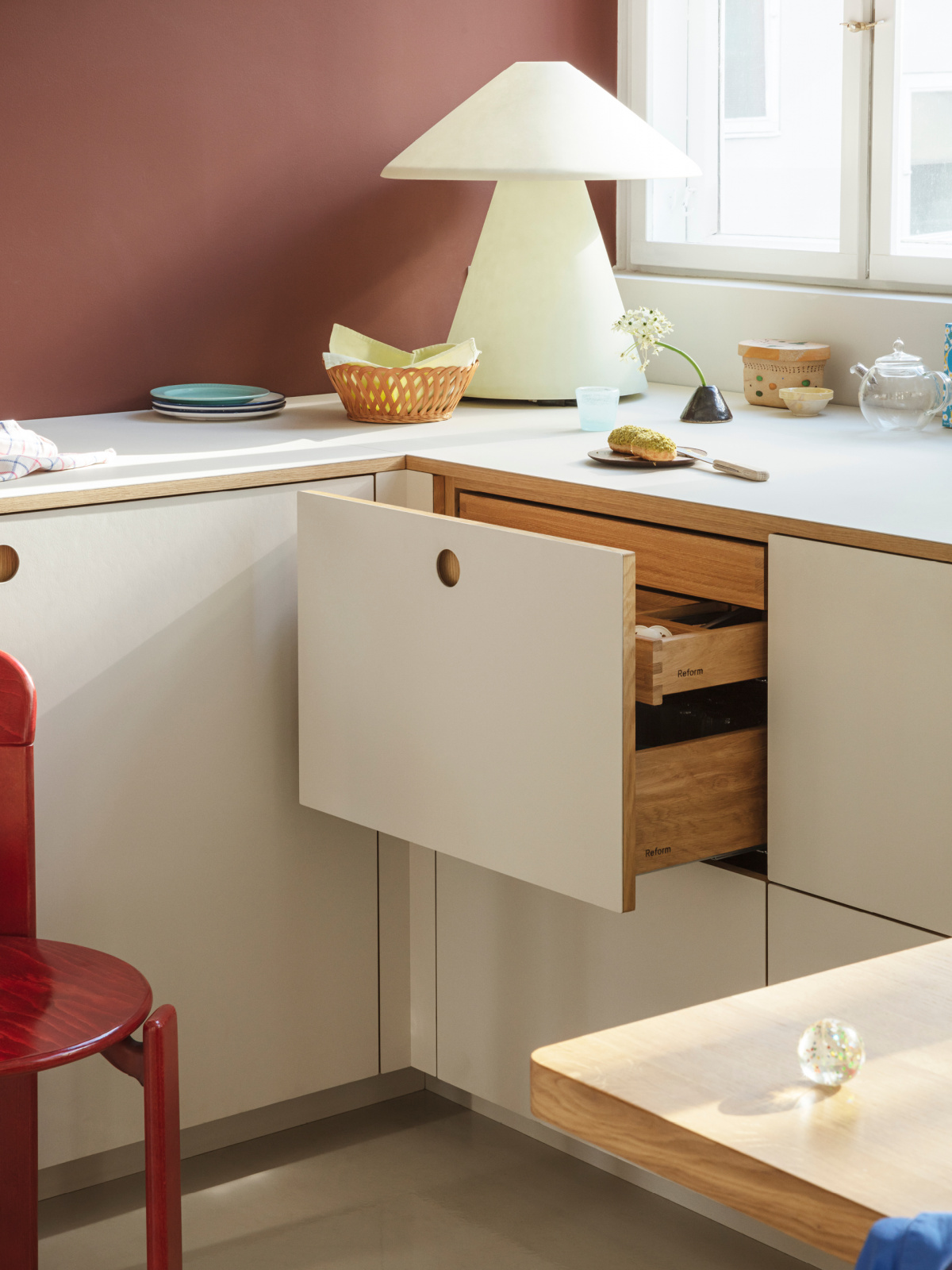
Drawers can feel bottomless. To learn how to maximize kitchen storage space in drawers, add structure.
Simple system:
- Use adjustable dividers to size lanes for tools and utensils.
- Group by task: prep tools, baking tools, grill tools, bar tools.
- Stand containers upright with tension dividers so nothing slides.
For deep drawers:
- File-fold kitchen towels so you see each one.
- Store pots and lids vertically with a lid rack.
- Use short bins to hold snacks or coffee pods in neat rows.
My mistake to avoid: I once used slippery acrylic trays without drawer liners. Everything slid. A five-dollar liner fixed it in minutes.
Use vertical space: walls, doors, and ceilings
You may have more wall storage than you think. This is a prime way to solve how to maximize kitchen storage space without adding cabinets.
Great add-ons:
- Magnetic knife strip to free a whole drawer.
- Rail with S-hooks for ladles, mitts, or small pans.
- Pegboard for flexible, custom layouts.
- Over-the-door racks on pantry or utility doors.
Ceiling options:
- A low-profile pot rack over an island or in a utility nook.
- Hooks under upper cabinets for mugs or measuring cups.
Access tip: Keep sharp tools away from kid zones. Mount strips above adult eye level if needed.
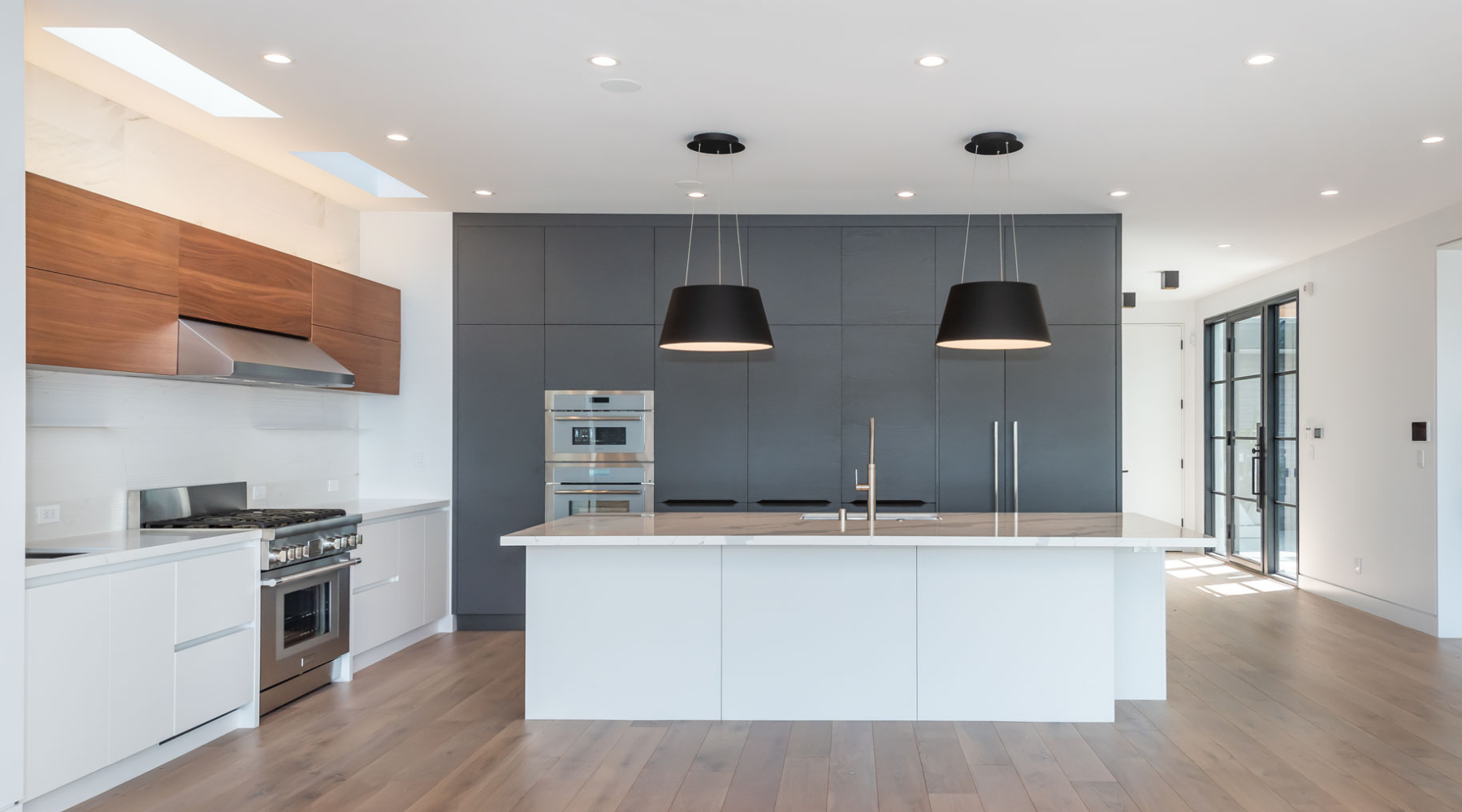
Countertops and small appliances: clear, store, repeat
Clear counters make a small kitchen feel big. It also shows you how to maximize kitchen storage space that you already have.
Action plan:
- Pick three daily-use items to live on the counter. Put the rest away.
- Use an appliance garage or a deep cabinet with a pull-out tray.
- Store attachments in labeled bags with the tool they belong to.
What to keep out:
- Coffee maker if used daily.
- Toaster if used daily.
- Knife block or strip, salt, and oil near the stove.
Test it: Box up a seldom-used appliance for 30 days. If you do not miss it, donate it.
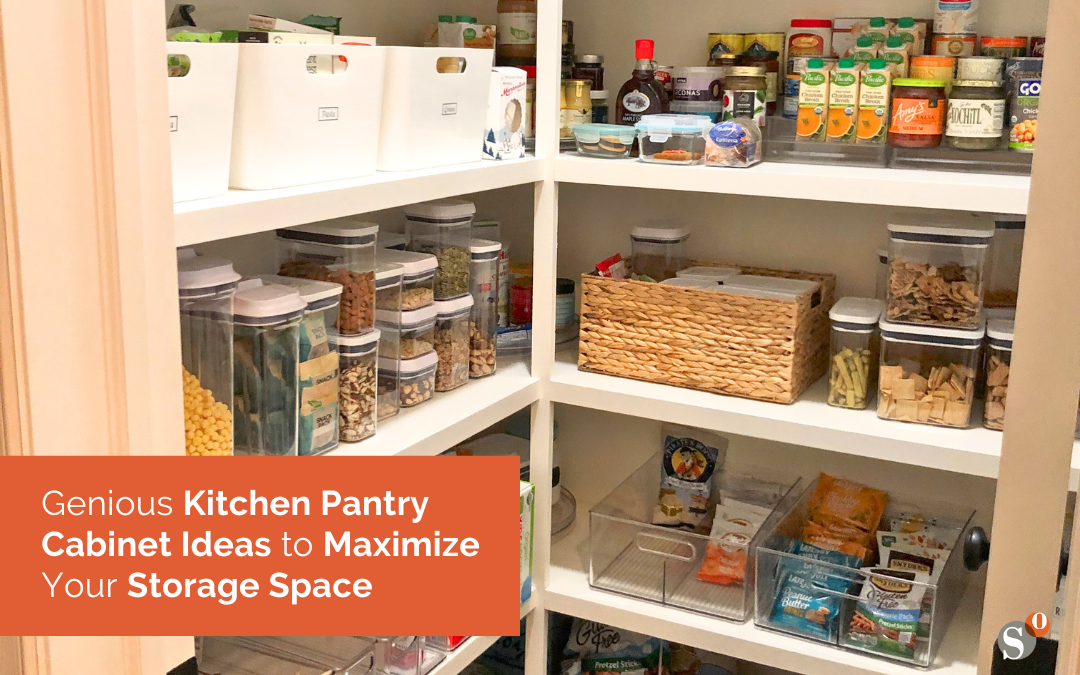
Pantry systems for any size kitchen
A good pantry is a map. To master how to maximize kitchen storage space there, make food easy to see and rotate.
Core setup:
- Use clear bins to group snacks, baking, breakfast, pasta, and canned goods.
- Add tiered risers for cans and spices so labels face forward.
- Decant bulk dry goods into square containers to reduce wasted air.
Label for speed:
- Use large, simple labels on the front and top.
- Add dates on the bottom with a marker.
Data-backed tip: Households cut food waste when items are visible and grouped. Clear zones also speed grocery checks.
Small kitchen tricks for renters and budgets
You can still learn how to maximize kitchen storage space without drills or big spend.
Low-cost ideas:
- Tension rods inside cabinets to file baking sheets.
- Stackable wire shelves to add levels fast.
- Adhesive hooks for mitts, strainers, and measuring cups.
- Rolling cart as a mobile pantry or coffee bar.
Rent-safe options:
- Command-style strips for light racks and caddies.
- Freestanding shelves that tuck into dead corners.
My go-to: A slim 4-tier cart slides between the fridge and wall. It holds oil, vinegar, and foil. Zero tools needed.
Maintenance, decluttering, and daily habits
Systems fail without upkeep. The honest truth about how to maximize kitchen storage space is that habits lock it in.
Tiny routines that work:
- Five-minute nightly reset of counters and sink.
- Weekly shelf check to return strays to their zones.
- Monthly purge of duplicates and expired goods.
Declutter rules:
- Keep one of each tool size unless you bake or cook in bulk.
- Upgrade multi-use tools that replace three gadgets at once.
Motivation tip: Take a quick photo before and after each mini-zone. Progress keeps you going.
Accessibility, safety, and household needs
Space is not only about volume. It is also about reach and safety. This matters when planning how to maximize kitchen storage space for families, kids, and elders.
Plan by user:
- Place heavy pots at waist height to protect backs.
- Use soft-close slides and D-shaped pulls for easier grip.
- Keep cleaners locked and low, or high and out of reach.
For kids:
- Create a snack bin they can access.
- Store plastic plates and cups in a low drawer.
For mobility:
- Use pull-down shelf inserts in uppers.
- Keep the microwave at counter height, not overhead.
Common mistakes and how to fix them
Avoid these traps when learning how to maximize kitchen storage space.
What to skip:
- Overbuying containers before measuring. Fix by sizing bins to your shelves.
- Ignoring door backs. Add shallow racks or hooks.
- Keeping single-use gadgets. Replace with multi-task tools.
- Stacking without risers. Add tiers so you can see and grab.
Field story: A client kept three dull santoku knives. We sharpened one, donated two, and gained a whole divider slot.
Quick room-by-room checklist
Use this fast pass to practice how to maximize kitchen storage space today.
Counters:
- Keep only daily tools out. Store the rest.
Drawers:
- Add dividers. Group by task.
Uppers:
- Install risers. File plates and mugs by set.
Lowers:
- Use pull-outs. Place heavy items at waist height.
Pantry:
- Bin by category. Label big and bold.
Walls and doors:
- Add hooks, strips, or rails.
Appliances:
- Store attachments together. Test what you can donate.
Frequently Asked Questions of how to maximize kitchen storage space
What is the first step to maximize kitchen storage?
Start with a quick audit and declutter. Measure spaces, group similar items, and set clear zones.
How do I store pots and lids efficiently?
Use a deep drawer with a lid rack or vertical dividers. Keep the heaviest pots at waist height.
Can small kitchens fit a pantry system?
Yes. Use clear bins, tiered risers, and a slim rolling cart. Group foods by category for fast access.
Are pull-out shelves worth it?
Yes. They turn hard-to-reach areas into easy storage and reduce bending and searching.
How can renters add storage without drilling?
Use adhesive hooks, tension rods, stackable shelves, and freestanding carts. They install fast and leave no marks.
Conclusion
You now have a clear plan to make every inch work for you. From risers and rails to smart bins and small habits, the steps above show how to maximize kitchen storage space without stress or a remodel. Start with one cabinet today, win a quick victory, and build momentum week by week.
Ready to see the change? Pick one tip, try it tonight, and share your results or questions in the comments. If you found this useful, subscribe for more practical, research-backed home guides.