Boil salted water, add fresh noodles, cook 1–3 minutes, taste, drain.
I have spent years testing doughs, rolling by hand, and dialing in water and time. This guide shows How to Cook Homemade Noodles with simple steps, clear science, and real kitchen wisdom. If you want springy strands, clean flavor, and consistent results, stay with me. You will learn what to use, what to avoid, and how to make every bowl shine.
Why Homemade Noodles Are Worth It
Fresh noodles cook fast. They taste clean and tender. The texture is alive. You control thickness, bite, and flavor. When you learn How to Cook Homemade Noodles, you also learn to cook with your senses. That skill spills into every dish you make.
From my first batch, I noticed two wins. The chew was better. The sauce clung better. Since then, I have taught friends, teens, and new cooks. They all say the same thing: fresh noodles feel like a small miracle you can repeat.
For busy nights, fresh dough saves time. For weekends, it turns into a fun project. And it uses simple pantry items.
Ingredients and Tools You Need
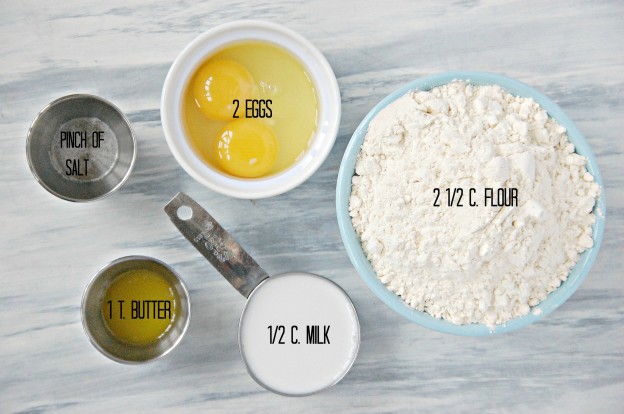
Here is a short list to start strong. You can adjust as you learn.
- Flour: Use all-purpose for soft chew. Use bread flour for more bite. Use semolina for a golden, firm bite.
- Eggs or water: Eggs add color and richness. Water keeps it light and neutral.
- Salt: Adds flavor to dough and water. Helps gluten tighten.
- Optional alkaline: A pinch of baking soda for springy Asian-style chew.
- Tools: Mixing bowl, scale or cups, fork, bench scraper, rolling pin, sharp knife, large pot, colander, tongs.
Stock these, and How to Cook Homemade Noodles becomes easy and repeatable.

Dough Basics and Ratios
Great cooking starts before the boil. Noodle dough sets the path.
- Egg noodles: Use 1 large egg per 100 grams flour. Add a splash of water only if dry.
- Water noodles: Start with 55 to 60 percent hydration. That means 55 to 60 grams water per 100 grams flour.
- Salt in dough: A small pinch makes dough stronger and adds base flavor.
The flour protein affects chew. Higher protein gives more snap. Lower protein stays tender. I use a blend of all-purpose and a little semolina for balance. That mix gives me a steady, springy bite when I cook the noodles.
Step-by-Step: Make the Dough
Use this simple method. It is tidy and fast.
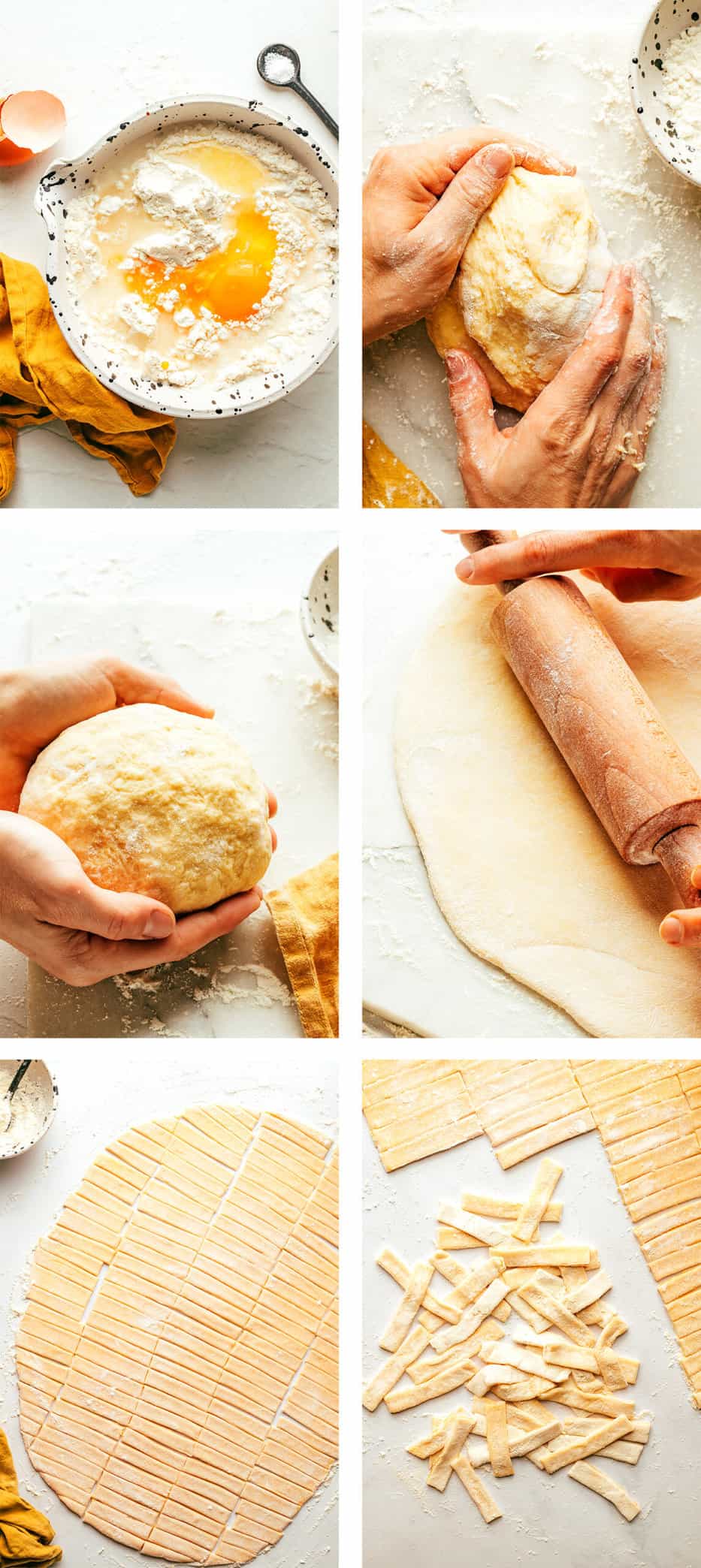
- Measure flour into a bowl. Make a small well in the center.
- Add eggs or water and a pinch of salt to the well.
- Stir with a fork until shaggy.
- Knead by hand for 8 to 10 minutes. The dough should feel smooth, not sticky.
- Wrap and rest 20 to 30 minutes at room temp. This relaxes gluten and makes rolling easy.
Rest time is not a suggestion. It is the secret. When I skip the rest, the dough fights back. When I rest it, the dough rolls thin in minutes. This sets you up to nail How to Cook Homemade Noodles later.
Roll, Cut, and Shape Noodles
You can hand roll or use a machine. I use both, based on mood.
- Dust your board lightly. Too much flour dries the sheet.
- Roll from the center out. Turn the sheet often. Keep it even.
- For thin noodles, aim for paper-thin. For rustic, leave it a bit thicker.
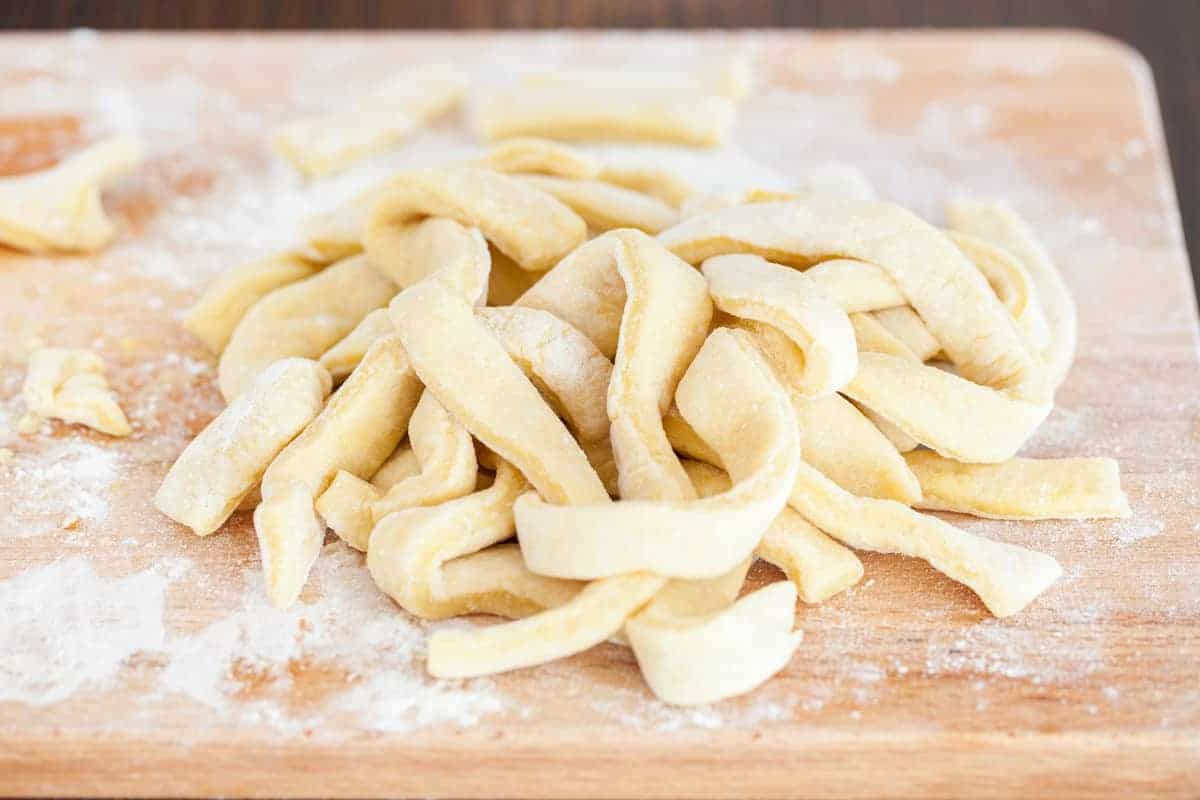
- Dust, fold the sheet like a letter, then slice to the width you like.
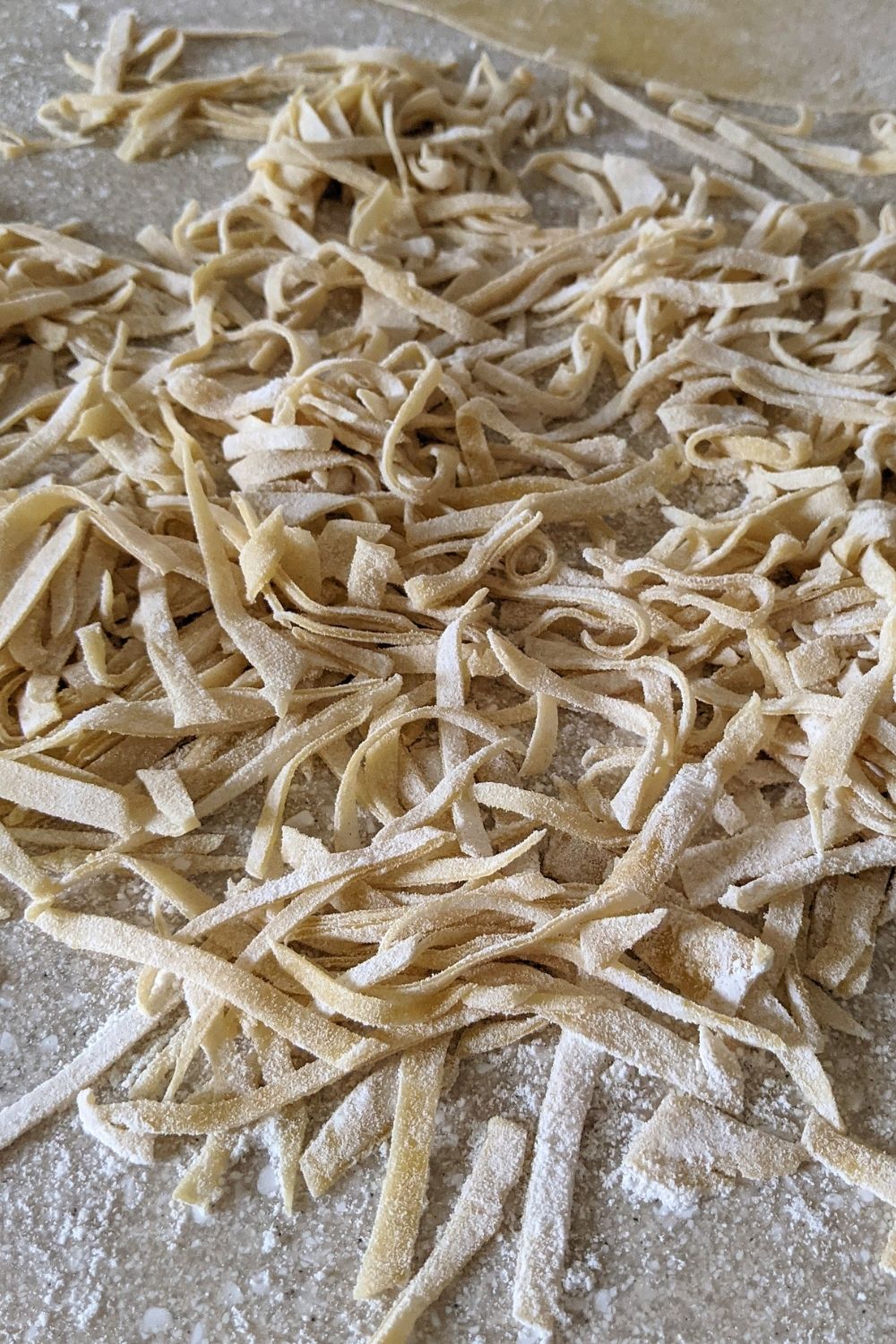
- Shake strands to loosen. Dust off extra flour.
Common widths:
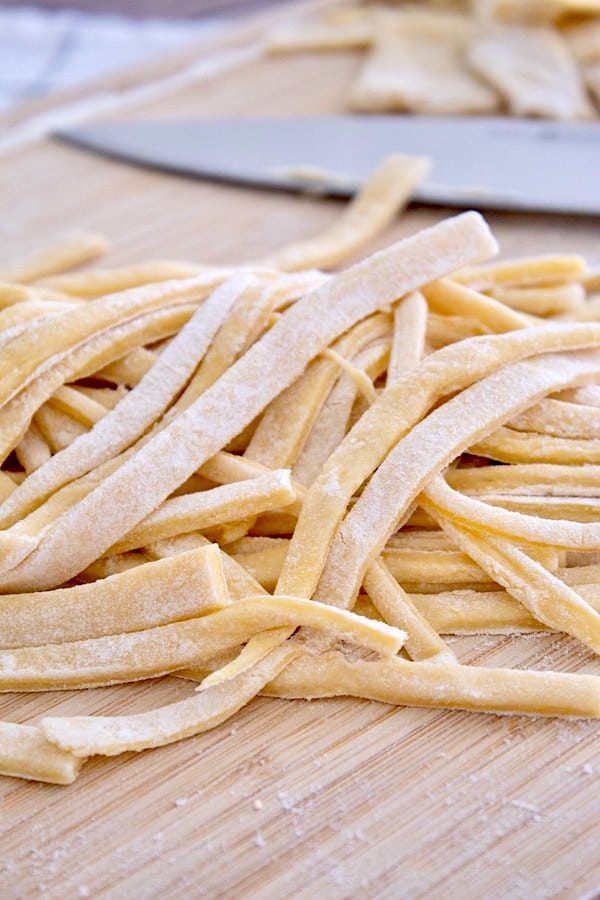
- Tagliatelle: About 6 to 8 millimeters.
- Fettuccine: About 6 millimeters.
- Asian-style knife-cut: Vary width for fun chew.
Uniform thickness helps even cooking. It also makes timing simple.

How to Cook Homemade Noodles
This is where timing, heat, and salt meet. The goal is tender with a little bite. Here is How to Cook Homemade Noodles step by step.
- Bring a large pot of water to a rolling boil. Use at least 2 quarts per 8 ounces noodles.
- Salt for Italian-style: Add 1 tablespoon kosher salt per 2 quarts water.
- Plain water for broth bowls: If serving in salty broth, do not salt the water.
- Shake off excess flour from noodles. This prevents gummy water.
- Drop noodles. Stir right away to avoid clumps.
- Cook fresh noodles 1 to 3 minutes. Taste early. Thin strands cook in about 60 to 90 seconds. Thicker cuts take up to 3 minutes.
- Keep a cup of cooking water if using sauce. The starch helps sauce cling.
- Drain or lift with tongs. Do not rinse unless stir-frying or chilling for later.
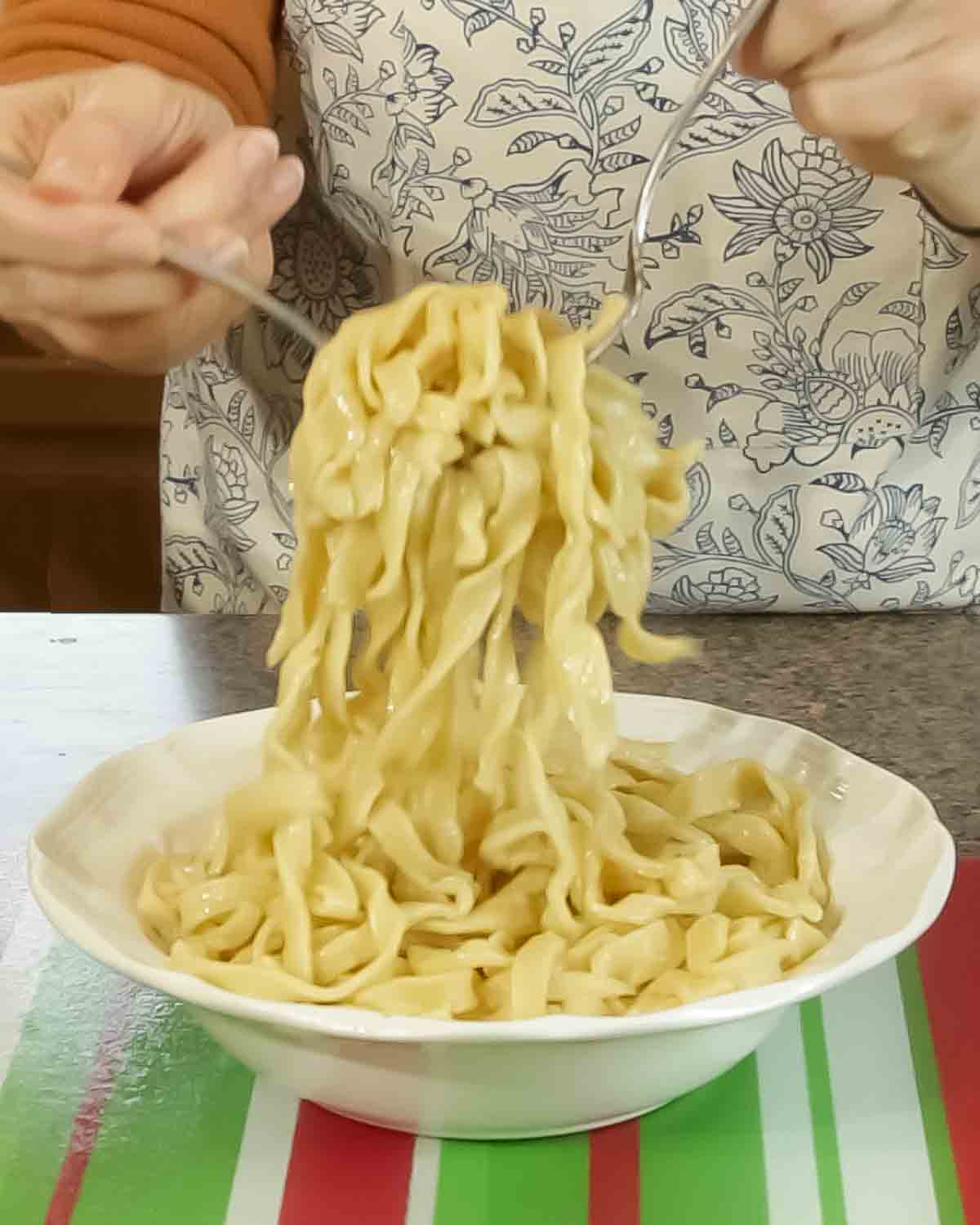
I teach a simple test. Bend a strand. It should flex and not snap. Bite it. The center should be cooked, with a tiny chew. That is your window. When you master How to Cook Homemade Noodles, that window becomes second nature.
Flavor Boosters: Broths, Sauces, and Add-Ins
Good noodles deserve a partner. Keep it simple. Let texture shine.
- Butter and parm: Toss with butter, a splash of noodle water, and cheese.
- Olive oil and garlic: Warm oil, add sliced garlic, swirl noodles in.
- Sesame and soy: Mix soy, sesame oil, a pinch of sugar, and scallions.
- Light broth: Ladle hot chicken or mushroom broth over fresh noodles.
- Add-ins: Chili crisp, lemon zest, pepper, or fresh herbs.
Sauce should coat, not drown. If it globs, thin it with spoonfuls of hot noodle water.
Variations and Dietary Swaps
Many paths lead to a great bowl. Here are options I use.
- Whole wheat: Earthy taste and more fiber. Add a splash more water.
- Gluten-free blends: Use a 1:1 baking blend with xanthan gum. Knead gently.
- Alkaline noodles: Toast a small amount of baking soda in the oven. Add a pinch to water dough for springy chew.
- Spinach or beet: Blend cooked purée into the dough for color and nutrients.
Each version changes cook time by a bit. Always taste early. This helps you refine How to Cook Homemade Noodles with each style.
Storage, Freezing, and Meal Prep
Fresh noodles can be ready when you are.
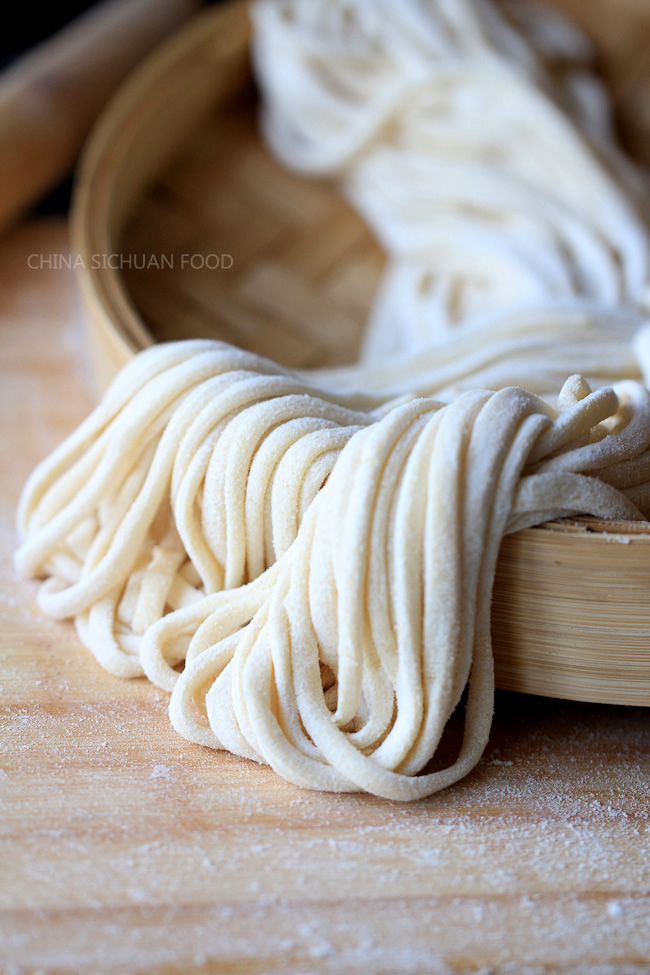
- Short rest: Dust, coil into nests, and chill up to 24 hours.
- Freeze: Place floured nests on a tray. Freeze, then bag. Cook from frozen. Add about 30 to 60 seconds.
- Cooked leftovers: Toss with a little oil to prevent sticking. Chill fast. Reheat in hot sauce or broth.
Label dates and thickness. Notes help you repeat wins and fix misses.
Troubleshooting and Pro Tips
Years of batches taught me these simple fixes.
- Noodles stick: Use more water volume, stir right after you drop them, and dust less.
- Gummy texture: Water was not boiling hard, or you overcooked. Use a big pot and strong boil.
- Weak flavor: Salt the water for sauce dishes. Or season sauce more.
- Breaks or cracks: Dough was too dry or under-kneaded. Add a few drops of water and knead longer.
- Clumps after draining: Sauce the noodles right away. Hot noodles drink sauce.
Pro tips I swear by:
- Taste early and often. Your mouth is the best timer.
- Save noodle water. It is liquid gold for sauce.
- Warm bowls. Hot noodles in cold bowls lose heat and texture fast.
- Keep records. Jot flour type, thickness, and time. That is how to master How to Cook Homemade Noodles.
Nutrition and Food Safety Notes
You can make lighter bowls with smart choices.
- For lighter meals: Use olive oil, lean protein, and lots of veggies.
- For more protein: Use egg dough or pair with beans, chicken, or tofu.
- Food safety: Keep hot foods hot and cold foods cold. Chill leftovers within 2 hours. Reheat to steaming.
These steps follow standard kitchen safety rules and basic culinary science. They protect flavor and health while you learn How to Cook Homemade Noodles with confidence.
Frequently Asked Questions of How to Cook Homemade Noodles
How much salt should I add to the cooking water?
For Italian-style serving, use 1 tablespoon kosher salt per 2 quarts of water. If serving the noodles in a salty broth, skip the salt.
Do I need to rinse fresh noodles after cooking?
Do not rinse for sauced dishes. Rinse only if you plan to stir-fry later or chill for salads.
Can I cook noodles straight from frozen?
Yes, cook from frozen and stir right away. Add about 30 to 60 seconds to the normal time.
How do I stop noodles from sticking in the pot?
Use a large pot with a hard boil and plenty of water. Stir as soon as the noodles go in and again after 30 seconds.
What is the best thickness for fresh noodles?
It depends on the dish. Thin strands are great for light sauces and broths, while wider cuts suit rich or chunky sauces.
Conclusion
Fresh noodles cook fast, taste better, and change how you cook. You learned how to mix dough, roll evenly, and master the boil. You also saw simple sauces, smart storage, and easy fixes. Put it all together, and How to Cook Homemade Noodles turns into a reliable, joyful habit.
Make a batch this week. Take notes on time and texture. Share a bowl with someone you love, and tell me how it went.