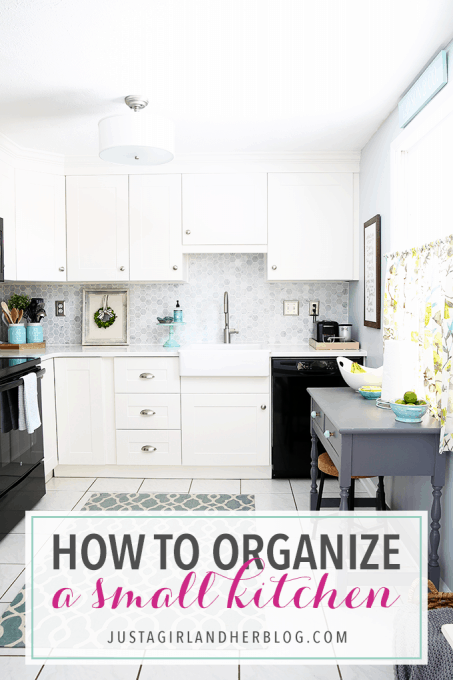
Most kitchen base cabinets are 24 inches deep; countertops extend to about 25–25.5 inches.
If you have ever wondered how deep are kitchen base cabinets, you are in the right place. I design kitchens for real homes, and I have measured hundreds of runs and islands. Below, I break down the standards, the exceptions, and the smart planning moves you can copy for a smooth build or remodel.

How deep are kitchen base cabinets? The standard and how to measure
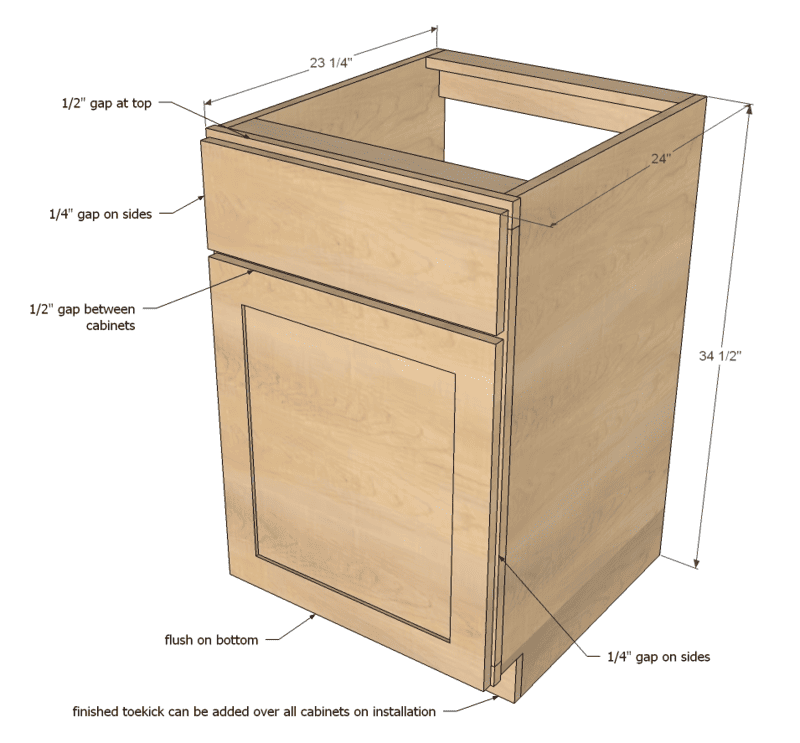
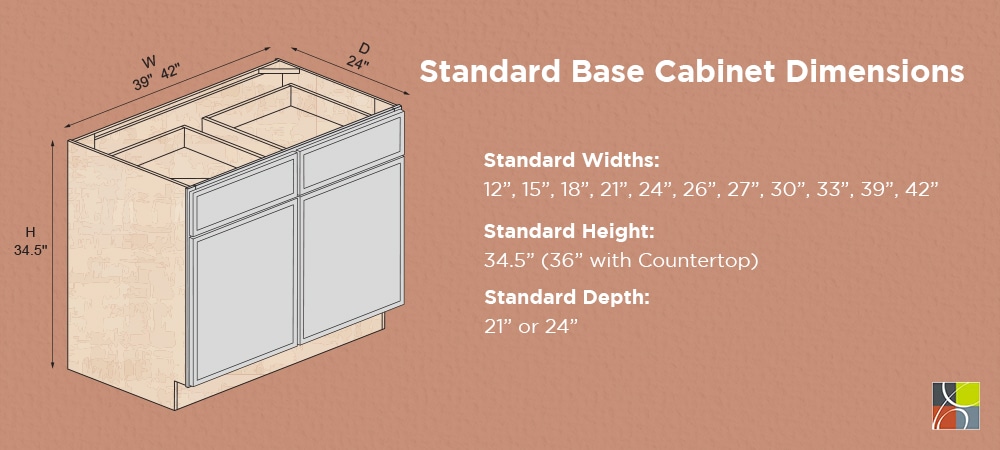
The most common box depth for base cabinets is 24 inches. This is measured from the front of the face frame (or front edge on frameless) to the cabinet back. Doors and drawer fronts are not included in that 24-inch spec.
Countertops add a small overhang. Most tops finish at 25 to 25.5 inches deep. That extra inch gives you finger space for pulls and protects the doors. When people ask how deep are kitchen base cabinets, they often mean the full work surface. So think 24 inches for the cabinet and about 25 inches for the top.
For European frameless lines, you may see a 23.75-inch case. That is normal. It still pairs with a standard 25-inch countertop. In my installs, this tiny change has never caused an issue with appliances or layout.
Key points:
- Cabinet box depth: 24 inches standard.
- Countertop depth: 25 to 25.5 inches with overhang.
- Measurement excludes door thickness and handles.
Common variations and when to use them
Many brands offer reduced-depth base cabinets. You will see 12, 15, 18, and 21 inches. These are helpful for tight halls, galley kitchens, or island back runs. If you ask how deep are kitchen base cabinets in small spaces, these reduced options are your friend.
Deeper bases also exist. A 27- or 30-inch-deep base cabinet is common on islands for extra storage. Another trick is a back-to-back island. You place a 24-inch base on the cook side and a 12- or 15-inch cabinet on the stool side. That yields a 36 to 39-inch-deep island cabinet core.
Use cases I recommend:
- 12–18 inches: island backs, shallow pantries, walkway pinch points.
- 21 inches: better storage than shallow but still saves space.
- 27–30 inches: islands with big drawers or for large platters and small appliances.
:max_bytes(150000):strip_icc()/guide-to-common-kitchen-cabinet-sizes-1822029-base-6d525c9a7eac49728640e040d1f90fd1.png)
How depth impacts storage, ergonomics, and daily use
Depth changes how you reach and store. Deeper is not always better. If you wonder how deep are kitchen base cabinets for ideal reach, think about the back 4–6 inches. That space is hard to access with doors and shelves.
What works well:
- Full-extension drawers. They pull everything forward, even in a 24-inch-deep case.
- Roll-out trays behind doors. They fix the “lost in the back” problem.
- Vertical tray dividers. Great for cutting boards and sheet pans in any depth.
From experience, I choose drawers for pots and pans 90% of the time. They beat doors. My clients stop losing lids in the shadows, and bending is rare. If you must keep doors, add pull-outs on soft-close guides.
Plan depth around appliances, plumbing, and countertops
Depth must match your appliances. This is where many DIYers slip. If you ask how deep are kitchen base cabinets for dishwashers, ranges, and fridges, here is the quick rundown.
Appliance fit tips:
- Dishwashers: Most are 24 inches deep. A 24-inch cabinet run with a 25-inch top aligns the fronts nicely.
- Slide-in or front-control ranges: Bodies sit near the 24-inch line. The cooktop overlaps the counter. Handles may project 1–2 inches.
- Wall ovens and microwave drawers: Follow the cut sheet. Many fit standard 24-inch bases with a proper trim kit.
- Fridges: “Counter-depth” fridges still project past the counter. Plan a deeper cabinet or a side panel and recess to reduce the look.
Countertops and overhangs:
- Standard overhang at doors is 1–1.5 inches.
- Seating overhangs need 12 inches for comfort. That means you often build out the island or add supports.
Plumbing and sinks:
- A standard sink base is still a 24-inch-deep cabinet. Check sink bowl front-to-back size.
- For apron sinks, confirm clearances and the cabinet model. This avoids cutting into the face frame.

Clearances, codes, and measuring the right way
Clearances matter as much as cabinet depth. If you are checking how deep are kitchen base cabinets for safe traffic, step back and look at aisles. Most pros target 42 inches for a work aisle. Go 48 inches if two people cook often. You can work with 36 inches in a tight space, but it feels close.
Measuring tips I use on every job:
- Check walls for plumb and bow. A hump can steal depth.
- Account for backsplash thickness and outlets.
- Measure to finished wall, not to studs, after drywall is up.
Ergonomics and accessibility:
- Standard toe kick depth is about 3 inches. Height is about 4 inches. This helps you stand close to the counter.
- For accessible designs, reduce counter height as needed and leave knee space at the sink or prep area. You can still use 24-inch-deep cabinets nearby with pull-outs and drawers for reach.
PAA-style quick answers:
Do countertops stick out past cabinets?
Yes. Most tops extend 1 to 1.5 inches past base doors and drawers. This protects the fronts and makes pulls easier to grab.
Can I put a 30-inch-deep base by a range?
Yes, on an island or special run. Confirm appliance specs and ventilation. Support the deeper countertop.
Will 21-inch-deep bases feel too small?
Not with drawers. You lose some volume, but full-extension drawers keep access strong.
Real-world lessons, mistakes to avoid, and pro tips
From dozens of remodels, I see the same pitfalls. If you keep asking how deep are kitchen base cabinets because of a tight aisle, test with painter’s tape. Mark a 24-inch base and a 25-inch countertop line on the floor. Then walk the space. It reveals issues fast.
Mistakes to avoid:
- Ignoring appliance spec sheets. Handles and doors can add surprise depth.
- Forgetting door swing. Two doors hitting each other will bug you daily.
- Skipping pull-outs in deep shelves. The back becomes dead space.
Pro tips I swear by:
- Choose drawers for pots, pans, and dishes. Keep doors for sinks and tray dividers.
- Use deeper cabinets on islands when you need storage more than floor area.
- Blend depths. For example, 24 inches on the cook wall and 21 inches on a tight fridge wall.
One more field note: On older homes with wavy walls, I leave 0.5–1 inch of scribe space behind tall panels. It keeps lines clean when the wall is not straight.
Frequently Asked Questions of how deep are kitchen base cabinets
How deep are kitchen base cabinets with countertops?
Most base boxes are 24 inches deep, and countertops finish at 25 to 25.5 inches. That small overhang is standard and helps with use.
How deep are kitchen base cabinets for islands?
Most islands use 24-inch-deep bases, but 27–30 inches are common for more storage. You can also do back-to-back cabinets for even more depth.
How deep are kitchen base cabinets in small kitchens?
You can use reduced depths like 12, 15, 18, or 21 inches to save space. Pair these with drawers to keep access easy.
How deep are kitchen base cabinets for dishwashers?
Dishwashers are usually 24 inches deep, which matches a standard base. A 25-inch countertop lines up the fronts and looks clean.
How deep are kitchen base cabinets in European designs?
Many frameless European cabinets are about 23.75 inches deep. They still work with the same 25-inch countertop depth.
How deep are kitchen base cabinets if I want bar seating?
For seating, you need a 12-inch overhang on the counter. Plan deeper cabinets or supports to carry that load.
How deep are kitchen base cabinets when using pull-out trash?
Use a standard 24-inch-deep base for most twin-bin pull-outs. Confirm the bin height and your sink plumbing to avoid conflicts.
Conclusion
You can now answer the big question: how deep are kitchen base cabinets. Standard bases are 24 inches deep, and tops run about 25 inches. From there, choose reduced or deeper options to fit your space, storage, and style.
Test your layout with tape, confirm appliance specs, and lean on drawers for reach. These steps cut stress and boost daily comfort. Ready to plan your best layout yet? Share your kitchen size and goals in the comments, or subscribe for more smart, builder-tested tips.